

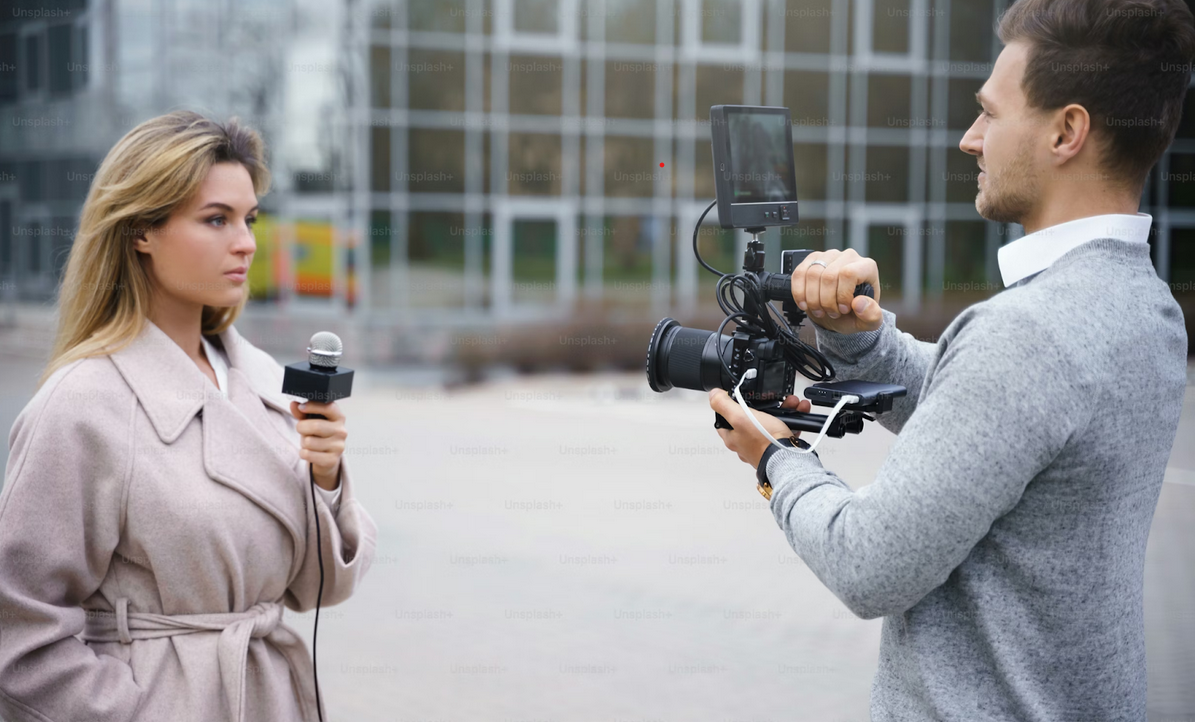
Every journalist knows the frustration: you’ve just wrapped up a compelling video interview, but before you can write a single word, you’re facing hours of tedious transcription work. A one-hour interview can take 4-6 hours to transcribe manually, turning what should be quick turnaround stories into day-long projects. For independent journalists and smaller newsrooms working on tight budgets and tighter deadlines, this bottleneck can be the difference between breaking a story and missing it entirely.
Artificial intelligence is fundamentally changing this equation. AI-powered transcription tools are transforming video interviews into publishable text in minutes rather than hours, making professional-grade content production accessible to journalists regardless of their resources or location.
The Traditional Pain Points
The old workflow for processing video interviews has remained largely unchanged for decades. After recording, journalists face a grinding process: rewinding, pausing, typing, repeating. Professional transcription services offer an alternative, but at $1-3 per minute of audio, costs quickly become prohibitive for freelancers and small outlets.
Beyond transcription itself, journalists struggle with quote extraction—combing through pages of text to find the perfect soundbite. Creating subtitles for social media clips adds another layer of work. These tasks consume time that could be spent on actual reporting and storytelling.
For journalists in emerging markets, these challenges hit even harder. Limited budgets mean doing everything yourself, and slow internet connections make uploading large video files to transcription services frustrating or impossible. The result? Important stories go untold or lose their timeliness simply because the logistics are too cumbersome.

How AI Transforms the Workflow
Automated Transcription That Actually Works
Modern AI transcription tools have crossed a critical threshold: they’re accurate enough to trust. The best systems now achieve 95%+ accuracy rates, even handling different accents, technical terminology, and multiple speakers. Upload an MP4 file, and within minutes you have a complete transcript ready for editing.
The speed difference is dramatic. That one-hour interview that would take you all afternoon? An AI tool processes it in 5-10 minutes. You can conduct a morning interview and have the story published by lunch—a timeline that was simply impossible with manual transcription.
Multi-language support means journalists can now easily work with interviews conducted in languages they don’t speak fluently, opening up cross-cultural storytelling opportunities that were previously accessible only to large organizations with translation budgets.
Smart Content Features
But AI does more than just transcribe. Advanced tools can automatically identify and highlight key quotes, saving journalists from reading through entire transcripts hunting for the perfect pull quote. Some systems even tag different speakers, making it easy to attribute quotes correctly—a critical feature for maintaining journalistic accuracy.
Subtitle generation happens automatically in multiple formats (SRT, VTT, plain text), ready to drop into social media videos or publish as standalone content. For journalists trying to maximize reach across platforms, this alone saves hours of work each week.
The format flexibility matters too. Need a clean transcript for your article? A timestamped version for fact-checking? Subtitles for your Instagram Reel? Modern AI tools generate all of these from a single upload.
Real-World Application: MP4 to Text Tools
Tools like SoundWise.ai‘s which is a free MP4 to text converter exemplify this new generation of journalism technology. Simply upload your video file—whether it’s a formal sit-down interview, a field recording from a smartphone, or B-roll with voiceover—and receive a formatted transcript optimized for editorial use.
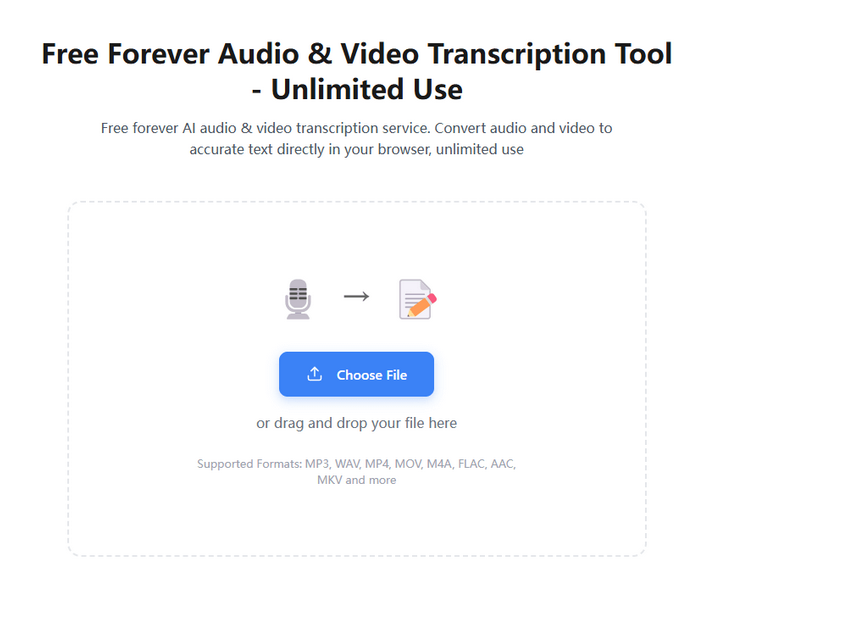

The cost comparison is striking. Traditional transcription services charge $60-180 for a one-hour interview. AI-powered solutions typically cost a fraction of that, often with unlimited or subscription-based pricing that makes budgeting predictable. For freelancers and small newsrooms, this shifts video storytelling from a luxury to standard practice.
Integration with existing workflows is seamless. Most tools export in standard formats that drop easily into your content management system, Google Docs, or preferred writing environment. No specialized training required—if you can upload a file, you can use these tools.
Global Impact
This technology is genuinely democratizing journalism. In Kenya, a freelance journalist can now compete with international outlets on turnaround time. In Brazil, a small investigative team can process dozens of interview hours for a deep-dive story without hiring transcriptionists. In India, regional language journalists can create multilingual content for broader audiences.
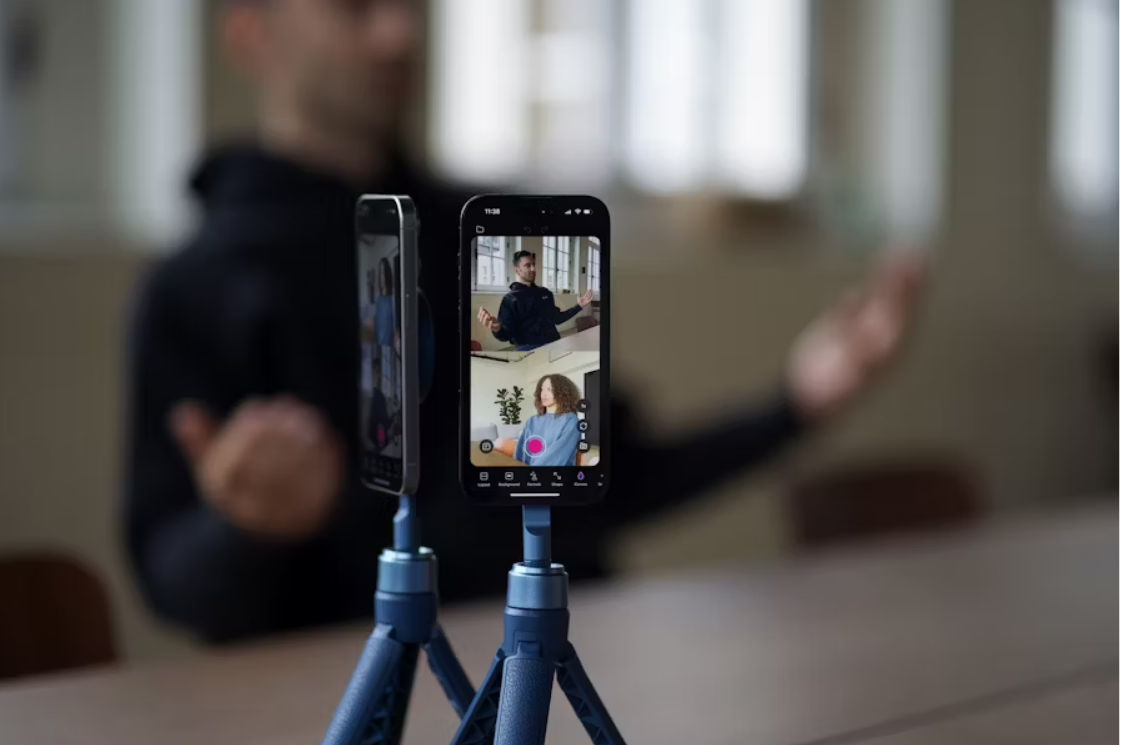
Mobile-first solutions mean journalists can upload video directly from their phones in the field, receive transcripts on the go, and file stories from anywhere. The traditional advantage of large newsrooms with dedicated support staff is shrinking.
Consider breaking news scenarios: a journalist covering a protest or event can record video interviews, get instant transcripts, and publish within an hour. For investigative work, managing dozens of source interviews becomes logistically feasible even for solo reporters. The technology doesn’t change what makes good journalism—it just removes barriers that prevented good journalists from doing their best work.

Best Practices & The Future
As powerful as AI tools are, they’re assistants, not replacements for editorial judgment. Smart journalists verify quotes against the original audio, especially for controversial or sensitive stories. AI transcription is impressively accurate, but it’s not perfect—names, technical terms, and unclear audio can still produce errors that need human correction.
Transparency matters too. While there’s no need to disclose every tool in your production workflow, maintaining journalistic integrity means ensuring AI enhances rather than replaces your reporting process. The story still requires a journalist’s insight, context, and verification—AI just handles the mechanical parts.
Looking ahead, the technology continues improving rapidly. Real-time translation is becoming standard, allowing journalists to interview sources in one language and immediately work with transcripts in another. Automated fact-checking integration is emerging, flagging claims that need verification. Some experimental tools can even generate draft story frameworks from video content, though human writing and editorial judgment remain essential.
The trajectory is clear: within a few years, the idea of manually transcribing video will seem as outdated as typing on a typewriter. The question isn’t whether to adopt these tools, but how quickly you can integrate them into your workflow.
Conclusion
AI-powered video transcription tools are giving journalists something increasingly precious: time. Time to conduct more interviews, develop deeper sources, craft better stories, and beat deadlines that once seemed impossible.
The technology is here, it’s affordable, and it works. From solo freelancers to established newsrooms, journalists who embrace these tools are finding they can produce more content, of higher quality, in less time. The mechanics of transcription no longer need to be a bottleneck.
Most importantly, this shift allows journalists to focus on what they do best: finding stories that matter, asking tough questions, and connecting audiences with information they need. The transcription? Let AI handle that. You’ve got stories to tell.
Ready to transform your video interview workflow? Explore AI-powered tools to transcribe mp4 to text and reclaim hours of your day for actual journalism.