


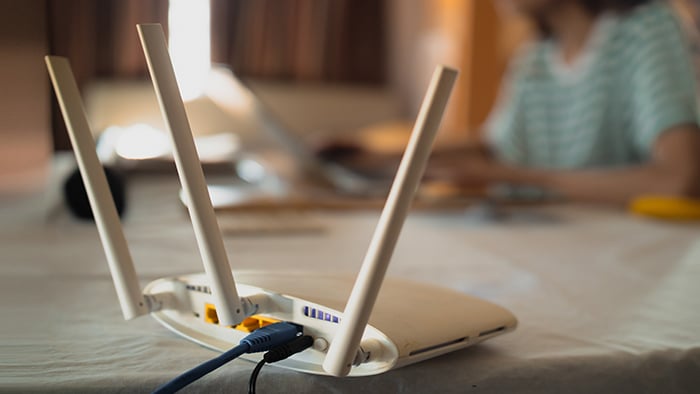
The world that we are living in today is digitally driven, and convenience isn’t defined by physical comfort alone; it is also shaped by how easily we can access information, communicate, work, learn, and manage daily tasks online. At the centre of this digital lifestyle is home WiFi, an invisible yet essential infrastructure that quietly supports almost everything that we do.
Whether it is productivity, communication, entertainment, or smart living, home WiFi adds a lot to digital convenience and reduces friction across digital activities. Let us discuss and understand what home WiFi truly adds to digital convenience and why home WiFi has become a basic household necessity.
24/7 Internet Access Without Data Anxiety
One of the most significant ways in which home WiFi adds to the convenience is by providing uninterrupted internet access without having to worry about data limits. Unlike mobile data, which requires strict monitoring usage, managing caps, and throttling speeds, home WiFi, such as the TP-Link routers, provides instant access to the internet without any data limits. This allows users to browse, stream, and download without having to adjust their behaviour to conserve data. You can log in to web management page of the TP-Link router to change Wi-Fi settings and guest networks easily through your web browser.
This convenience is unmatched and helpful in households with multiple users and devices that rely on the internet simultaneously. The absence of data anxiety creates a relaxed and productive digital environment that allows users to focus on their tasks rather than worrying about connectivity constraints.
Seamless Multi-Device Connectivity
You will find modern homes filled with internet-enabled devices, and all of these devices operate under a single, unified network, thanks to home WiFi. Smartphones, laptops, desktops, tablets, smart TVs, printers, and even household appliances connect to the internet and access the connectivity effortlessly without the need for individual data plans or manual network switching.
This seamless connectivity has simplified digital life and enabled digital devices to connect to the internet seamlessly. Plus, advanced routers used in home WiFi networks provide the option to manage and configure the network so that no single device can monopolize the network. ZTE routers for instance offers device management on both laptop and mobile so you can simply click to check your device settings.
Enabling Remote Work and Home-Based Productivity
Home WiFi has reshaped and changed how and where people work. Reliable internet access at home has enabled remote jobs, freelancing, and hybrid work models that were once impractical and considered a thought only. Video conferencing, cloud collaboration tools, and remote desktop access all depend on stable internet connectivity, and home WiFi provides just that and reduces interruptions.
A stable home WiFi connection means fewer dropped calls, smoother file uploads, and consistent access to work platforms. This type of reliability is unmatched and has allowed professionals to maintain their productivity, meet deadlines, and communicate effectively, even from their homes, without needing external workspaces or mobile hotspots.
Supporting Online Learning and Skill Development
Another way in which home WiFi adds to convenience is by supporting online learning and skill development. Education has increasingly moved online, and home WiFi plays a central role in this transition. Through their homes, students and professionals can join virtual classrooms, watch recorded lectures, and access digital libraries and interactive learning platforms.
This convenience has extended beyond formal education and enables people from all over the world to continue their learning journey and learn new skills every day. Plus, multiple learners within a household can attend learning sessions simultaneously and improve their knowledge and skills. This has made home WiFi a shared educational resource that supports long-term personal and professional growth.
Smart Home Integration
Home WiFi is also central when it comes to supporting smart home technology. IoT devices like smart lights, security cameras, voice assistants, and thermostats depend on Wi-Fi to function cohesively. When home WiFi is working properly, users can control their home environment through apps, voice commands, or automated routines. With Wi-Fi, you can get real-time updates, remote monitoring, and synchronised actions across smart home devices.
Whether it is adjusting the lighting, checking security cameras, or managing energy usage, home WiFi ensures that complex smart home systems turn into simple, user-friendly experiences.