


In 2007, mobile money quietly began to ignite one of the world’s most significant financial revolutions. What began as a bold experiment in mobile money transformed how millions of people access, move and manage money.
Apart from laying the foundation for a digital payments ecosystem, mobile money also reshaped banking and commerce. It changed how households manage finances, how businesses collect payments and how commerce operates across the country. It made financial services more accessible, practical and relevant to Mwananchi.
Nearly two decades later, digital payments are deeply embedded in Kenya’s economy with millions of people paying or receiving payments digitally. Businesses such as supermarkets, online retailers and roadside kiosks and estate merchants increasingly depend on digital collections to improve efficiency and manage cash flow. It has become normal to pay for a good or service, offline or online digitally. Utilities also as well as sending support to distant family members.
Banks were not left behind, though brick and mortar branches are still needed, traditional banks responded by investing heavily in mobile applications, internet banking, agency networks, digital account opening and self-service platforms. Bank customers didn’t have to go to the branch as these innovations brought banking closer to customers and reduced reliance on physical branches.
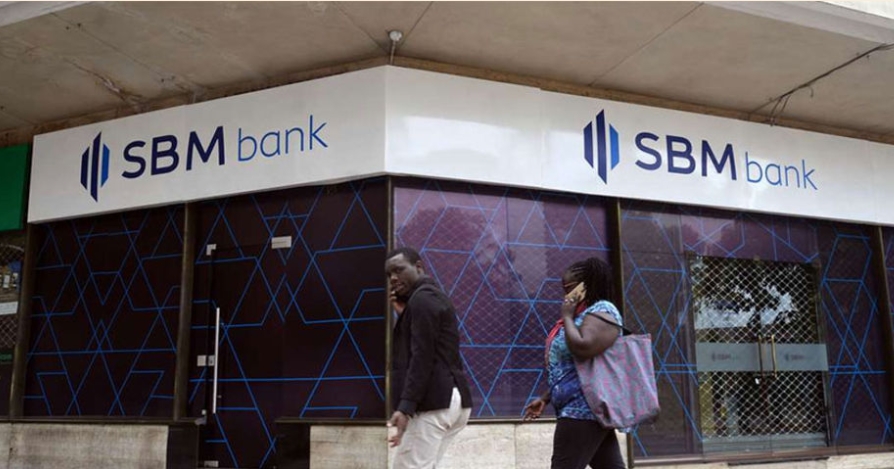
But mobile banking is no longer the final destination. Banks like SBM Bank Kenya see mobile banking as the foundation for the next phase of financial services. It’s just the start of quality payment experiences and not about access or channels.
Due to the plethora of digital channels, customers are less concerned about which channel they use but more about convenience. They expect instant, frictionless access, secure platforms, and the ability to effortlessly switch between accounts, merchants, businesses and digital platforms.Whether paying suppliers, shopping online, receiving salaries or transferring money to family members, every transaction has become part of the broader banking experience.
SBM Bank Kenya says these requirements mark the beginning of Kenya’s next payments era. The first wave of financial innovation focused on expanding access but the next is on removing friction. SBM Kenya argues that banks that succeed will not necessarily be those with the most digital platforms, but those that make everyday financial interactions simpler.
In 2026 and beyond, consumers increasingly expect interoperability of financial services. One connected ecosystem to salaries, investments, and current accounts for daily spending. Customers expect these systems to work together because they no longer see separate banking platforms but access to their money.
Though Kenyans have enjoyed digital payments, no one has been bold enough to address payment friction. There are payment delays due to network overload, exorbitant charges, complicated processes or systems failures and losses due to SIM Swaps among others. These issues may seem minor individually, but they build up against a merchant’s reputation or influence customer loyalty and business decisions.
Convenience has therefore become one of SBM Kenya’s most valuable competitive advantages. The future of payments is not simply about moving money electronically but about creating financial experiences where transactions happen quickly, securely and naturally across different platforms without customers needing to think about the technology behind them.
And technology is accelerating this shift allowing fintech firms to build services around speed and simplicity. Using open APIs, cloud infrastructure and embedded finance, banks are able to connect their customers more easily with merchants and payment service providers and other financial institutions seamlessly.
Artificial intelligence is adding another layer by improving fraud detection, strengthening risk management and helping institutions identify suspicious activity without disrupting legitimate transactions. As a result, payments are becoming increasingly invisible and customers no longer care about the technology but by whether transactions happen quickly, safely and without unnecessary effort.
Security remains central to this transformation. As payment volumes grow, security remains one of the most valuable assets in financial services. Encryption, identity verification, intelligent monitoring and risk controls are essential to ensuring that convenience does not compromise security.
Although mobile money and digital banking has improved convenience, transaction costs continue to influence customer behavior and customers are increasingly asking about the transaction costs and the hidden charges. For households, repeated charges reduce disposable income.Transaction costs can hinder trade as a recurring customer or operational expense.
Rather than viewing every transaction as a revenue opportunity, SBM Bank Kenya has recognized payments as the foundation for deeper customer relationships. Lower friction can encourage greater digital adoption, increase engagement and create opportunities across lending, savings and investment services.
This shift is reflected in the bank’s payments strategy as it moves to reduce barriers around everyday transactions while expanding digital banking adoption. In 2026, SBM reported stronger business performance, with group profit before tax rising to KES 547 million in the first half of the year, while customer deposits reached KES 94 billion, reflecting increased customer activity and confidence.
The bank has also focused on reducing costs associated with moving money. Its decision to make PesaLink transfers free was aimed at encouraging greater use of instant account-to-account payments and reducing friction for customers who transact across different financial institutions.
Beyond bank-to-bank transfers, the broader opportunity lies in creating an interoperable financial ecosystem. Customers in Kenya increasingly move between bank accounts, digital wallets and merchant platforms and the bank has integrated its systems into this wider ecosystem to reduce friction..
Cash also remains part of Kenya’s economy. Retail markets, informal businesses and many everyday transactions still rely on physical money. SBM Bank’s payments strategy supports digital experiences while ensuring customers retain convenient access to cash when needed via its ATM and branch network.
Globally, banks are moving to frictionless transactions to strengthen loyalty, improve engagement and create long-term value and Kenya is well positioned to lead this next stage due to its mature fintech ecosystem. Banks will no longer compete only about products, branches or applications, but about the simplicity and reliability of the financial experience.
According to CGAP, a global partnership of more than 40 leading development organizations in inclusive finance, “With the acceleration of technology use in financial services such as artificial intelligence (AI) and the expanded use of consumer data trails, digital financial services (DFS) are reshaping the financial sector, broadening access and reducing consumer costs.”
For SBM Bank Kenya, technology is an opportunity to reduce unnecessary barriers, improve access and make payments seamless across the economy. The first revolution made digital payments possible, the second made banking mobile but the current is making payments instant, intelligent and seamless. Seamless payments, not mobile banking alone will define the next generation of banks.
Nearly two decades after Kenya transformed financial inclusion through digital payments, the country is entering another defining chapter.
By removing unnecessary transaction costs, eliminating charges on interbank transfers, PesaLink transfers, digital wallet deposits and ATM withdrawals, SBM Bank Kenya is moving towards its ambition to become Kenya’s Preferred Payments Bank. Rather than asking customers to pay more every time they use banking services, it aims to help them keep more of every shilling while enjoying faster, simpler and more connected financial services.