


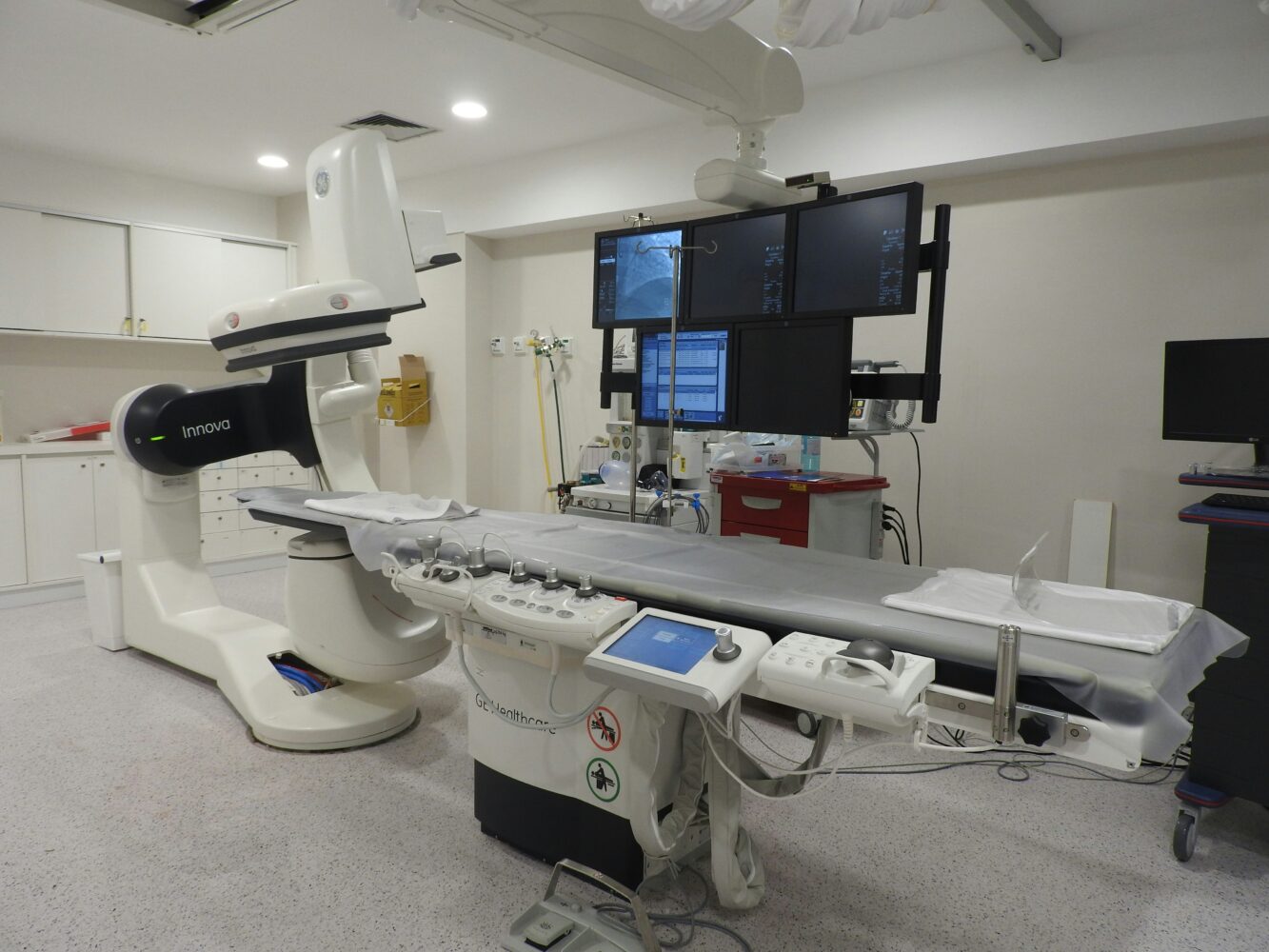
While technology has brought many celebrated breakthroughs in general healthcare, it’s important not to ignore the negative impacts it has introduced, especially in cancer care. Patients have suffered significant health challenges caused by medical technological failures, leading to a deteriorated quality of life and costly treatments.
Some of these medical failures qualify for legal compensation with the help of reputable personal injury attorneys. Below, we’ll look at how modern medical technologies can negatively impact cancer care and how you can maintain a safer approach or even compensation if you fall victim.
Risk of Over-Reliance on Technology
When medical practitioners over-rely on technology for even basic functions, the risk of detachment from important patient interactions increases. While data and test results are important for a successful diagnosis, physicians should not ignore basic diagnostic techniques, such as physical examinations and thorough patient histories. Over-reliance on technology makes doctors forget the simplest diagnostic approaches that would give them more accurate and reliable answers.
Overreliance on diagnostic tests can lead to unnecessary stress for patients, higher healthcare costs, and even misdiagnoses when results are misinterpreted. These mistakes can cost patients time and money treating the wrong diseases, which expose them to far worse risks, especially in the case of cancer. If this happens, you can seek compensation for a misdiagnosis with the help of relevant firms, such as a lung cancer law firm, depending on the type of misdiagnosis.
Data Privacy and Security Risks
With the rising use of technology, more patient and medical institutions’ data is gathered and stored on the internet. These electronic health records and other digital technologies only expose users to the prying eyes of cybercriminals and scammers. Patients are often the hardest hit when a breach occurs, as their sensitive medical information is exposed to malicious actors or third parties.
If not recovered in time, the information in the wrong hands can be used to commit crimes or engage in other fraudulent activities. This can expose the victims to identity theft and other security risks.
Disconnected Human Interactions
One of the key ingredients for successful treatment of chronic illnesses like cancer is the instillation of hope in patients. Face-to-face communication between physicians and patients helps convey this hope and build stronger connections for effective recovery.
However, when this communication pattern is replaced with the latest communication technologies, patients miss out on one of the most important aspects of effective recovery. When patients feel less cared for, even with the right medical attention, they may not recover fully or fast enough.


High Overall Costs
The adoption of technology in cancer care might have streamlined cancer treatment, but this efficiency comes at a cost that’s too high for many patients to bear. Patients in low-income areas may miss out entirely on their only line of hope if technologies remain expensive and accessible only to the few wealthy individuals. Healthcare facilities may also need to invest substantial resources to implement and maintain these technology systems.
While technology is a necessary part of modern healthcare, overreliance on it can lead to various costly challenges for both healthcare facilities and their patients. Understanding these challenges and mitigating them early can help secure safer, more affordable cancer care for more patients worldwide.