


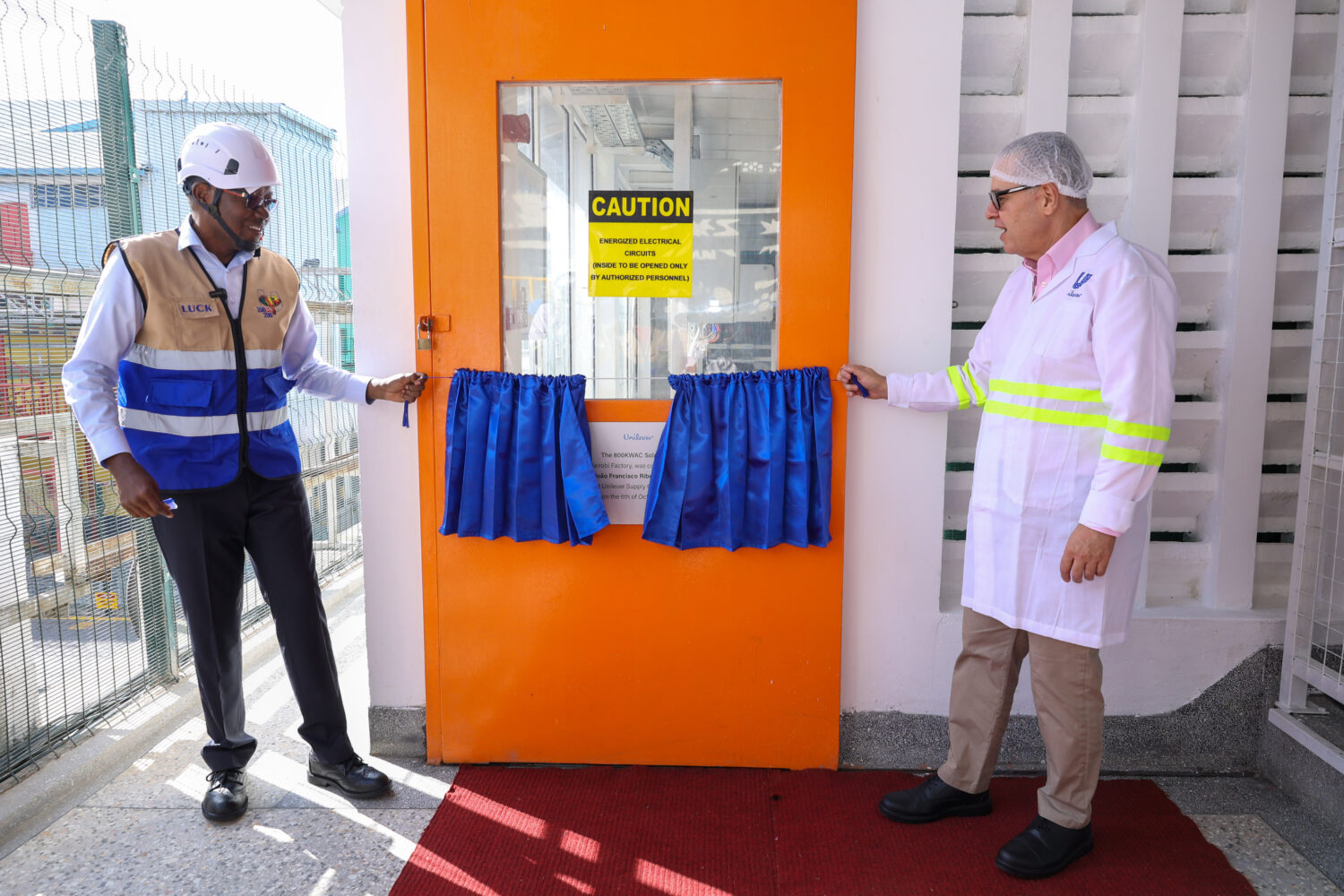
Unilever has invested about $540,000 (KES 70 million) in an 800-kilowatt solar installation at its Nairobi factory, targeting annual energy savings of about $230,000 (KES 30 million) as manufacturers in Kenya seek to contain electricity costs, BusinessTech Kenya reports.
The solar system, which became operational in June, is expected to supply about 30% of the factory’s electricity. Unilever said the project will reduce its reliance on conventional power sources while making energy costs more predictable.
The investment gives the company a relatively short payback period. Based on Unilever’s projected annual savings, the $540,000 installation could pay for itself in about 2.3 years, before financing, maintenance and other costs.
Electricity remains a significant operating expense for Kenyan businesses, with manufacturers increasingly turning to solar and other measures to reduce their exposure to grid power costs.
The World Bank has estimated Kenya’s average electricity cost at about $0.23 per kilowatt-hour, making power relatively expensive for businesses compared with several other markets in the region.
Kenya Power’s base tariff for large consumers using between 1,000 and 15,000 kilowatt-hours a month fell to KES 18 per unit in the year ended June 2026 from KES 18.30 a year earlier. A proposed tariff increase from July was subsequently frozen by the government amid concerns over the cost of living.
The pressure to manage electricity bills has nevertheless encouraged more businesses to shift consumption to cheaper periods and invest in alternative sources of power.
More than 2,600 businesses were using Kenya Power’s discounted time-of-use electricity tariff in the year ended June 2026, according to data reported by Business Daily.
Emissions fall
Unilever said emissions from its Nairobi factory are now about 40% below 2023 levels, which the company uses as its baseline for measuring the reduction.
The decline reflects multiple measures implemented since 2023, including the earlier conversion of the factory’s boilers from heavy fuel oil to biomass and the 800kW solar installation, which became operational in June 2026.
Unilever has not attributed the full 40% reduction to the solar project alone. Instead, the installation forms part of a broader programme to reduce the factory’s reliance on fossil fuels and increase renewable-energy use.
The company plans to further reduce its use of fossil fuels by shifting hot-air generation from heavy fuel oil to biomass-based fuels.
“Investments like this make our operations more resilient and more competitive while reducing our reliance on conventional energy,” said João F. Ribeiro, Unilever’s 1UL Supply Chain Head, at the unveiling of the solar installation.
Focus on costs
The economics of the Nairobi project illustrate why renewable energy is gaining traction among manufacturers in Kenya.
Unilever expects the 800kW system to provide nearly a third of the factory’s electricity while saving about $230,000 a year. That represents annual savings equivalent to about 43% of the initial investment.
“This investment demonstrates that sustainability and strong business performance can advance together,” said Elodie Kouassi, Head of Supply Chain, East Africa excluding Ethiopia.
The unveiling was attended by Luck Ochieng, Managing Director for Unilever East Africa; Richard Bogita, Head of Supply Chain, East and West Africa; Kouassi; and members of Unilever’s Business Operations Leadership Team.
For manufacturers, solar power can provide a hedge against fluctuations in grid electricity costs while also reducing exposure to fossil-fuel prices.
Unilever’s Nairobi investment therefore combines two objectives: lowering the factory’s operating costs and cutting its carbon footprint.
The company said the next phase of the programme will focus on replacing heavy fuel oil used in hot-air generation with biomass-based fuels, further reducing the factory’s dependence on fossil fuels.