


Kenya’s Satlyt has been selected among 10 startups joining the inaugural Google Africa Applied AI Lab cohort, gaining access to Google’s artificial intelligence models, technical mentorship and venture capital guidance to accelerate the development of its satellite computing technology.
Satlyt, which recently raised $8 million to develop software that turns satellites into virtual artificial intelligence data centers, allowing spacecraft to process data and run AI applications in space, is developing technology that transforms satellites into connected computing nodes, enabling data processing in orbit rather than relying entirely on transmitting information back to Earth for processing. The approach is designed to expand how satellite infrastructure handles data and supports emerging applications in space-based computing.
The Kenyan startup joins companies from Nigeria, Uganda and Senegal, alongside Pan-African businesses selected for the programme, which aims to accelerate African-led artificial intelligence products addressing challenges across the continent.
Google announced the inaugural cohort on November 11, following an application process launched in July that attracted thousands of submissions from startups across more than 45 African countries. Applications closed on August 31, with the selected companies assessed on their technical plans and business traction.
The other startups selected are AethexAI and Agrails, both operating across multiple African markets; Uganda’s Crane AI Labs; Nigeria’s Intron, Termii and Vendy; Senegal’s Tolbi; and Pan-African companies Smile ID and Viamo.
The companies are developing AI applications across financial services, agriculture, healthcare, telecommunications, identity verification and digital commerce.
AethexAI provides AI-powered voice agents for banks, telecom operators and customer support centres, while Agrails is building insurance infrastructure for farmers, gig workers and small borrowers. Uganda’s Crane AI Labs develops offline AI tools for healthcare workers and schools that operate on affordable smartphones.
Nigeria’s Intron focuses on speech recognition for clinical and enterprise applications, with technology designed to understand African accents and code-switched speech. Termii provides customer verification, messaging and operational alerts for financial services, while Vendy enables businesses to operate storefronts and receive payments through WhatsApp.
Senegal’s Tolbi combines satellite imagery with voice guidance to help smallholder farmers improve agricultural productivity. Smile ID uses computer vision for identity verification and financial services onboarding, while Viamo brings generative AI to people without smartphones through basic mobile phone calls in local languages.
Google to provide access to Gemini and Gemma
Under the programme, the selected startups will work alongside Google engineers, research scientists and product leaders, developing their products using Google’s AI models, including Gemini and Gemma.
The Google Africa Applied AI Lab is managed by the Google AI Futures Fund alongside Google Research. It builds on Google’s efforts to support African AI research, technical talent and startup development by addressing the challenges founders face in accessing advanced AI models and specialised technical expertise.
Four venture capital firms, 4DX Ventures, Norrsken22, Novastar Ventures and Ventures Platform, will also provide guidance on commercialisation, market entry and building sustainable businesses.
The involvement of the investment firms gives the startups access to venture capital expertise and potential pathways to funding as they develop their products. However, Google has not announced specific investment amounts for individual companies.
Accra to host inaugural cohort demo day
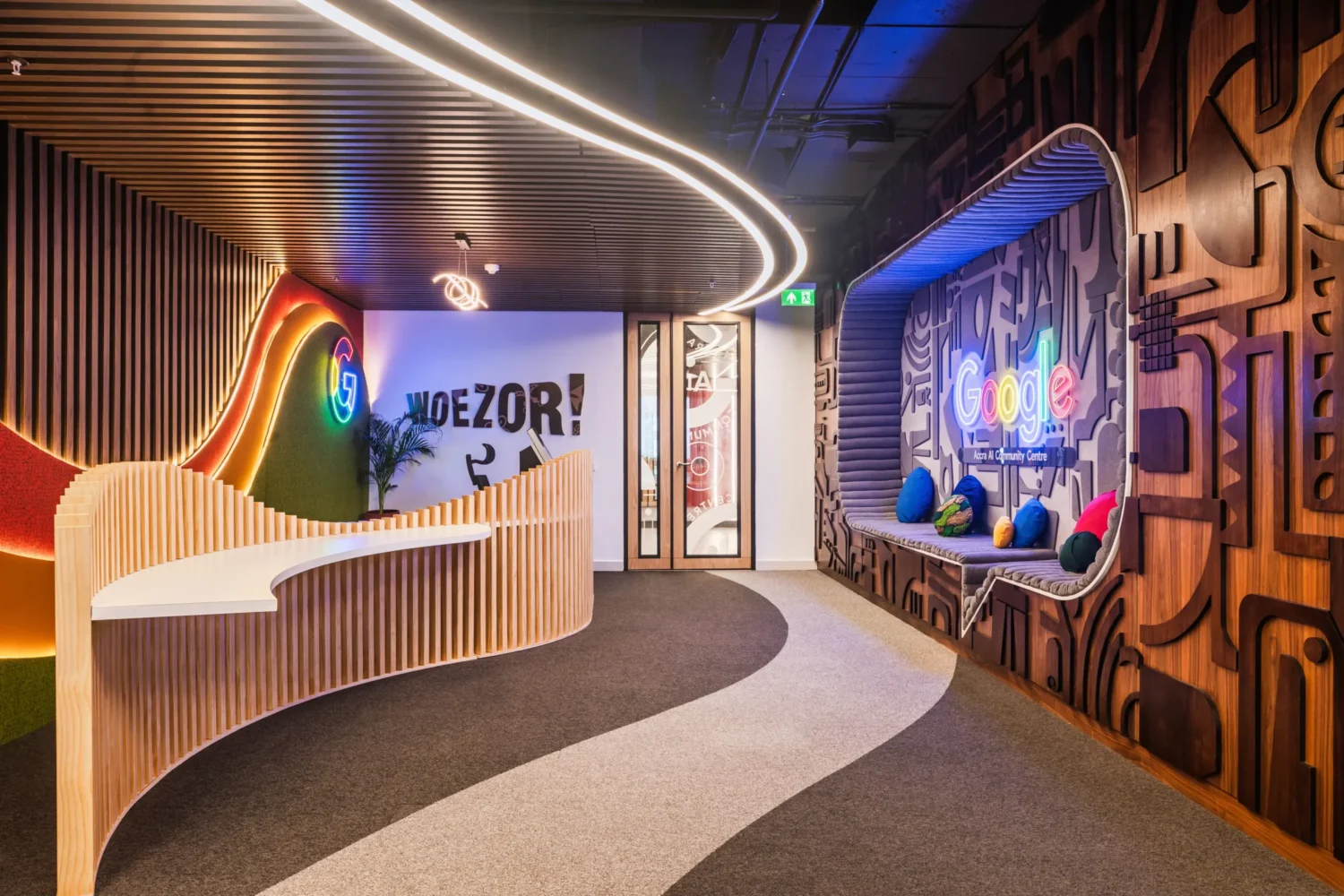
The 10 startups will meet in December at the Accra AI Community Centre in Ghana for a demo day, where they will showcase their work to investors, industry leaders and the wider technology community.
For Kenya, Satlyt’s selection brings attention to the country’s participation in an emerging area of technology that extends beyond conventional AI applications into satellite infrastructure and space-based computing.
The cohort also reflects Google’s broader ambition to support African founders building technology around local challenges, including limited internet connectivity, language diversity, access to financial services and the cost of essential infrastructure.
Google said it would share updates on the startups’ progress through the Google Africa Blog and its social media channels in the coming months.