


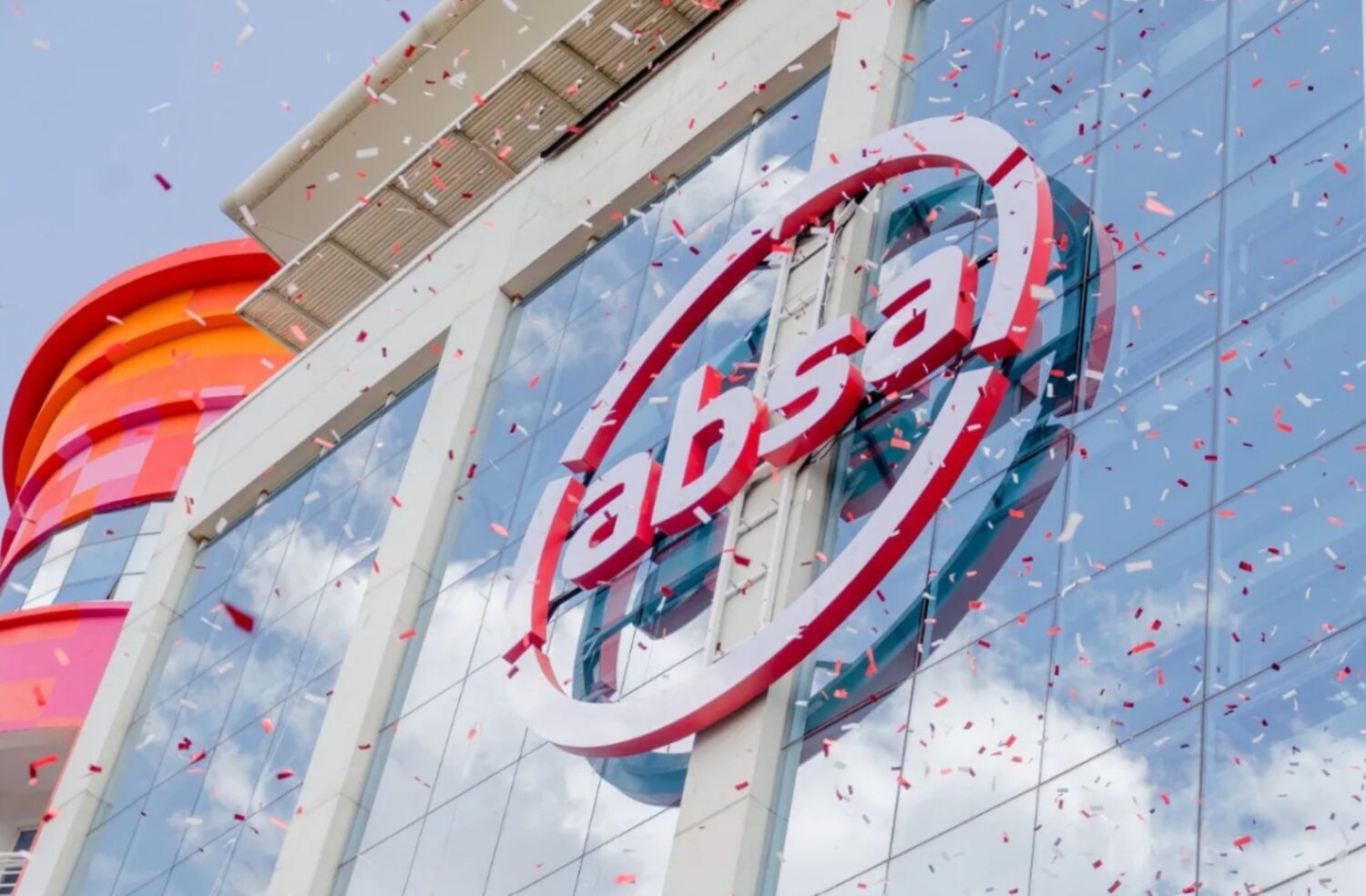
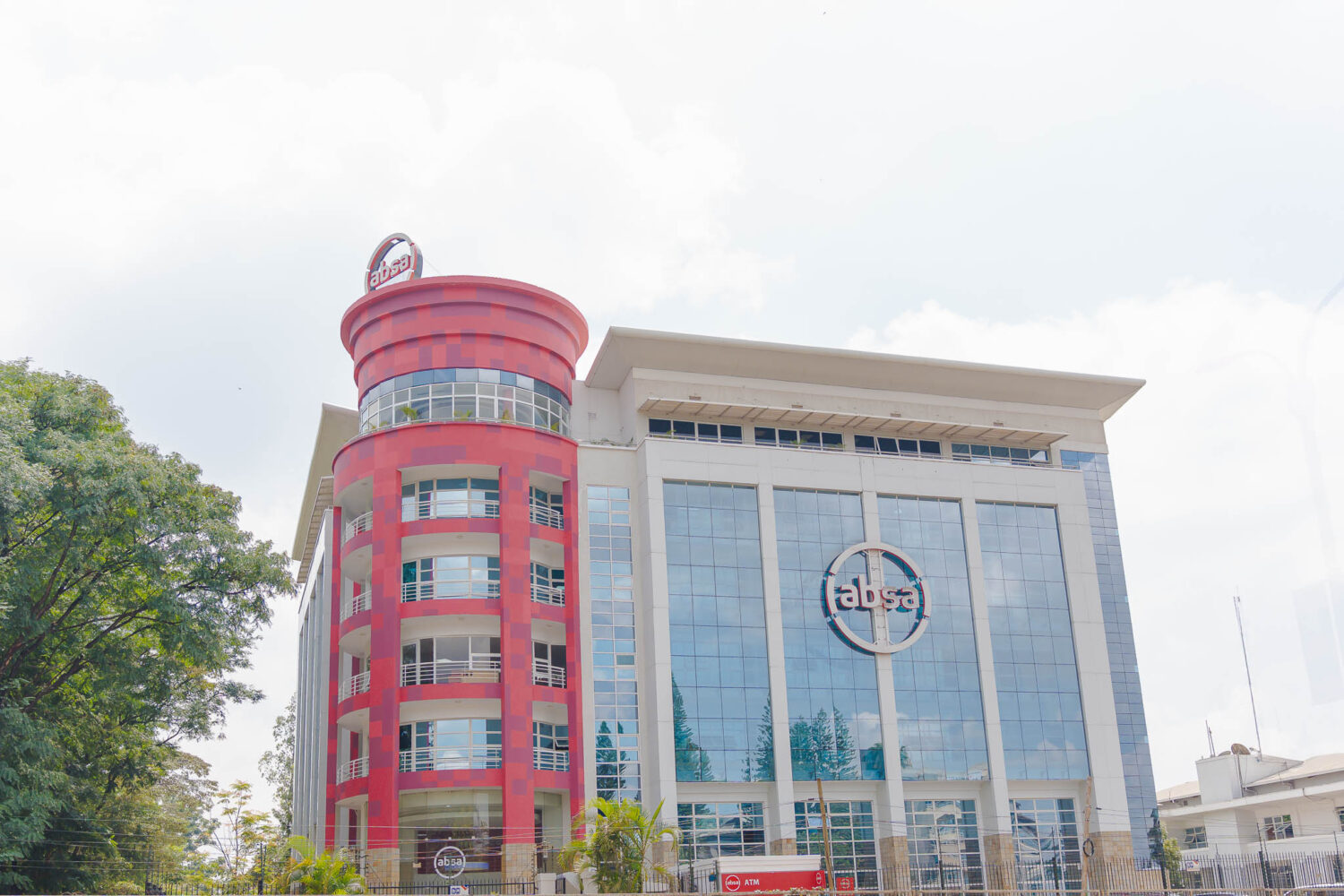
Absa Bank Kenya Plc has reduced carbon emissions at its Waiyaki Way head office by 48.6%, saving more than 405,000 kilowatt-hours of electricity annually and earning recognition among the world’s top 10 energy-efficient renovated buildings.
The building was named Kenya’s National Champion in the World Championship for Energy Savings (WCES), placing it among the Global Top 10 in the competition’s Renovated Building Pathway category. The recognition highlights the potential for existing commercial buildings to cut energy consumption and emissions through targeted upgrades rather than relying solely on new construction.
Absa achieved the reductions through a series of building improvements, including replacing conventional lighting with energy-efficient LED systems, installing automated building controls and external lighting sensors, introducing water-efficient fixtures and applying solar shading film to windows to reduce heat gain.
The bank undertook extensive retrofitting between 2020 and 2021, followed by additional sustainability investments. The head office also secured certification under the International Finance Corporation’s Excellence in Design for Greater Efficiencies (EDGE) green building standard.
In 2023, Absa introduced a structured waste recycling programme. In September 2026, it commissioned a 110-kilowatt-peak grid-connected solar photovoltaic plant following a pilot project in 2025. Based on the pilot’s performance, the installation is projected to provide up to 41% renewable energy penetration.

The recognition comes as Absa expands its sustainability programme across its operations and financing activities.
“Our journey is about turning commitments into everyday business practice, from accelerating sustainable finance to advancing our own transition towards net zero,” said Charles Wokabi, Absa Bank Kenya’s head of sustainability and corporate affairs.
The bank is also working with customers, business partners and other stakeholders to encourage sustainable practices and support green growth, Wokabi said.
Earlier in 2026, Absa introduced its Sustainability Strategy for 2026–2030, which targets a 50% reduction in operational emissions and resource efficiency gains of between 25% and 30% through energy efficiency measures and renewable energy investments.
The bank has set a longer-term target of achieving net-zero carbon emissions by 2050.
Launched at COP30 by the Global Alliance for Buildings and Construction and led by Action for Market Transformation, the World Championship for Energy Savings recognises buildings that demonstrate measurable improvements in energy consumption and carbon performance.
Unlike assessments based primarily on building design or sustainability commitments, the competition evaluates actual energy performance using consumption data measured against established baselines.