


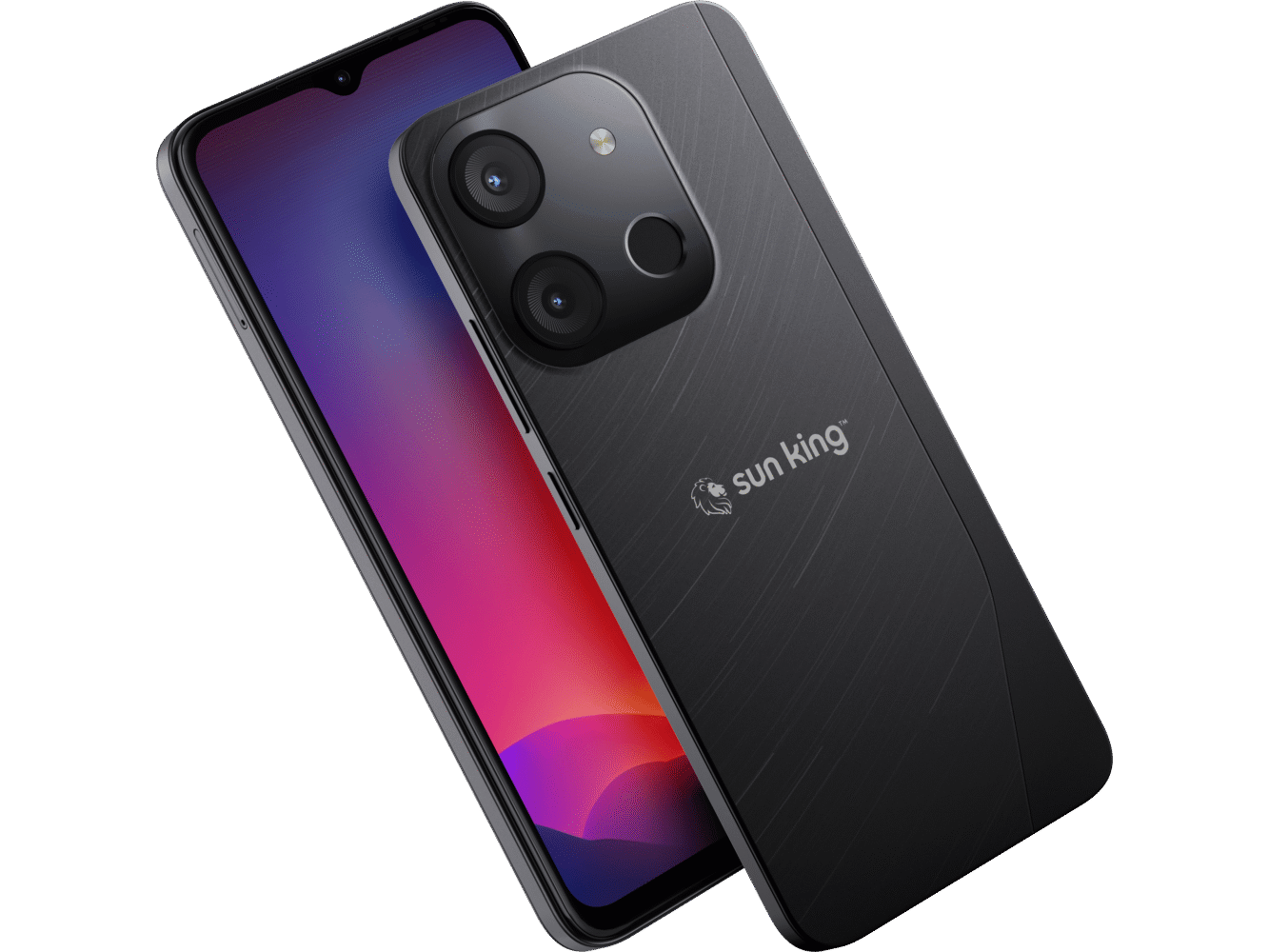


Sun King today announced the launch of EZ 1, its first-ever Sun King–branded smartphone, giving Kenyans access to a smooth, reliable smartphone experience for just KES 60 per day and a 2,999 KES deposit.
Designed for everyday life, EZ 1 is assembled in Sun King’s recently launched manufacturing facility in Kenya and built for customers who want to stay connected and work smarter.
Using Sun King’s trusted lipa pole pole model, customers can own a modern smartphone while paying in small, manageable daily installments.
“Having the EZ 1 phone has been a game-changer, ensuring that I am in touch with family and friends. The EasyBuy finance option made it super affordable. I highly recommend that my friends and family check it out.” Benard Langat, EZ 1 Owner, Bomet
A smartphone that works as hard as you do
EZ 1 is engineered to deliver exceptionally smooth performance, helping users do more every day, from chatting on WhatsApp and watching videos to running a small business online and using mobile money. Core specifications include:
- 4 GB RAM + 4 GB VRAM for smooth scrolling, faster app switching and lag-free use, even when multitasking
- 128 GB storage (expandable to 256 GB) so users can keep apps, photos, videos and documents without constantly deleting
- Large 6.56″ HD+ display for crisp, vibrant visuals — easier reading, browsing and viewing, even outdoors
- 13 MP rear camera + 8 MP front camera with low-light mode for clear photos and video calls, including in dim light — ideal for social content and biashara listings
Power that lasts, security you can trust
Battery life is one of the biggest frustrations for smartphone users in Kenya. EZ 1 is built to last through long days at work or on the move.
- 5000 mAh battery and 12+ hours of video or up to 60 hours of regular use, reducing the need for frequent charging
- Facial recognition and fingerprint unlock help keep the device secure, including access to apps and personal information
- Pre-installed screen protector helps protect the phone from day one
EZ 1 also includes a data bundle and warranty, giving customers additional value and peace of mind.
Affordable, transparent and backed by protection
EZ 1 is available from KES 60 per day, making smartphone ownership accessible to first-time buyers and budget-conscious customers who cannot afford to pay upfront.
“EZ 1 reflects everything we’ve learned serving Kenyan customers over the years,” said Victor Agandi, Vice President, EasyBuy Direct Sales, East and Southern Africa. “People want a smartphone that works, payments they can manage, and a company they can trust. That’s exactly what EZ 1 delivers.”
From powering homes to powering connection
Sun King first became known in Kenya for making solar power affordable through small daily payments. Today, one in five Kenyans have access to Sun King solar. EZ 1 builds on that same approach, combining power and connectivity to help customers participate in today’s digital economy.
With access to a smartphone, customers can communicate with family, grow their income, access education and services, and take pride in owning a best-in-class smartphone.
Where to get EZ 1
EZ 1 is available now across Kenya through Sun King’s nationwide agent network. Customers can also attend in-person demos at local activations to try the phone, ask questions and buy directly from trained Sun King agents.