


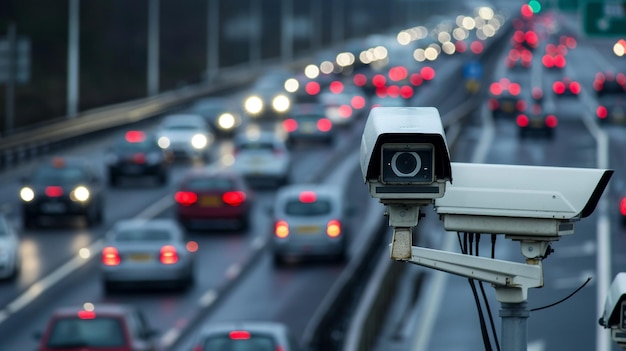
A major digital crackdown on motorists has been suspended after the High Court in Kenya issued conservatory orders barring the enforcement of an instant, algorithm-driven traffic penalty system.
The ruling, delivered today morning by Justice Bahati Mwamuye, marks a significant intervention into how the state uses automated decision-making (ADM) to police public roads.
The orders effectively restrain the National Transport and Safety Authority (NTSA) and the Attorney General from “issuing, generating, demanding or enforcing” any penalties produced through these automated systems.
At the heart of the dispute is a constitutional petition filed by the lobby group Sheria Mtaani.
Represented by lawyers Danstan Omari and Shadrack Wambui, the petitioners argue that the NTSA’s rollout of instant fines bypasses essential human oversight.
Specifically, the group contends that the system imposes penalties immediately upon detection of an infraction without prior notice, warning, or a human review process.
Furthermore, the legal team argues that the software effectively strips citizens of the “presumption of innocence” guaranteed under Articles 47 and 50 of the Constitution.
Under the current digital framework, motorists are compelled to settle fines within seven days. Failure to do so results in administrative sanctions, such as being barred from accessing vital NTSA services.


Beyond basic traffic law, the case highlights a growing tension between rapid tech adoption and the Data Protection Act, 2019.
The petitioners claim that executing penalties solely through automated algorithms, without the possibility of human intervention, violates statutory requirements for transparency in automated decision-making.
“The system converts registered vehicle owners into automatic culprits even where they may not have committed the alleged offence,” the petition states.
Moreover, the challenge raises questions regarding the flow of public funds.
Justice Mwamuye has directed that KCB Bank Kenya be enjoined as an interested party, following concerns that traffic fines were being funnelled through a commercial bank account rather than traditional statutory government accounts.
As the implementation of the system threatens what the court described as “widespread harm” to motorists, the legal timeline has been expedited: March 13, 2026 is the deadline for the petitioner to file an affidavit of service.
The date March 20, 2026 is the deadline for the NTSA and the Attorney General to file their official responses.
Whereas, March 27, 2026 is the deadline for the petitioners to file a rejoinder and on April 9, 2026, the matter will be mentioned to confirm compliance and set a date for the full hearing.
Until these dates pass and a final determination is reached, the court orders that NTSA’s automated “instant fine” algorithms must remain offline.