


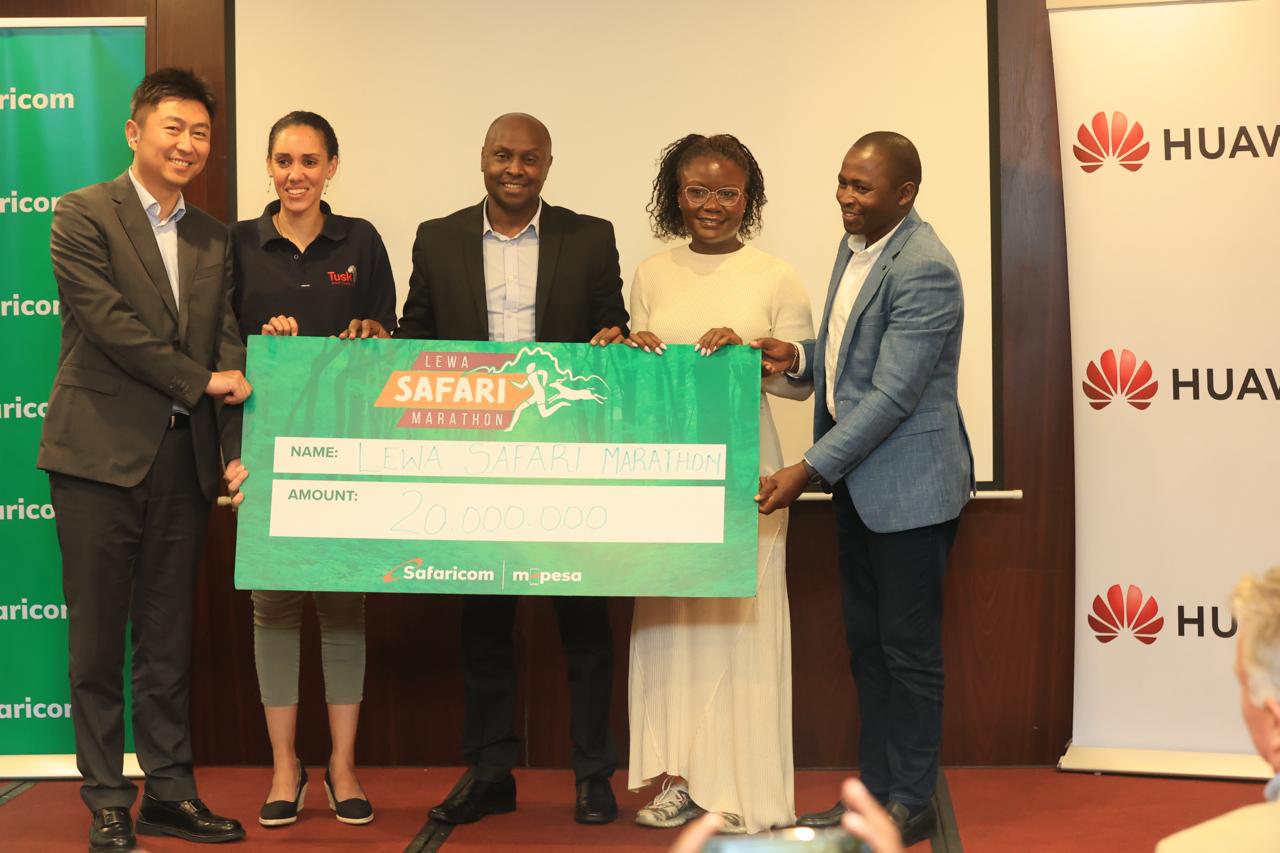
Kenya’s Lewa Safari Marathon is increasingly relying on telecommunications networks and data-driven tools to expand its conservation impact, organisers said on Tuesday, as entries opened for the 2026 race.
The event, held at Lewa Wildlife Conservancy, has raised about KSh1.3 billion since 2000. This year’s edition, scheduled for June 27, is expected to generate more than KSh15 million to support wildlife protection and community programmes.
Organisers and sponsors say technology is playing a growing role in how those funds translate into on-the-ground results.
Safaricom, the event’s long-time lead sponsor, provides connectivity infrastructure that supports ranger communications, mobile data collection and coordination across the conservancy. The network enables real-time sharing of field information, improving response times to threats such as poaching.
“Every step taken at the Lewa Safari Marathon powers real, measurable conservation impact,” Lewa Wildlife Conservancy CEO Mike Watson said in a statement, pointing to the role of digital systems in securing habitats and supporting communities.
Chinese technology firm Huawei, which has backed the event for nearly two decades, said it is deploying solutions aligned with its “Tech4All” initiative, including tools that support data transmission and analytics for conservation teams.
Such systems include GPS-enabled wildlife tracking, mobile-based reporting platforms for rangers, and digital monitoring tools that help identify unusual animal movements or human activity in protected areas.
The conservancy, part of a UNESCO World Heritage Site, hosts endangered species such as black rhinos and Grevy’s zebras. Data collected through connected devices allows conservationists to monitor population trends and intervene more quickly when risks emerge.
Beyond wildlife protection, organisers say the same digital infrastructure is supporting rural communities around Lewa by enabling mobile health services, digital education programmes and access to financial tools for small businesses.
Funds raised through the marathon have supported more than 40,000 clinic visits and multiple school initiatives, with some programmes now integrating digital record-keeping and remote support.
The race, which attracts participants from over 40 countries, features a full marathon, half marathon, 10 km race and children’s run across savannah terrain.
Organisers said the combination of sport, funding and technology is helping shift conservation towards more data-driven, scalable models.
Entries for international runners are open, with East African registrations set to begin on March 27.