



As Kenya positions itself as a growing technology and artificial intelligence hub in East Africa, global device makers are sharpening their focus on the country’s business market. For ASUS, the opportunity is not just about selling laptops. It is about showing how engineering, durability, security and AI-ready hardware can support businesses, governments, students and creators in a fast-changing digital economy.
TechMoran spoke to Tolga Özdil, Regional Commercial Director, Middle East, Turkey and Africa at ASUS, on what makes ASUS different, why Kenya matters, and how the company is building devices for the next phase of work.
Kenya As A Gateway Market For East Africa
Why is Kenya an important market for ASUS?
Kenya is a key country for this region. It may not have the population size of Nigeria or Egypt, but its influence is much bigger than its numbers. Kenya acts as a gateway to East Africa and connects to a market of hundreds of millions of people around it.
That is why events like GITEX Kenya are important. They show that Kenya can become a strong centre for IT and AI development in the region. For ASUS, being here allows us to demonstrate our devices, meet customers directly and show the engineering thinking behind our products.
We want people to experience the products, not just hear about them. When customers see the build quality, the durability and the small features we include, they understand what makes ASUS different.

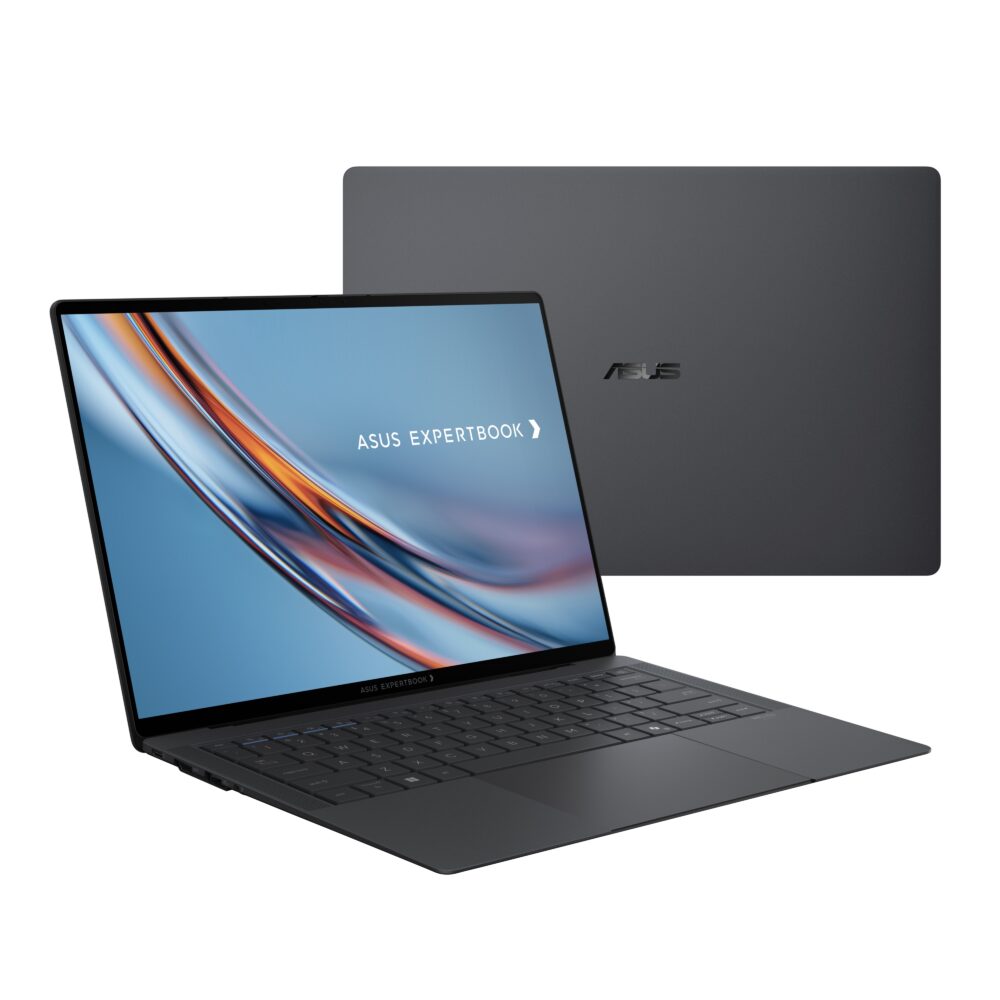
Engineering as A Competitive Advantage
What is the unique selling point of ASUS commercial products?
Our biggest difference is that ASUS comes from an engineering background. Our DNA is engineering. We care deeply about how a product is built, how long it lasts and how well it performs in real working conditions.
For example, we include certain protection features in our devices that may look small, but they matter. One basic dust filter may cost around one dollar. Some companies may remove that to save cost. But when you produce more than 20 million devices a year, that one dollar becomes a very big number. For us, we do not want to remove a useful feature just to save money. We prefer to give better protection and better quality to the user.
That is the ASUS mindset. We are not only thinking about the outside look of the product. We are thinking about what happens inside the device and how it supports the customer every day.
How do ASUS commercial devices differ from consumer devices?
Consumer devices are built for home use, entertainment, gaming and personal productivity. Commercial devices are built for continuous work. Businesses need consistency. They need devices that can support employees without frequent failure or downtime.
That is why our commercial products have stronger durability, longer warranty options and additional security features. Some models can support up to five years of warranty. We also test devices for stronger real-life conditions. A commercial laptop must keep working even when it faces rough handling.
Security is also very important. Our commercial devices include features such as TPM for data protection. We also include sensors that can inform IT teams if a device has been opened. These features are not only for top models. We try to bring them across the family, including entry-level devices.
Does ASUS offer a full commercial portfolio?
Yes. We are not only producing laptops. We have desktops, all-in-one PCs, monitors, workstations, servers and other business solutions. Our portfolio starts from Core i3 and goes up to Core i9, and we also have AMD solutions.
All-in-one devices are becoming popular, especially in government and office environments, because they reduce cable clutter and make workspaces cleaner. ASUS has one of the broadest portfolios in the industry.
AI Built Into The Device
What is ASUS doing around embedded AI?
AI is now part of daily life. People use it to ask questions, make decisions and solve problems. In Kenya, sectors such as agriculture can benefit strongly from AI. For example, a farmer can take a picture of a crop and use AI to understand possible diseases or problems.
But most AI today works online. You send data to a server and then receive an answer. That creates questions around privacy, security and internet access.
That is why on-device AI is important. With the right processors and NPUs, users can run AI tasks directly on the device, even offline. This improves privacy because sensitive data does not always have to leave the device. It also helps businesses that have strict rules on data security.
For B2B customers, this is very important. Companies want AI, but they also want control, security and speed. ASUS is building devices that can support that future. Our goal is to give businesses AI-ready tools that are powerful, secure and practical for daily work.