


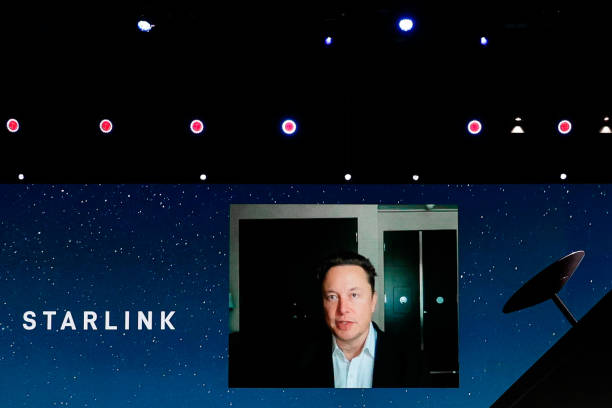
SpaceX is planning a move into consumer mobile services in the United States through its Starlink satellite business, according to a report by the Financial Times, potentially expanding the company’s communications operations beyond broadband internet and into the wireless market.
The report said SpaceX has informed investors of plans involving a Starlink-branded mobile service aimed at U.S. consumers. The proposal was reportedly discussed during recent investor presentations and fundraising-related conversations, according to people familiar with the matter cited by the newspaper.
SpaceX already operates direct-to-cell connectivity services in the United States through a partnership with T-Mobile. The service is designed to provide additional coverage from space, allowing users in areas with limited or no traditional cellular coverage to access communication services through satellite technology.
According to the Financial Times report, the company is considering a broader consumer offering that could eventually include direct retail mobile services under the Starlink name. The report also said SpaceX may pursue the development of a terrestrial wireless network in the United States alongside its satellite infrastructure.
Neither SpaceX nor company executives immediately issued a public response following publication of the report. Reuters said it was unable to independently verify the information.
The latest reported plans would represent an expansion of Starlink, which began as a satellite internet service intended to provide broadband access in underserved regions and locations where conventional internet infrastructure was limited or unavailable. Since launching commercially, Starlink has grown into one of SpaceX’s largest businesses and has expanded service availability across multiple countries and markets.
The company’s satellite network relies on thousands of low-Earth orbit satellites positioned significantly closer to Earth than traditional communications satellites. The lower operating altitude is intended to reduce latency and improve performance for users.
SpaceX has also taken steps in recent years to strengthen its wireless capabilities through spectrum acquisitions and partnerships. In September of last year, the company acquired wireless spectrum licenses from EchoStar for approximately $17 billion for use with its Starlink network, according to earlier reports. Additional spectrum assets valued at approximately $2.6 billion were also acquired later in the year.
Those acquisitions gave SpaceX access to wireless airwaves that could support expanded direct-to-cell services and other communications products.
Industry observers have increasingly focused on Starlink as a major source of growth for SpaceX. The business has continued expanding globally as the company increases the number of satellites in orbit and introduces additional services.
The reported mobile initiative comes as SpaceX continues expanding beyond launch operations into broader communications and connectivity businesses. Alongside satellite internet services for households, the company has introduced products for businesses, aviation customers, maritime users and government agencies.
The Financial Times report did not provide details on potential pricing, launch timing or how a future consumer mobile service would be structured.
SpaceX was most recently valued at record levels in private markets, with investors increasingly focused on the growth potential of its Starlink business and recurring subscription revenue.
Further details about the reported plans have not yet been officially announced by the company.