


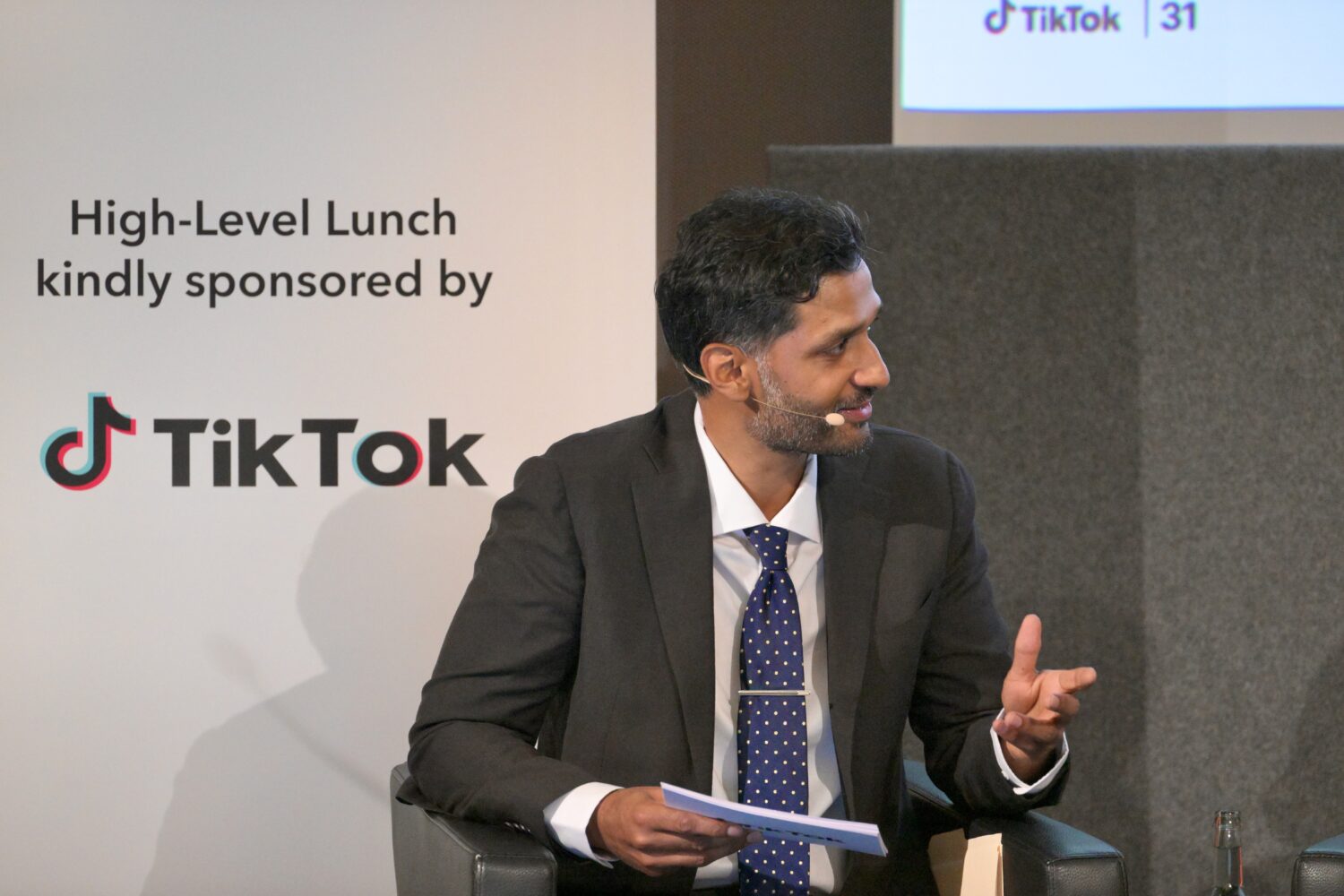
TikTok is stepping up its efforts to combat AI-generated spam while expanding artificial intelligence transparency and literacy initiatives across Sub-Saharan Africa, as the platform says more than 3 billion videos have now been labelled as AI-generated.
Announced during the AI for Good Global Summit in Geneva, the new measures include enhanced systems to detect AI-generated spam, an in-app AI literacy hub for users in Kenya, Nigeria and South Africa, and expanded partnerships aimed at helping users understand and safely use AI technologies.
The company is testing improved detection systems designed to identify accounts dedicated to posting AI-generated spam, a growing challenge as generative AI makes it easier to mass-produce low-quality and misleading content.
“AI is opening up exciting new opportunities for creativity and storytelling, but as technology evolves, it can also be misused to mass-produce spam that crowds out original creators and undermines trust,” TikTok said.
The initiative builds on the platform’s broader efforts to maintain authenticity. During the first quarter of 2026 alone, TikTok removed more than 86 million fake accounts globally as it strengthened its automated detection capabilities.
“We believe people should have context, confidence and control over their experiences with AI on TikTok. We continue to invest in technologies, partnerships and educational resources that help people spot AI-generated content, understand how it’s created, and use these tools creatively and responsibly,” said Tom Varghese, AI Lead for TikTok’s Global Public Policy team.
Alongside its efforts to curb AI spam, TikTok said it has now labelled more than 3 billion videos as AI-generated using a combination of Content Credentials, creator disclosure tools and invisible watermarking technology. The milestone comes as governments, technology companies and civil society groups increasingly push for greater transparency around AI-generated content.
To further strengthen industry standards, TikTok has joined the Coalition for Content Provenance and Authenticity (C2PA) Steering Committee, where it will work with other technology companies and organisations to advance the adoption of Content Credentials and other tools designed to help people identify AI-generated media.


The company is also expanding its investment in AI education across Africa. TikTok is launching an in-app AI literacy hub for users in Kenya, Nigeria and South Africa, providing educational resources that help people recognise AI-generated content and understand how AI tools are used on the platform.
TikTok said it has committed more than US$4 million to its AI Literacy Fund since launching the initiative in November 2025. Through partnerships with organisations including Africa Check, Paradigm Initiative, Moxi Africa, Eveminet and Mtoto News, the programme has generated more than 200 million views, highlighting growing demand for trusted AI education across the continent.
Beyond education, TikTok is also investing in AI-powered creative tools for creators. Features such as Smart Split, AI Outline and Manage Topics are designed to help creators produce content while giving users greater control over how much AI-generated content they see.
The company highlighted creators from Kenya, Nigeria and South Africa who are using AI for storytelling, education and creative production, including Tonnee Ndungu and Nyandia Gachago from Kenya, Olayemi Afolabi and Comfort Obiagbaoso from Nigeria, and Motso Mike alongside AI engineer and founder Akhil from South Africa.
The latest initiatives underscore TikTok’s broader strategy of balancing rapid AI innovation with stronger safeguards against misuse, as platforms worldwide face growing scrutiny over synthetic content, misinformation and online trust.