


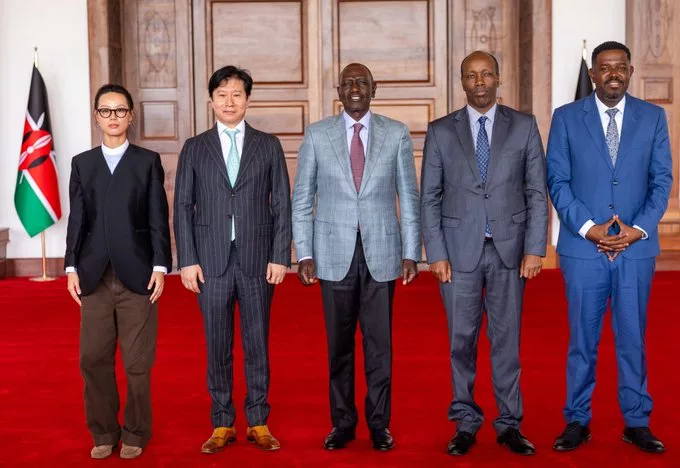
Chinese automaker Geely is planning a $3 billion electric vehicle project in Kenya that could produce up to 150,000 vehicles a year, in one of the country’s biggest proposed investments in electric mobility.
The project, announced after the signing of a memorandum of understanding between Kenya and Endelevu Enterprise Corporation, would establish local manufacturing of electric cars, motorcycles and other light electric vehicles.
The proposed project includes a plant capable of producing 50,000 electric four-wheel vehicles a year and another facility with annual capacity for 100,000 electric two-wheelers and light-mobility vehicles.
It would also include 1,000 solar-powered charging hubs across the country and a digital platform designed to manage up to 100,000 electric vehicles.
President William Ruto witnessed the signing of the agreement at State House in Nairobi on Tuesday, as Kenya seeks to attract investment into electric vehicle manufacturing and reduce its reliance on imported vehicles and petroleum.
The government estimates that the project could create about 2,000 direct jobs and more than 20,000 indirect jobs, while supporting businesses involved in vehicle supply, logistics, charging infrastructure and maintenance.
Ruto said Kenya wants to use its relatively clean electricity supply to support the transition to electric transport and position the country as a manufacturing and export base for the region.
Kenya generates most of its electricity from renewable sources, including geothermal, hydro, wind and solar power, giving the country an advantage as demand for electric vehicles grows.
The proposed Geely project comes as Kenya steps up efforts to develop its electric mobility industry. The government has introduced incentives aimed at encouraging electric vehicle adoption while pushing for greater local manufacturing.
The project could also give manufacturers access to the wider East African market. Vehicles produced in Kenya that meet East African Community rules of origin could potentially be exported to other regional markets.
However, the $3 billion is a proposed investment and has not yet been fully invested in Kenya. The MoU provides a framework for the project, while details including financing, the location of the manufacturing plants, construction schedule and the date production will begin are yet to be announced.
Geely would bring its automotive and electric vehicle expertise to the project through its partnership with Endelevu.
For Kenya, the proposed investment represents a push to move beyond importing electric vehicles toward manufacturing them locally, while building supporting infrastructure such as charging stations and creating a new automotive supply chain.
If completed as proposed, the project would make Kenya one of the more significant electric vehicle manufacturing bases in East Africa.