
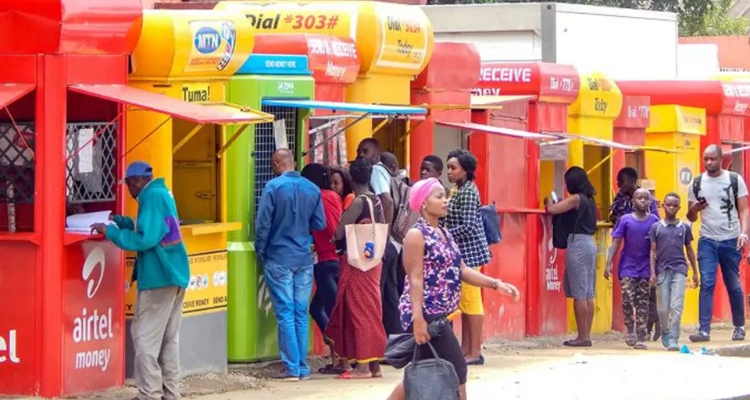
The full restoration of social media platforms in Uganda has finally been confirmed, ending a period of digital isolation that cost the country’s leading mobile operators an estimated $7 million (UGX 24 billion) in lost data revenue.
Following a series of government-mandated internet disruptions surrounding the January 15 general elections, the nation’s digital gates were fully reopened on Monday.
The announcement was made via the social media platform X by Uganda’s Chief of Defence Force, General Muhoozi Kainerugaba, who stated, “We are releasing all social media today. I thank all the great people of Uganda for their support and cooperation throughout this electoral season.”
He further maintained that the restrictions were a necessary measure to ensure order during the sensitive polling period.
A phased return to connectivity
The road back to full connectivity has been a gradual one. Although the Ugandan Communications Commission (UCC) initially ordered a total blackout two days prior to the election, the government began a phased reopening last Sunday.
While general web browsing and emails were reinstated at that time, social media and over-the-top (OTT) messaging services remained blocked for an additional week.
UCC Executive Director Nyombi Thembo defended this staggered approach, explaining that platforms remained restricted “to prevent misuse that could threaten public order.”
Consequently, it took 13 days from the initial order for citizens to legally regain access to WhatsApp, Facebook, TikTok, and Instagram without the use of specialized tools.
The heavy price of silence
While the government focused on security, the economic repercussions were immediate and severe.
According to reports from the local dailies, the four-day total shutdown alone wiped out roughly $7 million in revenue for MTN and Airtel.
Beyond the balance sheets of these telecom giants, the restrictions sent shockwaves through the wider economy.
For instance, local traders and digital creators who rely on social media for marketing and sales saw their primary revenue streams vanish overnight.
Furthermore, mobile money services were temporarily suspended, though MTN confirmed these were reinstated two days after the first phase of restoration.
In addition, users reported significant hurdles in basic communication and accessing essential online news portals.
A recurring regional dilemma
The events in Uganda underscore a growing and contentious trend across the continent, where the use of “kill switches” to manage political tension often clashes with the aspirations of a burgeoning digital economy.
For operators like MTN and Airtel, these shutdowns represent a significant operational risk.
MTN Uganda confirmed to its customers on Monday that all major platforms were back online, yet the financial scar of the $7 million loss remains.
As mobile connectivity becomes the backbone of African commerce and governance, analysts warn that the cost of such digital restrictions will only continue to rise, affecting not just the bottom line of corporations, but the daily survival of the digital-first workforce.

 in lost data revenue.)