I recently reached out to a Kenyan friend who runs a cross-border trade business in Kampala via WhatsApp, only to be met with total silence.
When we finally connected, he confirmed the reports: “During the heat of the elections, the digital lights completely went out.”
While the “on” switch has finally been toggled back for basic browsing, the digital heartbeat of the country—its money—remains flatlined.
The Great Reconnection (With a Catch)
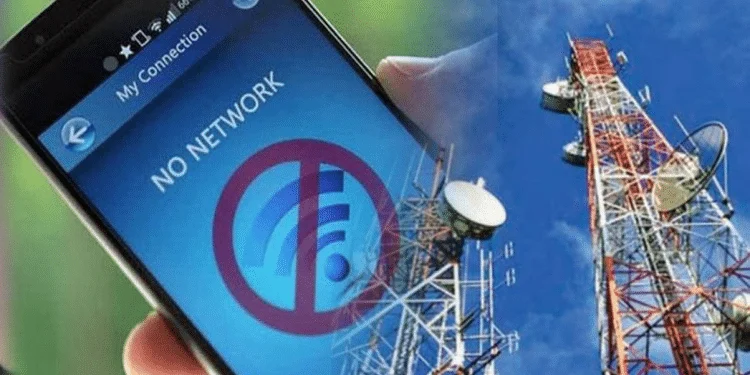
Following the conclusion of its general elections, Uganda has officially restored public internet access,reports states.
However, the celebration is muted. Despite the return of the web, key digital services—most notably MTN and Airtel mobile money—remain frustratingly unavailable, prolonging a period of deep disruption for millions of users.
Earlier this week, the Ugandan Communications Commission (UCC) confirmed it had directed providers to restore nationwide connectivity after a grueling five-day shutdown.
This restriction, imposed ahead of the January 15 elections, was framed by the government as a necessary measure to curb misinformation and maintain security.
A “Phased” Return to the Online World
The restoration is far from a return to normalcy. UCC Executive Director Nyombi Thembo explained that the gradual comeback was a deliberate strategy.
“While general web browsing and access to essential online services have resumed, social media and over-the-top (OTT) messaging platforms remain blocked to ‘safeguard against misuse that could threaten public order,” he noted.
Consequently, while news websites and educational portals are live, popular social networks used for political mobilization remain behind a digital wall.
This selective blocking was independently confirmed by the monitoring group NetBlocks, which noted that restrictions were still in effect.
Financial Gridlock: The Mobile Money Blackout
Perhaps more damaging than the social media silence is the continued suspension of financial platforms. For many Ugandans, MTN Mobile Money and Airtel Money are not luxuries—they are the primary way to pay for food, transport, and emergency bills.
In response to a wave of complaints on X, MTN Uganda confirmed that services remain down due to a government directive, noting there is currently “no defined timeline for full restoration.”
The High Cost of Bypassing the Law
As frustration boils over, many have turned to Virtual Private Networks (VPNs) to leap over the digital fence. However, the authorities are watching.
Mr Thembo issued a stern warning, claiming the regulator now has the technical prowess to detect such tools.
“If you bypass these restrictions and use the bypass to break the law, don’t be surprised that we may attack you, and your device may not go on the network again,” Thembo warned, threatening to permanently disconnect offenders.
A Political Victory Amidst Digital Silence
This digital blackout served as the backdrop for a significant political milestone.
President Yoweri Museveni was declared the winner of the election, securing another five-year term to extend his rule to over four decades.
The official tally placed Museveni at 72% of the vote, while opposition candidate Bobi Wine trailed at 25%.
While the political dust settles, the economic dust is just beginning to rise.
Critics argue that these shutdowns—including the pre-election suspension of Elon Musk’s Starlink—undermine trust in Uganda’s tech ecosystem. For now, the digital economy remains only partially functional, waiting for the day when both the conversation and the currency can flow freely again