


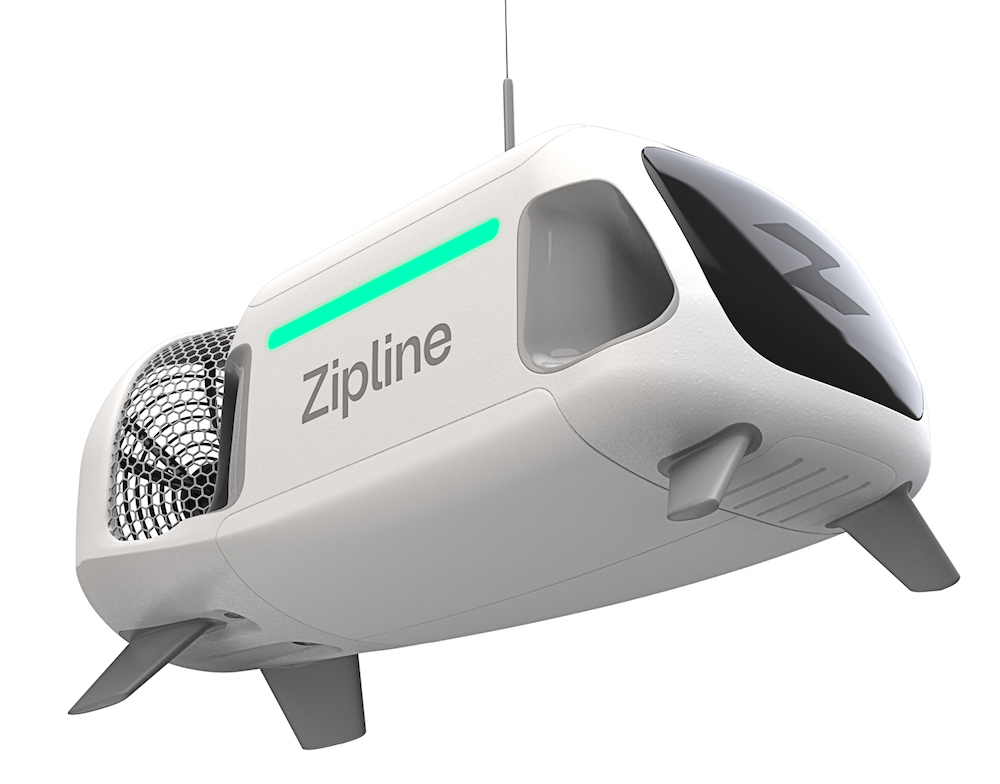
Zipline, an autonomous drone logistics firm, has surpassed two million commercial deliveries, marking a milestone for what it says is the world’s largest autonomous delivery system, as the company accelerates expansion in the United States.
Following the milestone, Zipline said on Tuesday it had raised more than $600 million in new funding, lifting its valuation to $7.6 billion.
The company said the capital would be used largely to scale its domestic home delivery service, building on its long-standing role in international medical logistics.
U.S. rollout gathers pace
Zipline plans to launch operations in Houston and Phoenix early in 2026, with additional major U.S. metropolitan areas to follow later in the year.
In the new markets, eligible customers will be able to order tens of thousands of items, including retail and healthcare products, through the Zipline app. The company said deliveries could arrive in as little as 10 minutes, with a median flight time of about three minutes, using its fully autonomous system.
Zipline said U.S. deliveries have grown by roughly 15% week over week over the past seven months, signalling what it described as a shift from experimental use cases to everyday logistics infrastructure.
The pace of adoption has also quickened. Zipline said its first site in Dallas took about 10 weeks to reach 100 deliveries per day, while newer locations have achieved the same volume in just two days.
The company added that it exceeded its third-quarter daily delivery target by about 30% and reached its fourth-quarter goals six weeks ahead of schedule. Zipline hit 1 million commercial deliveries in the US in May 2024.
The same year, the Zipline received $150 million from the U.S. Department of State to expand its life-saving artificial intelligence and robotics infrastructure across Africa.
Investors bet on autonomous logistics
The latest funding round included participation from Fidelity Management & Research Company, Baillie Gifford, Valor Equity Partners and Tiger Global.
Antonio Gracias, chief executive of Valor Equity Partners, said autonomous aircraft delivery was poised to become a standard part of logistics over the next decade.
Zipline co-founder and chief executive Keller Rinaudo Cliffton said demand for autonomous delivery was accelerating rapidly as performance improved.
“When deliveries are faster, cleaner, safer and cheaper, demand isn’t just high, it grows exponentially,” Rinaudo Cliffton said in a company blog post, adding that autonomous logistics would become a routine part of daily life in several U.S. states in 2026.
Safety and sustainability claims
Zipline says its electric, zero-emission aircraft have flown more than 125 million autonomous commercial miles and delivered over 20 million items, with no serious injuries reported.
By comparison, U.S. road safety data suggest that driving a similar distance would typically result in hundreds of crashes and injuries and at least one fatality.
The company says shifting lightweight deliveries from roads to air reduces congestion and emissions, and that its medical delivery operations globally help save more than 10,000 lives per year.
Deep roots in Africa
Zipline is widely regarded as a pioneer of medical drone logistics in Africa, where it operates what it says is the world’s first and largest autonomous drone delivery network integrated into national public health systems.
As of early 2026, the company operates in five African countries.
Rwanda, where Zipline launched its first operations in 2016, remains the most comprehensive network, covering nearly the entire country with deliveries of blood, vaccines and animal health products. Rwanda is also expected to launch Zipline’s first home delivery service in Kigali in 2026 using its newer “Platform 2” drones.
Ghana hosts Zipline’s largest African network, with multiple distribution centres serving thousands of health facilities nationwide.
In Nigeria, Zipline operates in several states, including Kaduna, Bayelsa and Cross River, with a focus on expanding equitable healthcare access and supporting vaccination of so-called “zero-dose” children.
In Kenya, the company primarily delivers HIV treatments, vaccines and essential medicines to remote health facilities.
Côte d’Ivoire became the first Francophone African country to adopt Zipline’s services and has recently scaled operations to reach more than 1,000 health centres nationwide.
With fresh funding in hand and rapid uptake in the United States, Zipline is betting that autonomous drone delivery is moving from the margins of logistics into the mainstream.