


 has revealed a significant technological shift in its electoral preparations, announcing a new digital platform designed to streamline voter registration.)
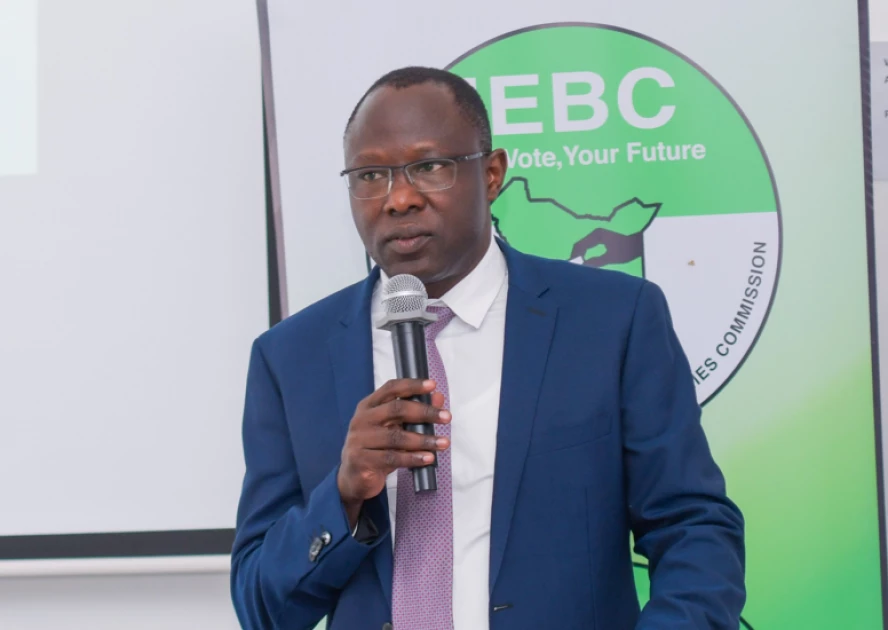
The Independent Electoral and Boundaries Commission (IEBC) has revealed a significant technological shift in its electoral preparations, announcing a new digital platform designed to streamline voter registration.
Speaking at a prayer breakfast meeting in Nairobi on Wednesday, IEBC Chairperson Erastus Ethekon explained that the initiative is primarily aimed at capturing the youth vote by moving the administrative burden of the process online.
Under the new system, prospective voters will be able to complete documentation via a dedicated web link before visiting a physical centre solely for biometric capture.
“We are introducing a digital platform where you have a link, a pre-registration form, you can fill all your details,” Mr Ethekon stated, describing the hybrid approach. “All you need to do is walk into the nearest Huduma or registration centre and give your fingerprints.”
According to the Commission, this technical roadmap is central to its ambitious target of registering 6.3 million new voters, specifically those who have recently turned 18 and previously unregistered citizens, while also facilitating transfers for those wishing to move their polling stations.
Despite the innovative pivot, the Commission is navigating a challenging landscape marked by low initial turnout.
While the first phase recorded only about 200,000 new voters, Mr Ethekon insisted the Commission remains undeterred, with plans to heighten grassroots mobilisation.
Consequently, a mass voter registration drive is scheduled for March, during which registration centres will be deployed at the village level.
By leveraging this combination of high-tech “pre-registration” and physical outreach, the IEBC expects to grow the current voter roll from 22.1 million to 28.4 million by the 2027 General Election.
However, the ambition to create a “best-in-history” election is facing significant fiscal headwinds.
In November last year, the Commission requested 61.7 billion Kenyan Shillings from Parliament to fund the electoral cycle, but this figure was subsequently slashed to 57.3 billion Shillings.
Mr Ethekon cautioned that such a reduction is a critical impediment that could “incapacitate” the body’s ability to reach vulnerable persons and those in areas lacking digital media.
Furthermore, he warned that the shortfall would force a scaling down of personnel at both polling stations and the national tallying centre, potentially disrupting the integrity of the overall process.
Beyond the financial constraints, the IEBC is also grappling with unmet legal reforms, including the persistent challenge of the two-thirds gender rule.
While the technological framework for a seamless election is being laid, the Chairperson noted that the Commission’s ultimate success depends on bridging these legislative gaps and securing adequate funding.
As the Commission strives to ensure the voter roll meets a high integrity threshold, Mr Ethekon has called upon the media, clergy, and political stakeholders to support the mobilisation efforts required to turn these digital ambitions into a democratic reality.