



Investment in African startups surged in February 2026, with the continent’s tech ecosystem securing $346.9 million in a month defined by a pivot toward green technology and electric mobility.
According to a funding report by Africa: The Big Deal, the total marks a dramatic recovery from the $174 million recorded in January.
“This strong rebound suggests that while traditional financial services remain a pillar of the economy, investor appetite is rapidly diversifying into renewable energy and climate-focused infrastructure.”
Despite a growing spread of deals across the continent, the “big four” markets—South Africa, Egypt, Nigeria, and Kenya—continue to attract the lion’s share of capital.
Southern Africa emerged as the top-performing region, accounting for $127.65 million.
The bulk of this was concentrated in South Africa, where $116.4 million was raised.
Key Deal include renewable energy firm, Solar Africa which secured a massive $94 million round to expand its infrastructure.
Other Notables are Fintech and climate startups like Lula and Talk360 that also bolstered the region’s figures.
In West Africa, which ranked second with $79.5 million, the spotlight shifted away from Nigeria toward Côte d’Ivoire.
The Ivorian mobility startup GoCab raised $45 million, a signal of growing confidence in Francophone Africa’s urban transport solutions.
Meanwhile, Nigeria secured $23.5 million, notably led by a $22 million investment in defense technology.
East and North Africa
East Africa followed closely with $73 million in total funding.
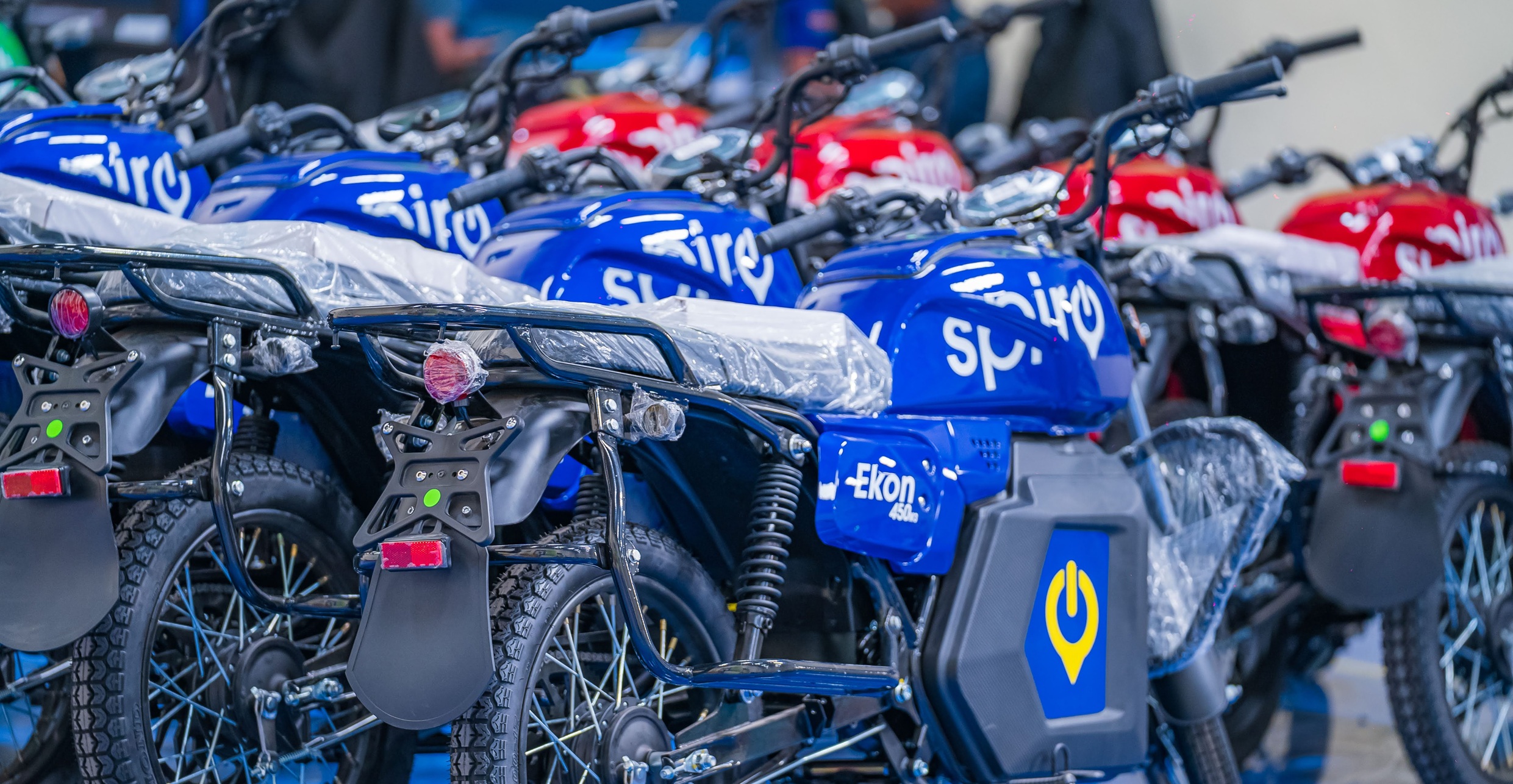
Kenya dominated this region by securing $68 million, a figure propelled by electric mobility firm Spiro, which raised $57 million.
Other Kenyan investments flowed into health supply chain firm Axmed and mobility platform Arc Ride, while Ethiopia’s Lovegrass added $5 million to the regional tally.
In North Africa, Egypt maintained its dominance by bringing in $62.6 million of the region’s $66.76 million total.
Breadfast, an online grocery platform, and Flextock, a logistics firm, were the primary drivers of Egyptian growth.
Morocco also saw activity in the legal tech and fintech sectors.
While fintech has historically been the “darling” of African venture capital, February’s data reveals a significant structural shift in where the money is going.
“The distribution of funding across sectors suggests a broader diversification of Africa’s technology ecosystem beyond fintech alone,” the report noted.
Beyond the top four sectors, significant capital was also deployed into defense technology ($22 million), e-commerce logistics ($12.6 million), and agritech ($6.5 million).
The transition from January’s modest figures to February’s windfall signals “stronger momentum” for the year ahead. Analysts suggest that the continent is becoming a central player in global climate transition strategies, evidenced by the heavy backing of electric vehicles and solar power.
Furthermore, while funding remains concentrated in major hubs, the geographical spread is widening.
If the current trend in climate tech and digital commerce holds, experts believe 2026 could deliver the most “balanced funding landscape” seen in the history of the African startup scene.