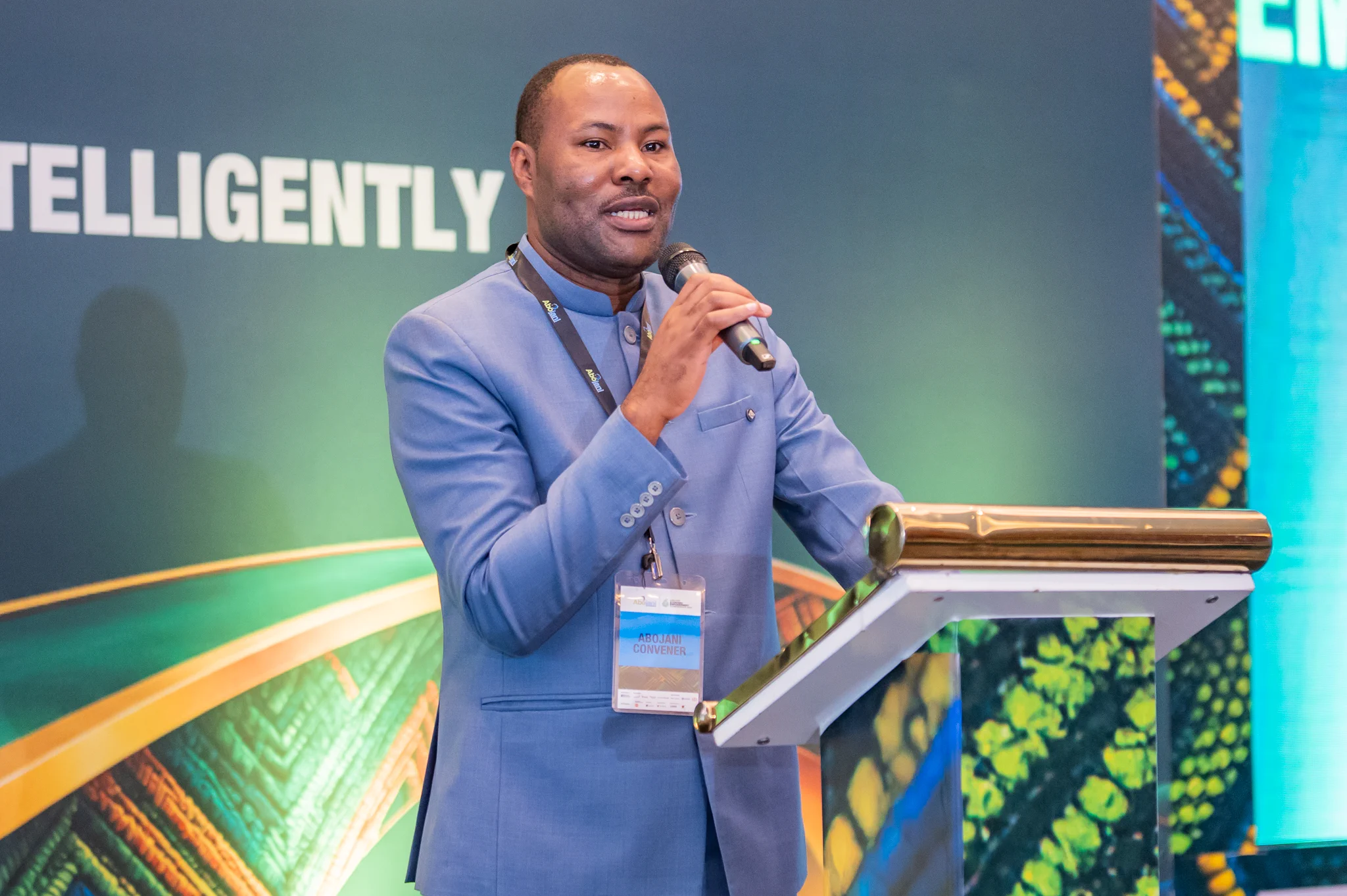
Senior executives from Absa Asset Management and NCBA have urged Kenyan investors to diversify beyond interest-bearing investments and increase their exposure to equities as the country’s financial industry seeks to deepen retail participation in capital markets and promote long-term wealth creation.
Speaking at the sixth Abojani Economic Empowerment Conference in Nairobi on Saturday, investment leaders said financial literacy, disciplined investing and portfolio diversification would be critical to helping households build and preserve wealth amid changing market conditions.
Elizabeth Irungu, Chief Executive Officer of Absa Asset Management, challenged investors to look beyond returns from interest-bearing products and consider the wealth-building opportunities offered by ownership in listed companies.
“Since we’re talking about intelligent investment, please don’t follow interest rates only. The returns are not only interest rates,” Irungu said.
“If you’re going to make a market and make it big, honestly, we’ve got to be in equities,” she added, encouraging investors to explore opportunities in both Kenyan and international stock markets.
Her remarks come as investment managers seek to encourage more individuals to participate in capital markets rather than concentrate their savings in traditional fixed-income instruments.
Equities offer investors opportunities for capital appreciation and dividend income, although they also expose portfolios to market volatility and potential losses.
Raphael Agung’, Group Director of Global Markets at NCBA, called for greater financial education, saying investors needed a deeper understanding of financial products and market dynamics before committing their money.
“Learn intricately and have an insatiable curiosity for investment knowledge,” Agung’ said.
The discussions highlighted the importance of balancing potential returns against investment risks, particularly as individuals gain access to a wider range of financial products and investment platforms.
Robert Ochieng, Chief Executive Officer and Co-founder of Abojani Investment, said investors should avoid concentrating their wealth in a single business, profession or asset class.
“Your primary source of wealth can also be your major source of weakness, so diversify your investments,” Ochieng said.
Abojani, which began as a small investment education community of 50 people, has expanded to more than 4,000 members through social media, referrals and financial literacy programmes.
The organisation has conducted 82 investment masterclasses, reflecting growing interest in financial education and personal wealth management.
“Abojani started as a group where we called and sent messages to 50 people. Today it is a community of 4,000 members. That is the power of community and social media,” Ochieng said.
The conference, held at the Radisson Blu Hotel in Nairobi’s Upper Hill district under the theme Invest Intelligently, brought together executives from banking, insurance, asset management, investment banking and technology.
Risper Ohaga, Chief Executive Officer of APA Apollo Group, said successful investing required discipline and independent decision-making rather than following short-term market trends.
“Intelligent investing is about having the discipline to stay in the course, not to move up and down because people are doing it,” Ohaga said.
She also emphasised the importance of protecting accumulated wealth against unexpected financial shocks.
“Create wealth, but also protect the wealth. Stuff happens and when stuff happens, you need to be able to have what you can fall back to,” she said.
The discussion extended beyond investment returns to retirement planning, insurance and intergenerational wealth transfers.
Jacqueline Karasha, Chief Executive Officer of SanlamAllianz Kenya, urged working Kenyans to begin preparing for retirement early rather than postpone saving until later in their careers.
“Retirement is vital as old age is inevitable. In this time and age, you are doing yourself a disservice by not investing for your rainy day,” Karasha said.
Muathi Kilonzo, Managing Director of NCBA Investment Bank, said succession planning should form part of every long-term investment strategy, warning that poor asset structuring could create unnecessary financial burdens for beneficiaries.
“When we talk about wealth, all of us need to think about succession planning,” Kilonzo said.
He noted that although Kenya does not impose inheritance tax, the way assets are held and transferred could have other tax implications for beneficiaries.
Jackson Kiminje, Business Development Leader for Retail, SACCOs and Chamas at the Nairobi Securities Exchange, emphasised the importance of sustained retail participation in the country’s capital markets.
He said investors needed to approach wealth creation as a long-term process requiring consistency and a clear investment strategy.
Greater participation by individual investors could broaden the domestic investor base and support capital formation by businesses seeking funding through public markets.
The conference also examined real estate investment, entrepreneurship, digital investment platforms and the economic outlook for 2027.
Representatives from CIC Asset Management, Apollo Asset Management, I&M Capital, Craft Silicon and other financial institutions participated in discussions on investment opportunities, risk management and financial decision-making.
The event underscored a broader challenge for Kenya’s investment industry: translating growing public interest in financial markets into informed, diversified and sustainable investment decisions.
For Abojani, the expansion of its community from 50 to more than 4,000 members illustrates the demand for accessible investment education as more Kenyans seek alternatives for building wealth beyond conventional savings products.