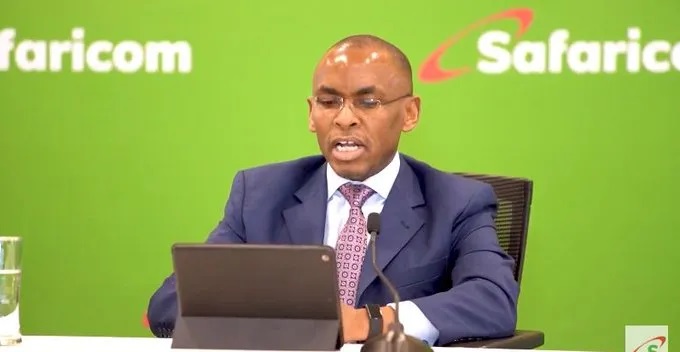
Kenya’s parliament has approved the sale of a 15% government stake in Safaricom to South Africa’s Vodacom in a deal valued at about 240 billion shillings ($1.6 billion), one of the country’s largest privatisation moves in recent years.
The National Assembly on Tuesday backed a joint report by the Finance and National Planning Committee and the Public Debt and Privatisation Committee, paving the way for the National Treasury to execute the transaction from April, subject to regulatory approvals.
The government expects to raise around 200 billion shillings ($1.33 billion) from the equity sale, alongside 40.2 billion shillings ($268 million) in upfront payments structured as advance dividends. The proceeds are earmarked for the National Infrastructure Fund to finance transport, energy and digital infrastructure projects.
Safaricom, East Africa’s most profitable company, has a market capitalisation of roughly 800 billion–900 billion shillings ($5.3 billion–$6.0 billion), implying the 15% stake sale aligns broadly with prevailing market valuations, according to the parliamentary committee.
The Kenyan government currently holds about a 35% stake in Safaricom. A 15% divestment would reduce its shareholding to roughly 20%, while Vodacom — already the largest shareholder with a stake of about 35% — would increase its ownership and strengthen control of the telecoms operator.
The deal structure includes conditions aimed at protecting public interest, including commitments to preserve jobs, maintain Safaricom’s existing operating model and ensure compliance with Kenya’s data protection and cybersecurity laws.
Lawmakers also directed that 100% of the proceeds be ring-fenced for infrastructure spending, with oversight mechanisms to track utilisation of the funds.
The approval came despite objections linked to an ongoing court case challenging the transaction. Suba South MP Caroli Omondi questioned the legality of proceeding while the matter is under judicial review.
National Assembly Speaker Moses Wetang’ula ruled that parliament could proceed, stating it is not a party to the case. Majority Leader Kimani Ichung’wah said the concerns had already been addressed during earlier debate.
Safaricom, which serves more than 40 million customers across Kenya and Ethiopia and generates annual revenues exceeding 300 billion shillings ($2.0 billion), has defended the transaction in court. The company warned that halting the deal could unsettle capital markets and dent investor confidence.
If completed, the transaction would rank among Kenya’s largest capital market deals in over a decade and significantly deepen Vodacom’s strategic position in East Africa’s telecoms sector.