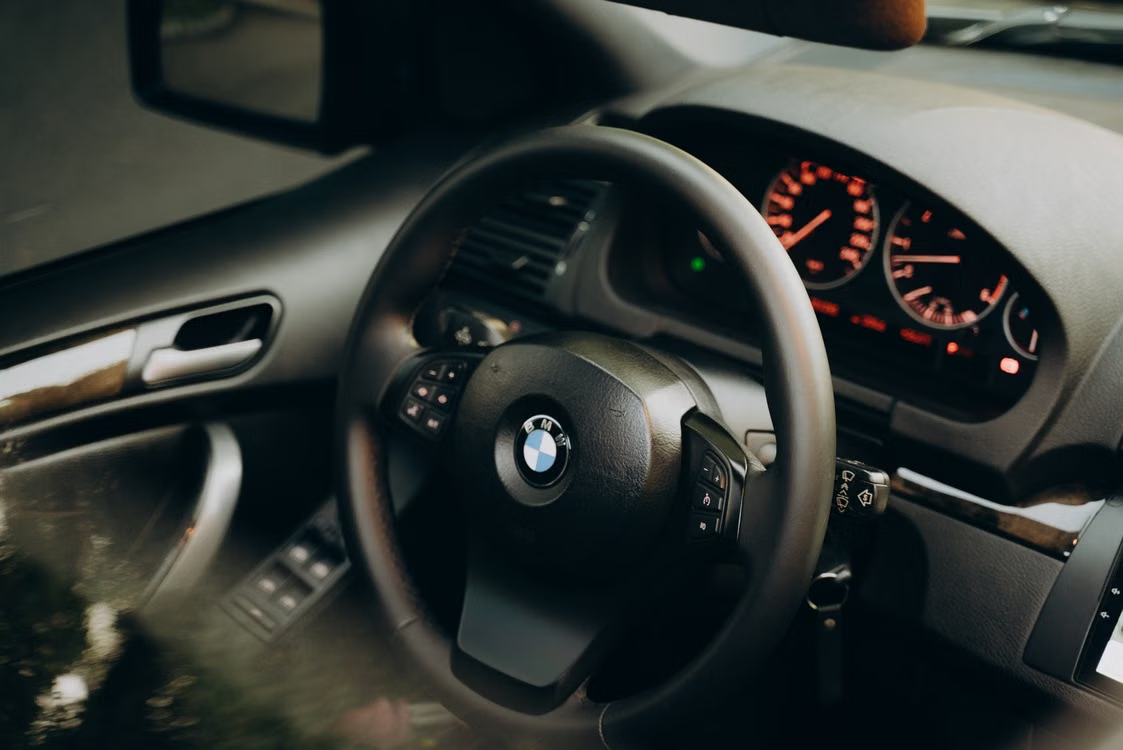
Warning lights in European cars are designed to alert drivers when the vehicle detects a potential problem. The problems may involve the engine, brakes, electrical system, fluids, or emissions components.
In a growing community like Cumming, GA, located in Forsyth County, north of Atlanta, residents regularly depend on their vehicles for commuting, running errands, and traveling. An unexpected dashboard warning can quickly become a concern, especially when daily driving puts continued wear on vehicles. These warning lights can appear for various reasons, from a weak battery or faulty sensor to low fluid levels or a developing mechanical issue.
Understanding what triggers these warnings can help drivers recognize potential problems early. They can even know when it is time to have their vehicle checked by a European car mechanic in Cumming, GA. Here’s a list of factors that cause warning lights in luxury cars.
Low Engine Oil or Other Fluid Levels
Fluids play an important role in keeping European vehicles operating properly. Low engine oil can trigger an oil warning, while insufficient coolant may cause a temperature-related warning.
Other fluids can also contribute to dashboard alerts, including brake fluid and transmission fluid. Ignoring these warnings can allow a relatively simple maintenance issue to develop into a more expensive repair.
Battery and Electrical Problems
European vehicles depend heavily on electronic systems, so battery and charging problems can produce several warning lights at once. A weak battery, failing alternator, loose connection, or damaged wiring may cause unusual electrical readings.
Sometimes, the warning lights may disappear after the vehicle is restarted, but that does not necessarily mean the underlying problem has been fixed. What you need is a reliable European car mechanic in Cumming, GA.
Faulty Sensors
Modern European cars use numerous sensors to monitor everything from engine temperature and oxygen levels to wheel speed and tire pressure. When a sensor fails or provides an inaccurate reading, the vehicle’s computer may activate a warning light.
Common examples include:
- Oxygen sensor problems
- ABS or wheel-speed sensor faults
- Coolant temperature sensor failures
- Tire-pressure sensor issues
- Mass airflow sensor problems
- Brake and Tire Problems
Warning lights can also appear when the braking or tire systems detect a problem. Worn brake pads, low brake fluid, or an ABS fault may activate a brake-related warning.
Similarly, underinflated tires, a slow puncture, or a faulty tire-pressure monitoring sensor can trigger the tire-pressure warning.
Emissions and Exhaust Issues
European cars have sophisticated emissions-control systems. Problems with oxygen sensors, catalytic converters, fuel-system components, or the evaporative emissions system can activate the check engine light. Even something as simple as a loose or damaged fuel cap may sometimes cause an emissions-related warning.
Normal Wear and Mechanical Faults
Some warning lights are ultimately caused by components wearing out with age and mileage. Spark plugs, ignition coils, belts, batteries, brake components, and other parts can eventually develop problems.
Quick Recap
- Low fluids can trigger oil, coolant, or brake warnings.
- Weak batteries and charging faults can cause multiple electrical warnings.
- Failed sensors are a common cause of dashboard alerts.
- Brake and tire problems can activate safety-related warnings.
- Emissions-system faults can trigger the check engine light.
- Normal component wear can eventually lead to warning indicators.