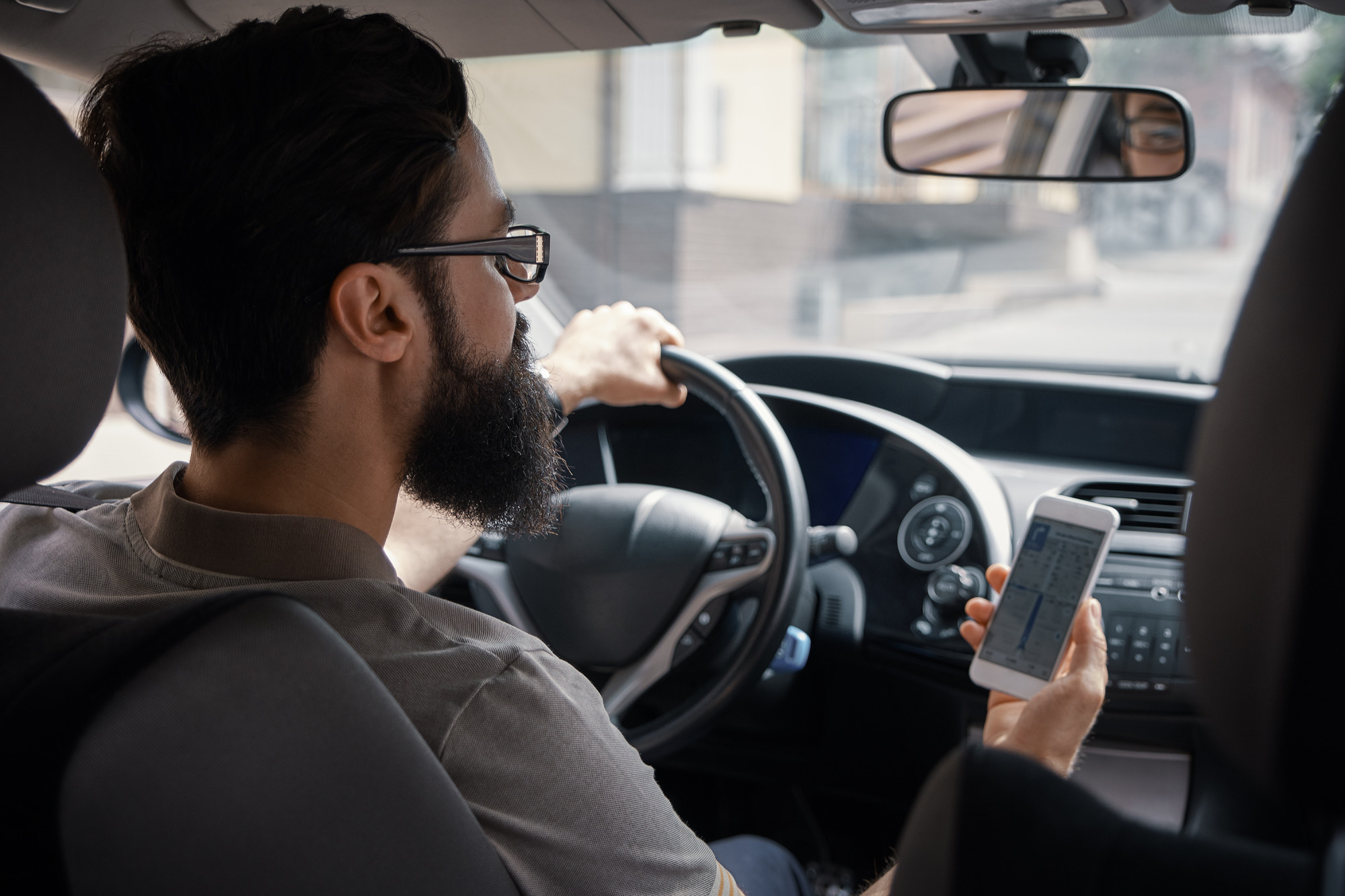
When a distracted driving accident happens, the first question is always what the driver was doing at that exact moment, and the phone gives the answer to that. It stores calls, messages, app activity, and location points with exact timestamps, and when these are matched with the time of the crash, it becomes clear whether the driver was looking at the screen instead of the road. That is how phone data helps in rebuilding the accident.
And the numbers say why this matters a lot. According to NHTSA data analyzed by the National Safety Council, 3,208 people died in distraction-affected crashes in the United States in 2024, and 14 percent of those fatal crashes involved cell phone use.
Almost every driver carries a phone today, and it keeps recording things even when the driver doesn’t realize it. So in cases of distracted driving, digital evidence has become as important as what the witnesses say, and sometimes even more.
In this article, you will get a clear idea of how a phone can be used to rebuild what really happened.
Types of Phone Data Used in Reconstruction
- Call logs: These show who called, who was called, when the call started, and how long it went on. If a call was running at the time of impact, that gives the investigators a strong starting point.
- Text and message records: The carrier records and the phone itself can show when a message was sent, received, or opened. So a message sent just seconds before the crash tells you the driver was most likely typing instead of watching the road.
- App and screen activity: Depending on the phone and its settings, there can be traces of the screen being unlocked or an app being opened. This is useful in that a driver may not have made a call or text but might still have been handling the phone.
- Location and GPS data: Here’s where the vehicle was, how fast it was moving, and the path it took. That also confirms the phone was in the moving car at the time, and that’s an important point.
- Motion and sensor data: The sensors in the phone can detect movements, such as a sudden stop or a hard jolt. These readings are compared with the phone activity to see which one came first.
How Experts Align the Data
Phone data alone doesn’t say much. It becomes useful only when it is lined up with the exact moment of the crash, and that is where the forensic experts spend most of their time.
The first thing is to fix the time of the crash. This is usually taken from the vehicle’s event data recorder, the 911 call log, or a nearby traffic camera. Once a reliable time is set, every phone entry is measured against that.
The next thing is checking the clocks. Phones, carriers, and cars don’t always keep time in the same way, and small differences or time zone issues can change the whole picture. So the experts correct these gaps so that a text recorded at 4:12 pm is actually 4:12 pm in every record.
After that comes cross-checking. A carrier record may show that a message was sent, and the phone may show that it was typed a few seconds earlier. When two or more sources say the same thing, the evidence becomes much stronger in court.
→ A phone record proves there was activity on the device, but it doesn’t prove by itself who was holding it, so other evidence has to support it.
In Texas, Transportation Code Section 545.4251 makes it an offense to read, write, or send an electronic message while driving, unless the vehicle is stopped. So, if a message was sent while the car was moving, it can directly link the driver to a violation, though hands-free use and navigation are treated differently.
Things to Note
- Ask for the phone records to be preserved early, as the data can be overwritten or deleted.
- Carrier records show activity, but not always who used the phone.
- Timestamps have to be checked carefully against the crash time.
- Hands-free and navigation use may be allowed, so context matters.
- Phone data works best along with vehicle data and witness accounts.