


 this year as organisers deepen)
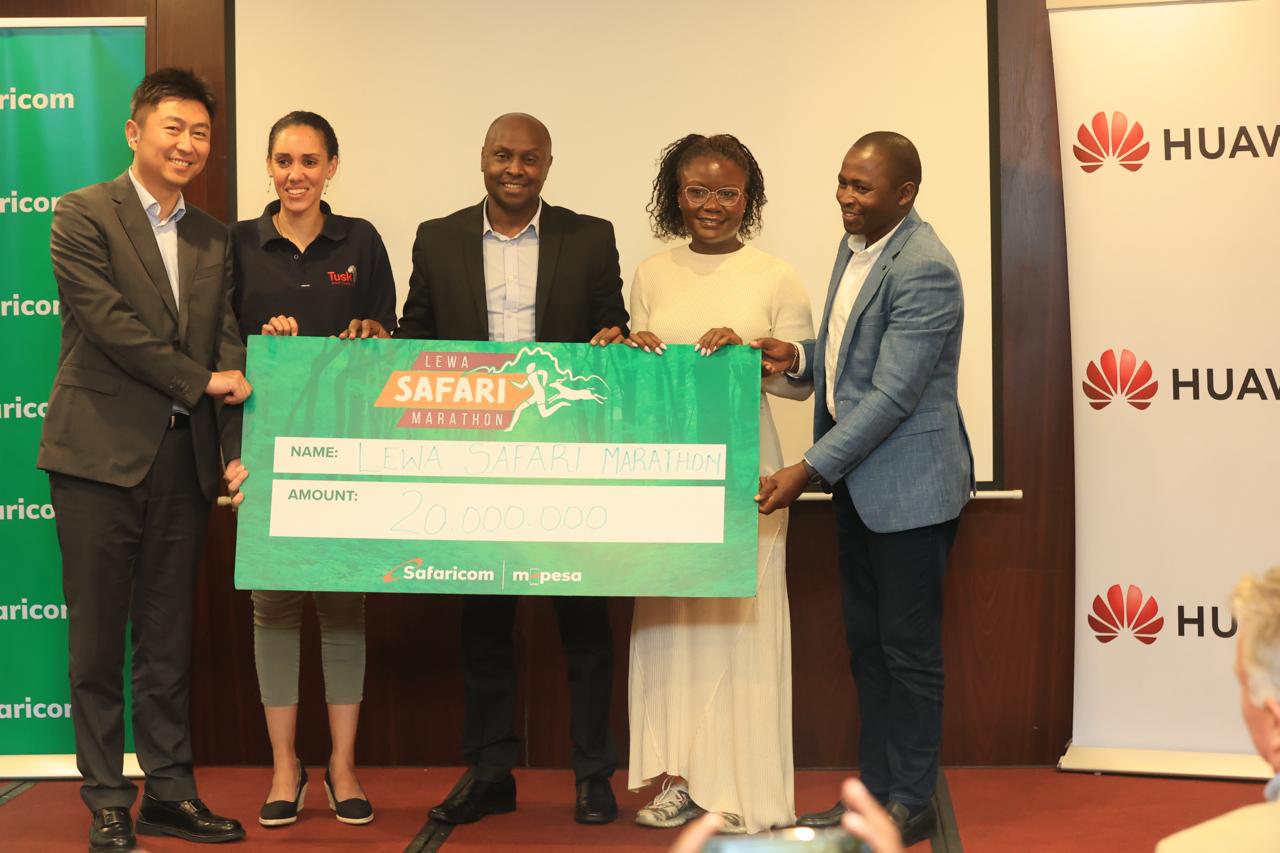
Kenya’s flagship conservation race, the Lewa Safari Marathon, is targeting more than KSh15 million ($100,000) this year as organisers deepen the use of technology and corporate backing to protect endangered wildlife and support rural communities.
The marathon, held annually at Lewa Wildlife Conservancy, has raised KSh1.3 billion since its launch in 2000, funding conservation programmes that have helped double populations of hawksbill turtles and significantly grow numbers of Grevy’s zebras and rhinos.
Organisers Tusk and Lewa Wildlife Conservancy said this year’s edition, scheduled for June 27, is expected to draw hundreds of participants from dozens of countries, with international entries already open and regional registrations beginning March 27.
Beyond conservation, funds raised have supported over 40,000 clinic visits, education programmes and rural enterprises, including pastoralist and women-led businesses, underscoring the event’s role as a hybrid model for conservation financing and community development.
Corporate sponsors are increasingly embedding technology into conservation efforts tied to the marathon. Safaricom said it will contribute KSh10 million this year while enabling digital connectivity across the conservancy to support wildlife monitoring and protection.
“As a purpose-led technology company, we are enabling conservation through connectivity,” said Peter Ndegwa, adding that digital tools are helping improve surveillance and response to wildlife threats.
Huawei said its long-term involvement reflects a broader push to apply digital infrastructure and innovation to environmental protection.
“Huawei is delighted to have been a long-standing supporter of the Lewa Safari Marathon… an initiative that closely aligns with our #Tech4All commitment to applying technology to solve some of the world’s most pressing challenges,” said Jason Feng Shen. “We are proud to continue supporting this remarkable event with innovative solutions that help advance conservation efforts for future generations.”
The race, which includes full and half marathons, a 10K and a children’s run, has attracted more than 25,000 runners from over 40 countries, including elite athletes such as Eliud Kipchoge, Paul Tergat and Catherine Ndereba.
Recognised among the world’s top amateur races by Runner’s World, the event is staged across savannah, riverbanks and woodland terrain, with runners often sharing the course with wildlife.
Lewa, a UNESCO World Heritage Site, hosts more than 70 mammal species and over 500 bird species, and remains one of Kenya’s most important conservation areas, particularly for black rhinos and the endangered Grevy’s zebra.
Funds from the marathon are distributed to a network of conservation organisations including Grevy’s Zebra Trust, Big Life Foundation and Mount Kenya Trust, among others.