
A new philanthropic investment vehicle, the Africa Jobs Fund (AJF), has launched with an ambitious mandate to mobilise $100 million to back companies capable of significantly raising incomes across Sub-Saharan Africa.
Housed under Renaissance Philanthropy and led by Wasoko founder Daniel Yu, the fund will focus on two sectors it identifies as the most effective pathways out of poverty: export manufacturing and international labour mobility. Through these channels, AJF aims to generate more than $50 billion in income gains for African workers while doubling the lifetime earnings of at least 250,000 low-income individuals.
The launch comes against a stark backdrop. By 2040, Africa is projected to host around 600 million of the world’s extreme poor, while formal job creation lags at roughly 3 million positions annually—far below what is needed to absorb a rapidly growing workforce.
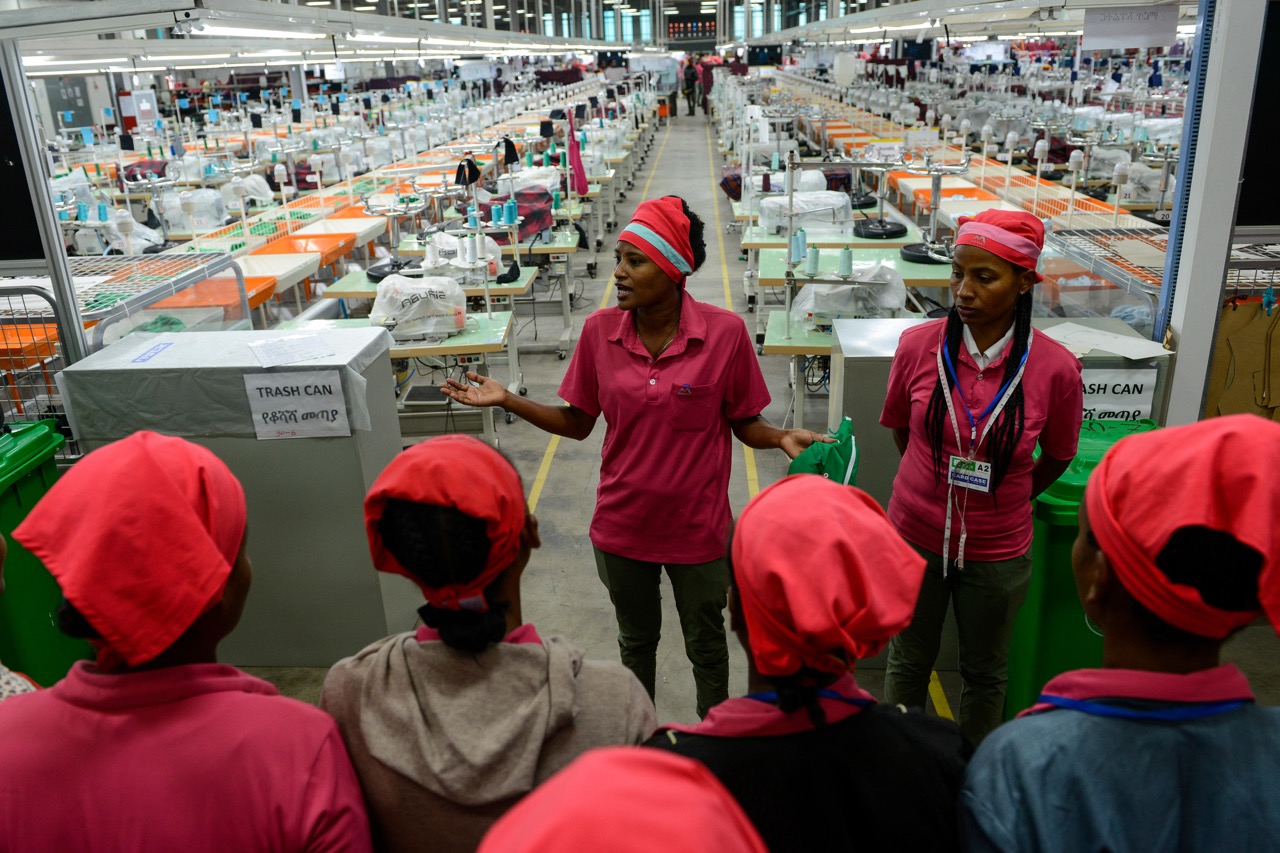
AJF’s strategy centres on backing early-stage, high-impact companies that can create jobs at scale but often struggle to attract commercial capital due to high upfront costs. In export manufacturing, this includes expenses tied to worker training, supply chain development and securing international buyers. The fund aims to de-risk these early investments, paving the way for larger pools of private capital to follow.
The opportunity, according to AJF, is substantial. African manufacturing wages are increasingly competitive with Asia, while preferential trade access to major markets such as the United States, European Union and Gulf Cooperation Council strengthens the continent’s export potential. For workers, transitioning from subsistence agriculture to manufacturing can increase productivity—and income—by as much as fivefold.
The second pillar, international labour mobility, targets a global imbalance in workforce supply and demand. More than 15 million people migrate annually to high-income countries, a figure expected to rise sharply as ageing populations fuel labour shortages in sectors such as healthcare, logistics and skilled trades.
For African workers, the income differential is significant: individuals earning roughly $2,000 annually in informal roles can earn upwards of $40,000 abroad. Yet barriers including high recruitment fees, opaque hiring processes and inadequate training limit access. AJF plans to invest in companies that formalise and scale ethical recruitment and training pathways, unlocking these migration corridors.
Yu, who previously built Wasoko into one of Africa’s largest B2B e-commerce platforms serving over 150,000 informal retailers, said the fund is designed to tackle poverty at its root.
“Persistent poverty is at its core a jobs problem,” he said. “Those same people, in the right job at home or abroad, could earn significant multiples of their income. AJF exists to back the companies that create those jobs and opportunities.”
The fund’s leadership includes Operating Partner Ben Hyman, founder of recruitment firm Talent Safari, alongside senior advisors such as Iyinoluwa Aboyeji, co-founder of Andela and Flutterwave, and Samantha Power, former USAID administrator and U.S. ambassador to the United Nations.
Power underscored the development impact of employment-focused interventions, noting that expanding access to better jobs remains one of the most effective tools for lifting households out of poverty.
Renaissance Philanthropy, the nonprofit incubating AJF, has rapidly built a track record in mobilising capital for targeted global challenges, catalysing more than $533 million across 22 initiatives spanning sectors including artificial intelligence, climate and health.
With a thesis-driven approach and operator-led model, AJF is positioning itself to bridge a critical gap between philanthropic capital and scalable job creation—an area many economists argue will define Africa’s economic trajectory over the coming decades.

, has launched with an ambitious mandate to mobilise $100 million)