

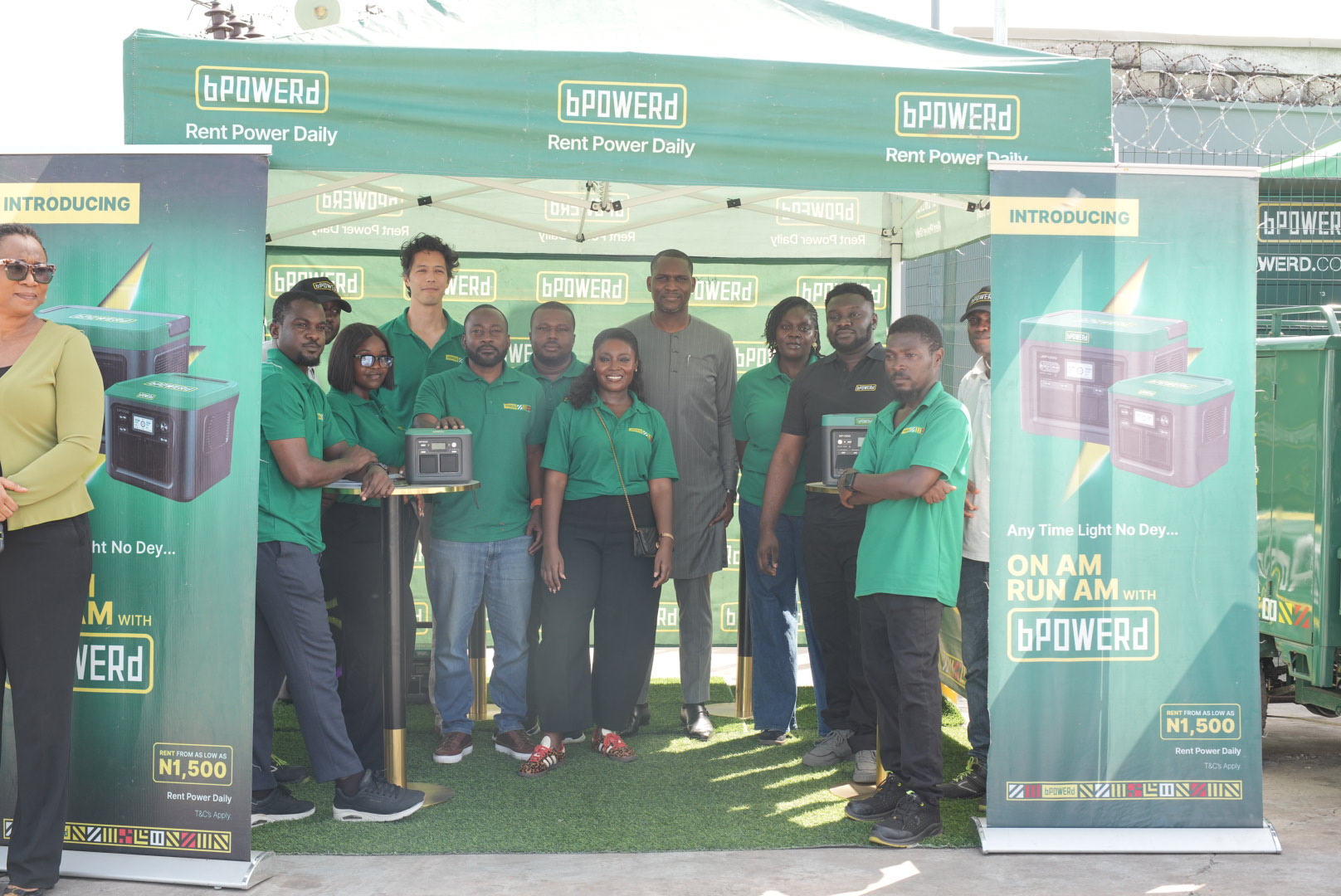
bPOWERd, a clean energy startup developed by bp Plc, has expanded into Nigeria with a solar-powered battery rental model aimed at households and small businesses grappling with high energy costs and unreliable grid supply.
The company has launched operations across seven sites in Lagos in partnership with 11Plc, operator of Mobil service stations, using the locations to distribute portable, solar-charged batteries on a pay-per-use basis. Early demand has been strong, with bPOWERd reaching 60% of its six-month rental target within seven weeks, according to the company.
Nigeria, Africa’s most populous nation, faces a persistent electricity shortfall, with about 43% of the population lacking access to the grid, according to World Bank data. For those connected, outages are frequent, driving widespread reliance on petrol generators that can cost around ₦10,000 ($—) per day for small units.
bPOWERd’s offering provides up to 12 hours of electricity for about ₦3,000 daily, positioning it as a lower-cost alternative. Customers pay a refundable ₦15,000 deposit, with rental prices starting from ₦1,500 per day for smaller units and ₦3,000 for higher-capacity batteries capable of powering appliances such as lights, fans, televisions and small business equipment.
The expansion builds on the company’s rollout in South Africa, where it recorded 125,000 rentals in its first year after launching in 2025. The Nigeria push underscores growing interest from energy firms in distributed, off-grid solutions as fuel prices rise and grid investments lag demand.
“Small businesses sit at the center of everyday economic activity, yet many continue to operate against the backdrop of unstable and expensive power,” said Managing Director Jonathan Lule. “bPOWERd is helping households and SMEs access dependable pay-per-use power they can rely on.”
bp’s West Africa head Oluwole Ogidan said the initiative also aims to create local jobs through sales roles and partnerships with solar technicians, alongside expanding access to cleaner energy.
The model enters a competitive but fast-growing market for alternative power in Nigeria, where startups and utilities are racing to serve millions seeking cheaper and more reliable electricity options.