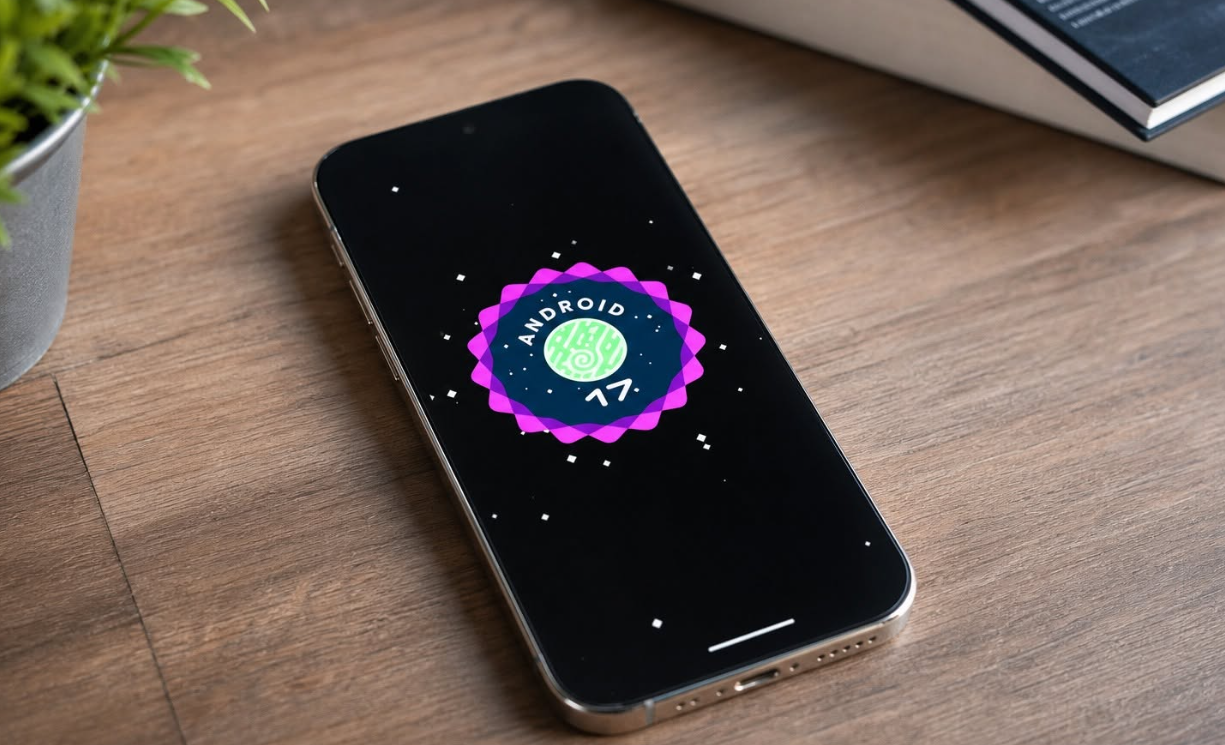
Google has begun rolling out Android 17, introducing a sweeping set of updates aimed at reshaping multitasking, mobile gaming, and device security, as the company continues to tighten integration between Android and its Gemini intelligence layer.
The update, which first ships on Pixel devices before expanding to eligible smartphones throughout 2026, centers on a more fluid, productivity-focused interface and deeper system-level controls designed to improve performance and safety.
A key feature in Android 17 is Bubbles, a new multitasking system that converts any app into a floating, resizable window. On larger devices, the feature is paired with a docked “bubble bar,” allowing users to switch between active apps with a single tap while keeping multiple workflows visible simultaneously. Google says the system is designed to make split-task behavior more natural across phones and foldables, particularly for messaging, navigation, and media consumption.
For creators and educators, Android 17 introduces Screen Reactions, a combined screen recording and front-facing camera tool that enables real-time commentary over app activity without external editing software. The feature is positioned as a response to growing demand for short-form instructional and reaction-based content.
Gaming receives a notable upgrade on foldable devices with a new foldable gaming mode, which divides the display into a gameplay area and a dedicated touch-control panel. The company has also optimized memory management to reduce frame drops and stuttering during high-performance gaming sessions, part of a broader push to improve consistency across mid- and high-tier Android hardware.
Security and privacy features also take a more prominent role in Android 17. Users gain the ability to grant apps temporary precise location access and share selected contacts instead of full address books. An enhanced “Mark as lost” function within Google’s Find Hub adds biometric locking, preventing unauthorized access or tracking shutdown even if a device passcode is compromised.
Google has also tightened device protection further by limiting PIN attempts and increasing lockout delays after repeated failures, alongside improved Live Threat Detection and expanded Advanced Protection mode designed to counter increasingly sophisticated mobile scams and malware.
Beyond headline features, Android 17 expands parental controls across all devices, introduces app-specific memory limits to improve system efficiency, and adds interface customization options such as hiding app labels and adjusting dark theme behavior. A dedicated volume control for assistant interactions is also included.
The company said select advanced devices will gain access to Gemini-powered intelligence features later this summer, as part of its broader effort to make Android more proactive in handling routine tasks and system optimization.
Android 17’s rollout comes as Google intensifies competition in the mobile ecosystem, where incremental hardware improvements have increasingly been overshadowed by software-driven differentiation and AI integration.