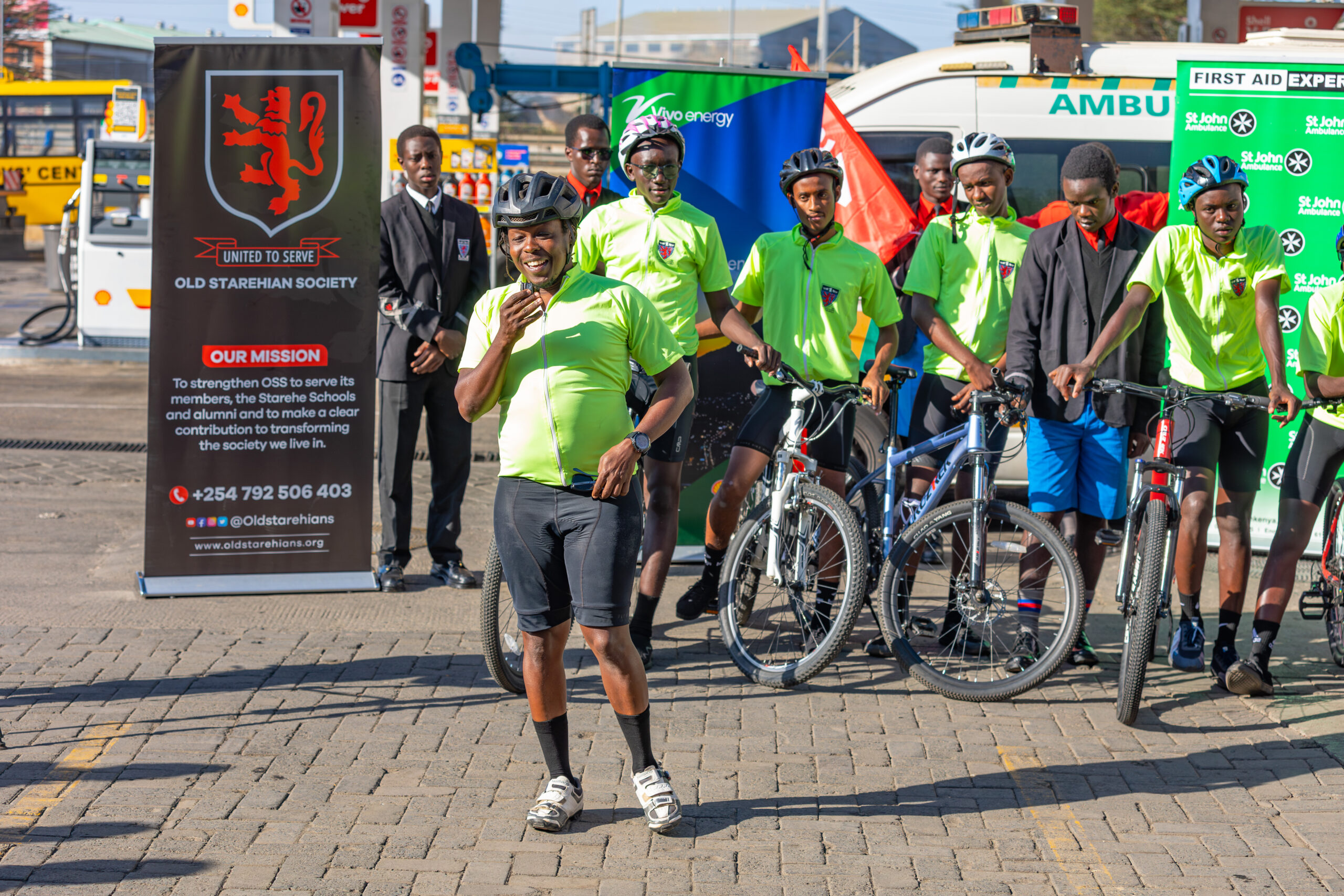
Technology is playing an increasingly important role in helping 13 Starehe Boys Centre students complete a 1,100-kilometre charity cycling challenge from Busia to Mombasa, combining endurance, digital coordination and safety support in a journey designed to raise KSh10 million for the school’s education fund.
The riders resumed the final leg of the challenge from Nairobi on Wednesday after arriving in the capital on Monday and taking Tuesday to rest and recover. They are expected to reach Mombasa on Sunday, August 16.
The challenge, known as the Dr. Geoffrey Griffin Memorial Charity Bikeathon, requires the students to cycle roughly 100 kilometres each day, making preparation, route coordination, communication and safety critical to completing the journey.
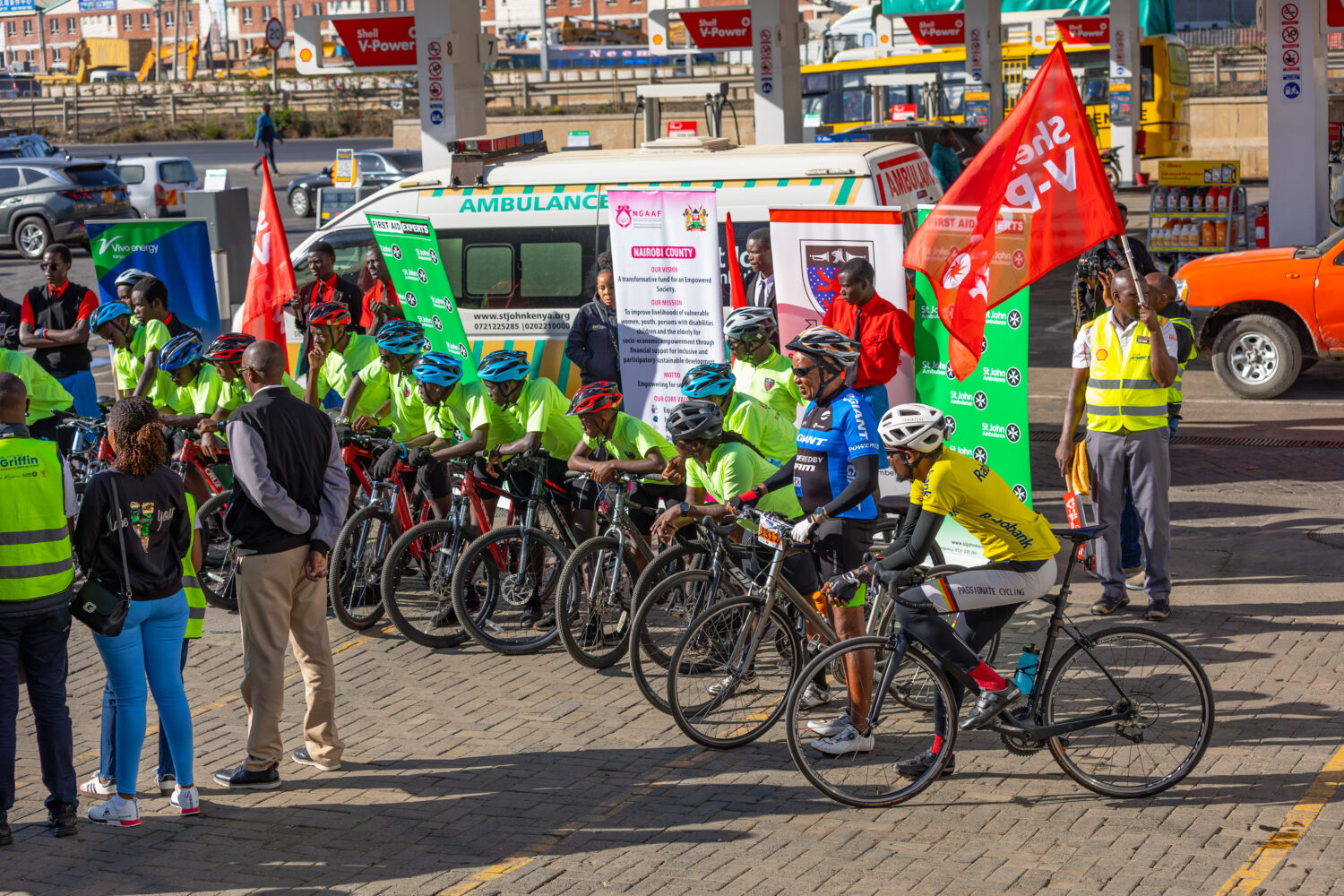


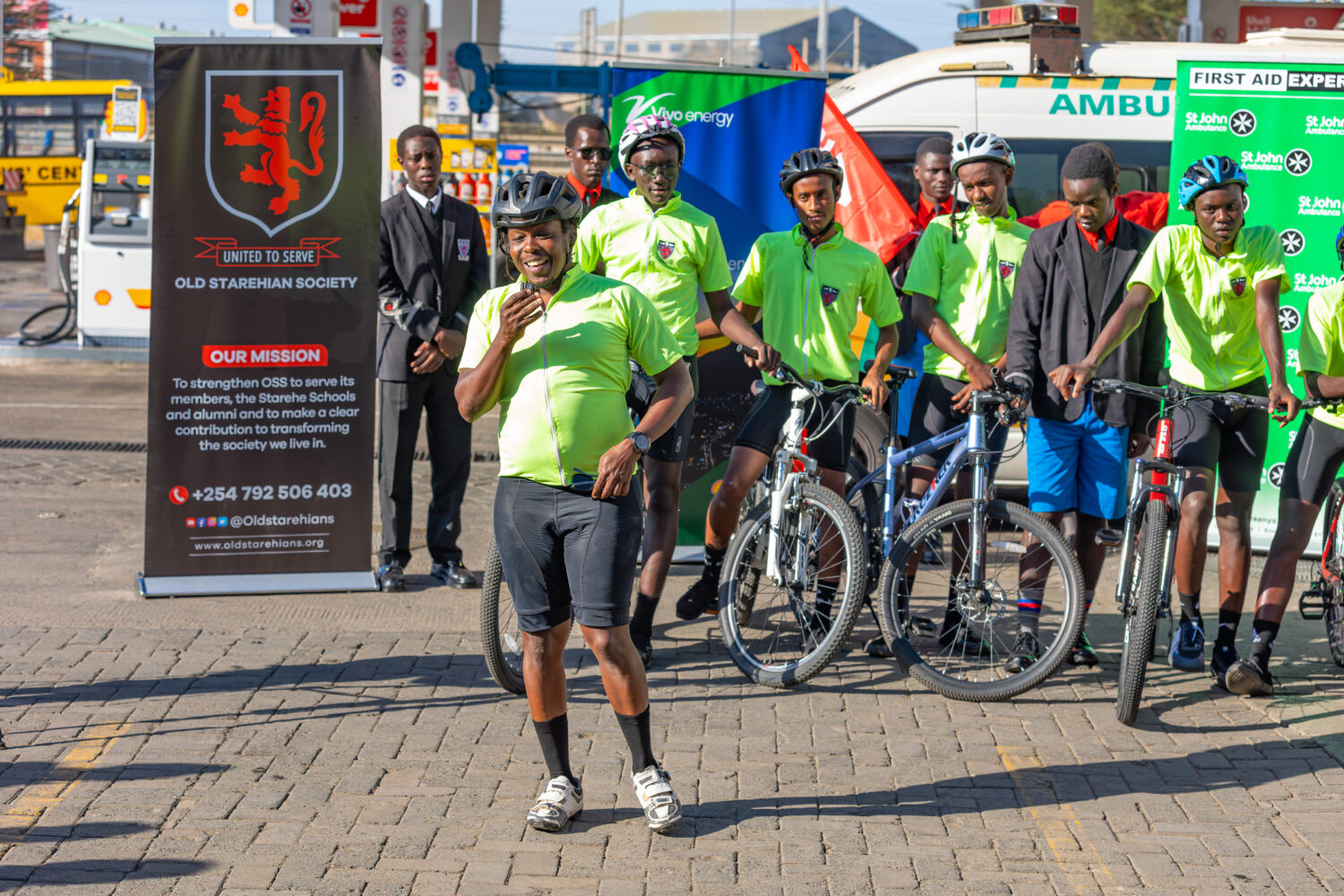
For the riders and their support teams, technology is helping turn what would otherwise be a physically demanding road journey into a coordinated long-distance operation. Route planning, communication between riders and support teams, and access to emergency assistance are central to keeping the group moving together across multiple counties.
The riders have also spent months preparing physically and mentally for the challenge, undertaking long-distance training to condition themselves for repeated 100-kilometre rides.
“You cannot just wake up and ride 1,100 kilometres,” said Ian Hicho, Technical Director and Team Coach and an Old Starehian. “The preparation started months ago, with physical training, long-distance rides and mental preparation.”
The challenge illustrates how technology and modern training methods are becoming increasingly important in endurance sports, where performance depends not only on physical fitness but also on planning, communication, monitoring and logistics.
Safety is another major part of the operation. St John Ambulance emergency response teams are supporting the riders along the route, providing medical and safety assistance as the students travel through different road and weather conditions.
The riders are also supported by Vivo Energy Kenya, whose Shell service station network has provided stopover points, refreshments and logistical assistance along the route.
For team captain Ian Stanley, the challenge has provided lessons in leadership and coordination that extend beyond the classroom.
“Being team captain means making sure everyone is where they are supposed to be, that the bikes are in order and that the team moves together,” he said.
The technology and logistics supporting the Bikeathon are particularly important because the riders are travelling as a team rather than competing individually. Maintaining communication, ensuring the bicycles remain operational and coordinating support along the route all become increasingly difficult as distance and fatigue accumulate.
The fundraising campaign is targeting KSh10 million for the Starehe Boys Centre education fund, giving the technology-enabled journey a broader social purpose: using a highly coordinated physical challenge to mobilise support for education.
Fidel Alfred Odhiambo, a Form Three student and returning Bikeathon participant, said the experience has reinforced the importance of resilience.
“There are moments when you feel like giving up, especially when climbing the hills, but you remember why you started and you keep going,” he said.
The Bikeathon honours the legacy of the late Geoffrey Griffin, founder of Starehe Boys Centre, and is intended to develop resilience, teamwork, leadership and a sense of service among the students.
At the heart of the challenge, however, is a simple objective: getting all 13 riders safely to Mombasa while raising money to support future Starehe students.
The team is now entering the final stretch of its 1,100-kilometre journey, with technology, logistics and teamwork helping keep the riders on course as they head towards Mombasa.