Kenya’s active mobile subscriptions climbed to almost 88 million by the end of June, exceeding the country’s population as individuals and businesses maintain multiple SIM cards across different networks and for different services.
The number of active mobile subscriptions reached 87.999 million in the fourth quarter of the 2025/26 financial year, up 4.6% from a year earlier, according to the Communications Authority of Kenya. The figure translated into a mobile penetration rate of 165%, compared with 146.3% a year earlier.
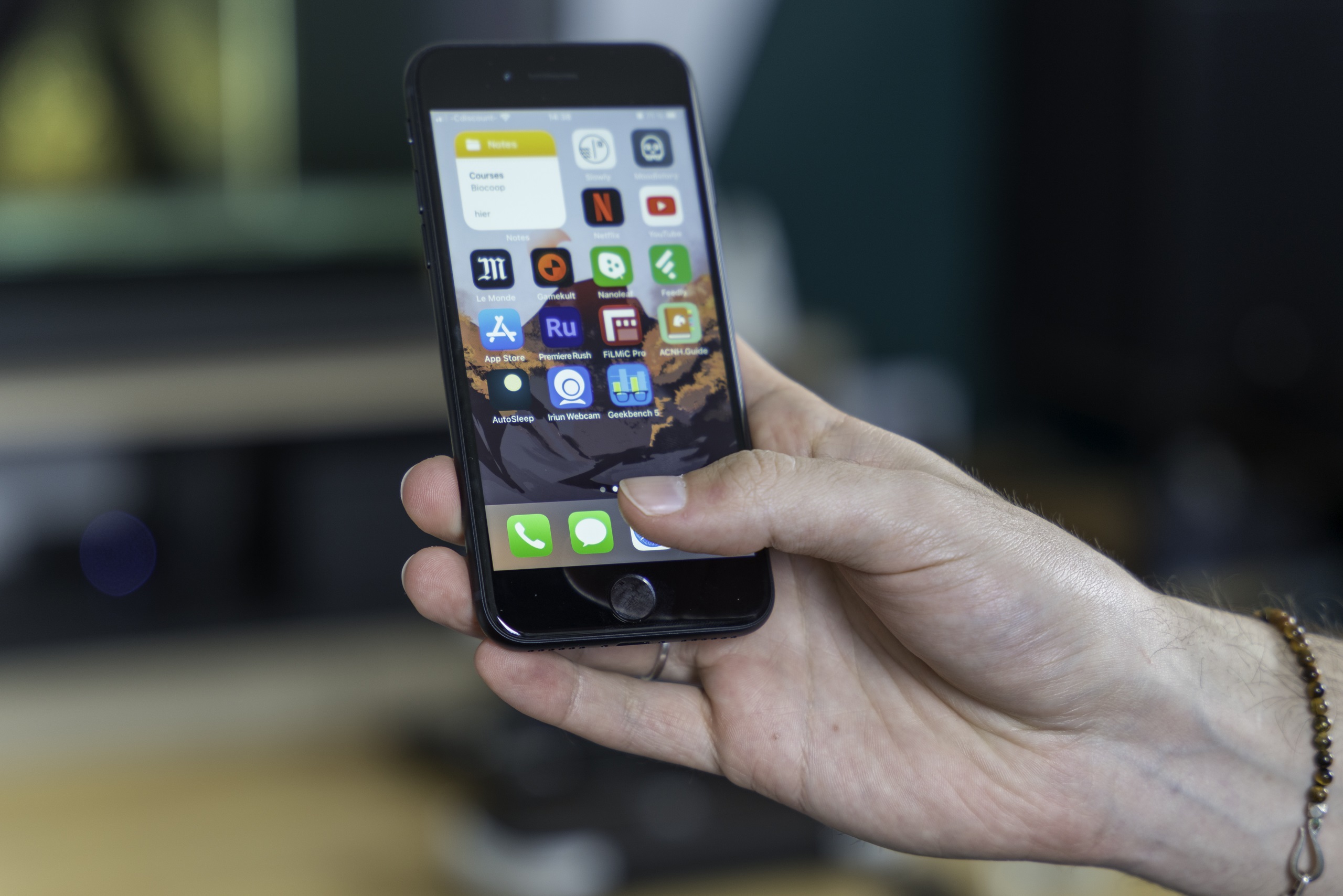
The growth came as Kenya’s mobile device market continued to change. Smartphones reached 52.26 million by June, while feature phones declined to 27.42 million. Total mobile devices connected to networks stood at 79.7 million, equivalent to a penetration rate of 149.4%.
The Communications Authority attributed the growth in smartphone adoption partly to the expansion of 4G and 5G networks, while noting a continued decline in feature-phone usage.
The shift is changing the nature of Kenya’s mobile market. Phones are increasingly becoming gateways to financial services, commerce, entertainment, government services and business applications rather than simply tools for voice calls and text messages.
Mobile data subscriptions reached 64.26 million at the end of June, up 9.7% from 58.6 million a year earlier. Mobile broadband accounted for 85.5% of mobile data subscriptions, with 4G the most widely adopted broadband technology.
Data consumption over 4G and 5G networks continued to rise during the period, while 3G consumption declined as subscribers increasingly opted for higher-speed connectivity.
The shift is also visible in traditional communications. Domestic voice traffic increased 13.6% during the financial year to 126.7 billion minutes, while SMS traffic fell 0.3% to 57.1 billion messages.
The regulator attributed the decline in SMS partly to the growing use of over-the-top messaging services such as WhatsApp.
Kenya’s mobile market is also increasingly tied to financial services. Mobile-money subscriptions reached 54 million by June, representing 101.3% penetration after growing 13.2% during the year.
Safaricom remained the largest operator, with 69.8% of mobile subscriptions and 64.4% of mobile broadband subscriptions at the end of June. Its share of mobile-money transfers stood at 88.8%.
The broader mobile-services market generated KSh440.9 billion in revenue in 2025, an increase of 3.6%. Other services, a category that includes mobile money, roaming, bulk SMS and airtime credit, accounted for 42.8% of mobile-service revenue, ahead of voice at 25.6%, data at 28.2% and SMS at 3.4%.
The figures point to a telecommunications industry increasingly driven by data, financial services and digital platforms rather than traditional voice and messaging.
For operators, the expansion of smartphones and broadband creates a larger addressable market for digital services. For consumers and businesses, it means a growing share of everyday transactions and communications can be conducted through mobile applications.
Kenya’s mobile sector ended the 2025/26 financial year with more connections, more smartphones and greater use of broadband and mobile financial services, reinforcing the central role of mobile networks in the country’s digital economy.