Unilever has signed a five-year partnership with Google Cloud to accelerate its digital transformation, as consumer goods companies race to adapt to shopping journeys increasingly shaped by artificial intelligence.
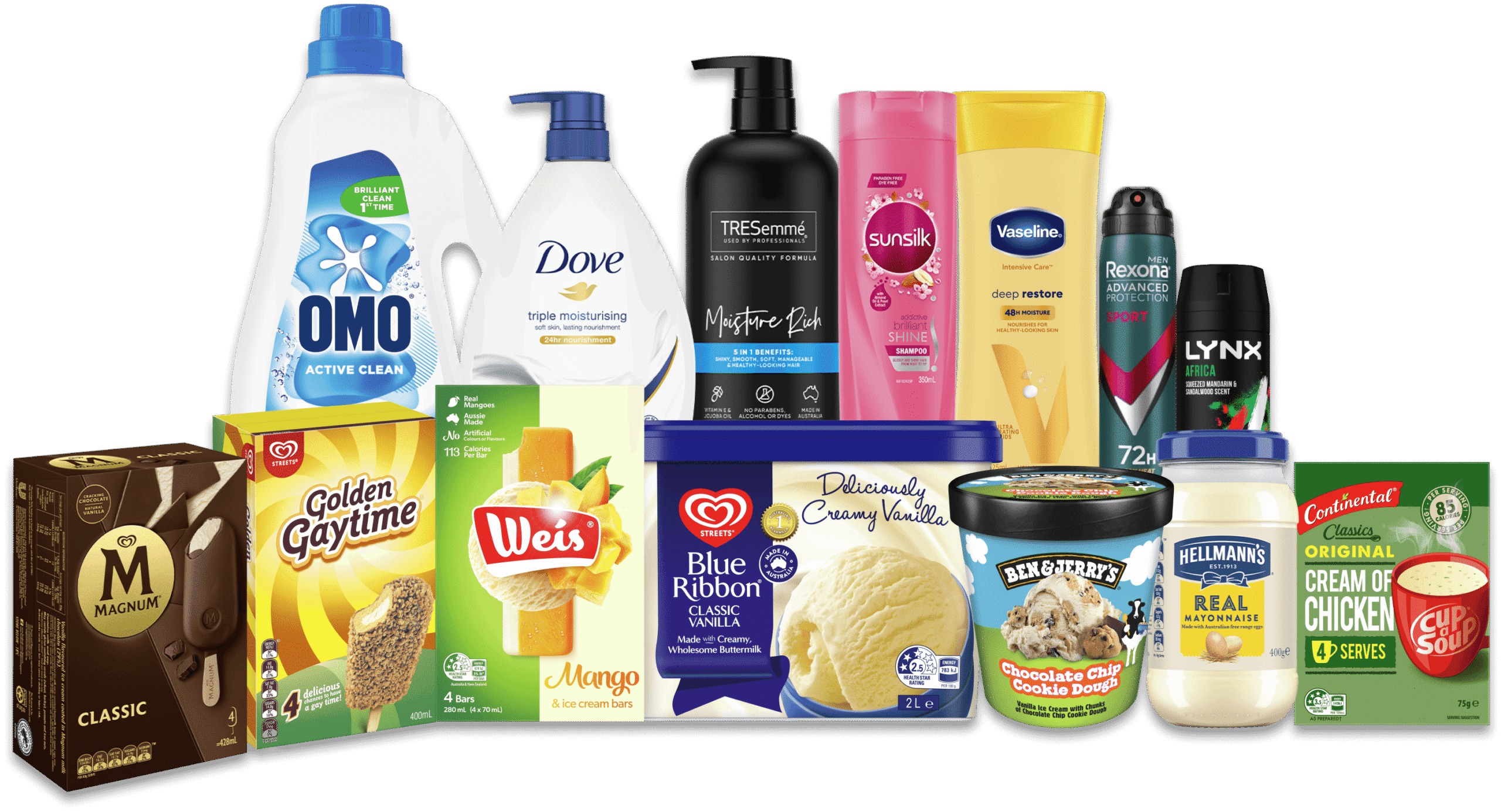
Under the deal, Unilever will use Google Cloud’s advanced AI, data and cloud platforms to strengthen brand discovery, marketing measurement and AI-augmented commerce across its global portfolio, which includes Dove, Vaseline and Hellmann’s.
The companies said the partnership will support a shift toward more conversational and “agentic” consumer experiences, where AI systems can reason, learn and take actions across marketing and commerce workflows.
As part of the agreement, Unilever will migrate its integrated data and cloud platform to Google Cloud, creating what it described as an enterprise-wide, AI-first digital backbone. The move is aimed at speeding up demand generation, improving data-driven decision-making and enabling faster responses to changes in consumer behaviour.
“Technology has moved to the core of value creation at Unilever,” said Willem Uijen, the company’s chief supply chain and operations officer. “As brands are increasingly discovered and chosen in environments shaped by AI, we must lead this shift.”
Google Cloud said it will deploy its latest AI models, including Gemini, to help modernise Unilever’s business processes and build intelligent systems that can operate across the consumer goods group’s value chain.
“In partnering with Unilever, we are not just modernising legacy systems, but creating a system of intelligence that reasons, learns and acts,” said Tara Brady, president for Europe, the Middle East and Africa at Google Cloud.
The collaboration will focus on three areas: agentic commerce and marketing intelligence, an integrated data and cloud foundation, and the accelerated adoption of advanced AI technologies.
Unilever operates in more than 190 countries and said its products are used by 3.7 billion people daily. The group reported sales of €50.5 billion in 2025 and employs about 96,000 people globally.