
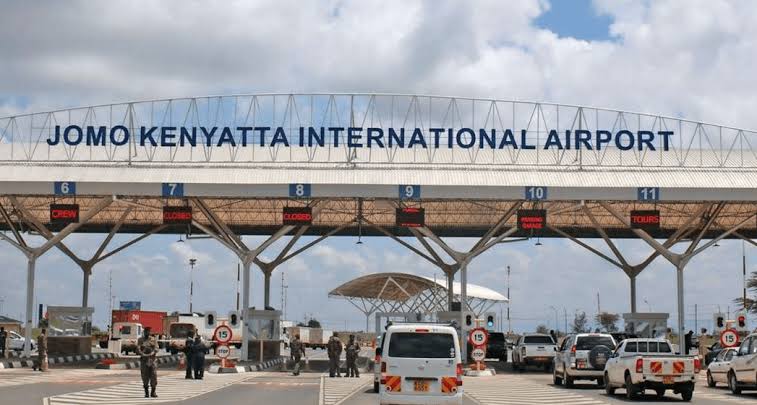
Kenya’s primary aviation hub is set to challenge the dominance of global ride-hailing giants Uber and Bolt by launching its own dedicated digital taxi platform.
The Kenya Airports Authority (KAA) has officially initiated a search for technology partners to develop a bespoke mobile and web-based dispatch system for Jomo Kenyatta International Airport (JKIA).
According to tender documents released by the authority, the project will be structured as a public-private partnership, aimed at modernising airport logistics while clawing back market share from established tech firms.
For years, international platforms have quietly dominated the airport transport sector, often at the expense of traditional airport-licensed operators.
However, KAA’s move signals a strategic shift toward direct competition.
Under the proposed arrangement, the winning tech firm will be responsible for designing and running the system, but there is a financial catch: the operator must hand over a monthly percentage of passenger fares to the KAA.
The authority confirms that the exact revenue split will be a decisive factor in the bidding process.
To ensure a competitive edge, the app will integrate features designed to rival the seamless experience of its global competitors.
These include real-time fare estimates, surge pricing capabilities, and live vehicle tracking with trip notifications for passengers.
Furthermore, an automated dispatch engine will be used to manage driver queues across various terminals, ensuring that the “yellow taxi” cabs, which are already licensed and vetted to operate within the airport’s high-security perimeter, can respond as efficiently as their silicon-valley rivals.
The strategy also includes a technical “moat” around the airport’s lucrative transport hub.
The KAA plans to use GPS-based geofencing to restrict these taxis to approved zones, a move intended to “prevent unauthorized pickups and keep operations orderly.”
This digital barrier is a clear attempt to consolidate the market and prioritize the airport’s own ecosystem over external independent drivers.
This pivot is as much about the bottom line as it is about passenger convenience.
Currently, the KAA relies heavily on traditional income sources such as aircraft landing charges and passenger ticket fees.
By entering the digital marketplace, the authority is looking to tap into a massive, captive audience.
In 2024, JKIA handled a total of 8.9 million passengers, comprising 6.8 million international and 2.1 million domestic travellers, representing a significant pool of potential revenue that has previously flowed toward external apps.
Looking ahead, the KAA has ambitious plans to scale the platform into an all-encompassing “super-app” for the airport.
Eventually, the system is expected to include duty-free shopping, lounge bookings, parking payments, and in-airport navigation tools, alongside digital advertising and sponsored listings.
The clock is now ticking for prospective tech partners; once the contract is signed, the selected vendor will have just three months to get the system live and begin the fight for the “first mile” of the passenger’s journey.

 has officially initiated a search for technology partners to develop a bespoke mobile and web-based dispatch system for Jomo Kenyatta International Airport (JKIA).)