

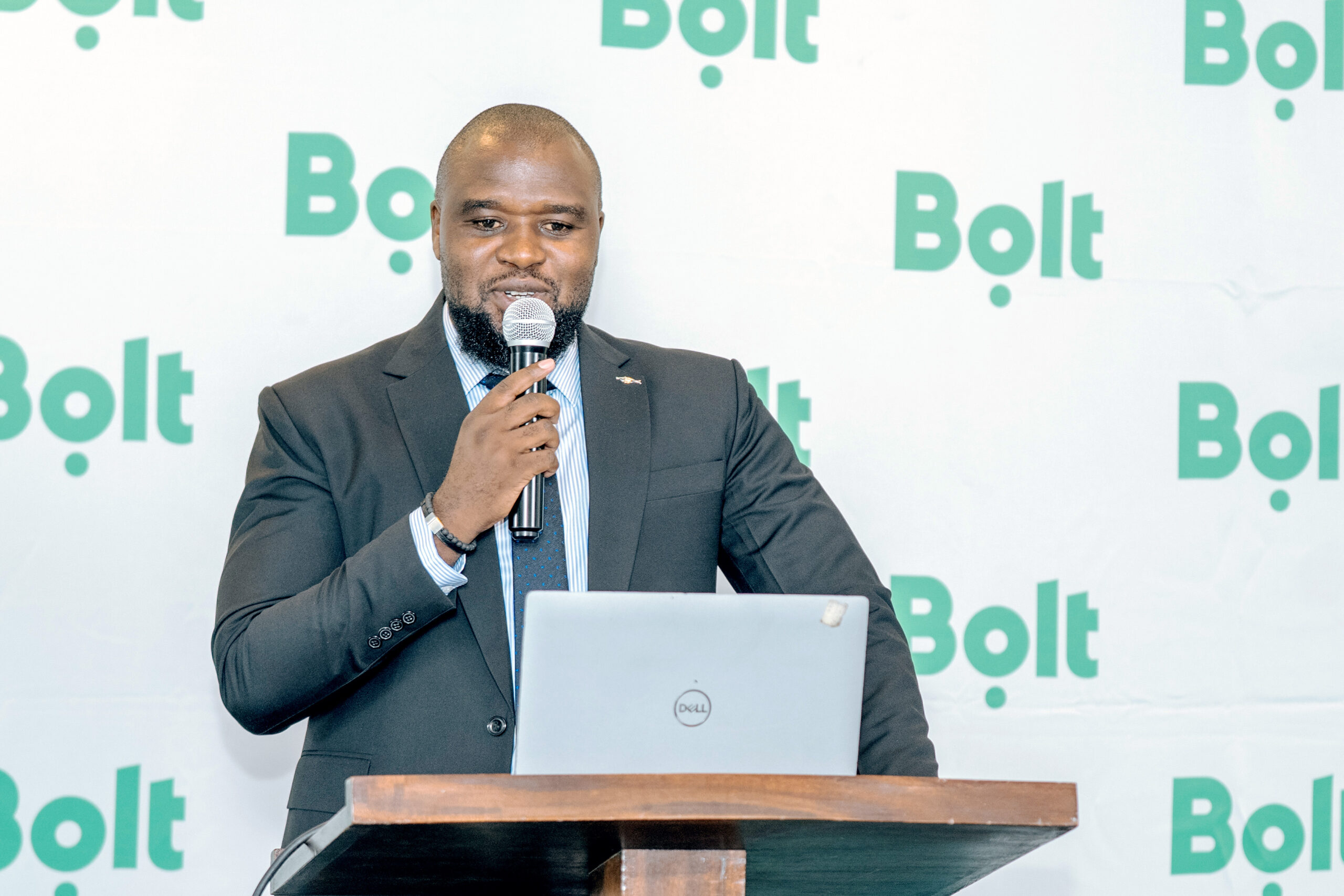
Ride-hailing firm Bolt is facing backlash in Kenya following a promotional survey by research firm Ipsos suggesting that some drivers can earn up to KSh 400,000 per month (approximately $3,077).
Bolt, critics argue on X, is not the best to work for or ride with and they claim the figures are misleading and not reflective of typical driver earnings.
The controversy has been amplified on social media platform X, where users and drivers have questioned the sustainability of income on the platform. Much of the debate centers on Bolt’s commission structure, with allegations that relatively high commissions significantly reduce drivers’ net earnings after operational costs such as fuel, maintenance, and insurance are accounted for.
Itawai fika lini 400k kama clients wenu hawalipi?…, you guys have the most worst customer experience, bolt clients never pay their fares, bolt has the worst prices with high commission %. And finally Bolt is a shit app. Bolt is for broke people, they better use matatus. https://t.co/geXjaowKpK
— Masta (@abuyamasta) March 19, 2026
Some argue this can never be possible even if a driver were to work around the clock with zero expenditure.
This is largely misleading if it doesn’t clarify that the figures quoted are gross earnings.
It ignores critical factors like the number of hours drivers spend on the road and the substantial costs they bear including car payments, fuel, maintenance, insurance, and repairs.…
— KhobsGlobal (@MiwagaOkech6) March 19, 2026
Critics have also pointed to Bolt’s pricing strategy, particularly the use of frequent passenger discounts, arguing that these incentives attract riders but compress driver margins. Some users further describe the service as increasingly perceived as “low-cost” or “low-class,” citing concerns over inconsistent service quality and passenger experience.
Hawa wenye wanakufungia kwa gari ukiwa na discount hawa ndio wanamake 400k? https://t.co/CwF4Qa72xR
— Allano🍉 (@Web3flux) March 19, 2026
Additional concerns raised in online discussions include the condition of vehicles operating on the platform, with allegations that many are older or poorly maintained, raising safety and reliability questions.
kitu isikudanganye uingie this business if you aren’t driving the car yourself you’ll see dust
ask me I know https://t.co/tLsrxUg9Xv
— Droid (@droid254) March 19, 2026
Hawa watu wenye karibu wapige watu ukiwa na discount?
ain’t no way https://t.co/elK9ubMx1w— Kerry 🇰🇪 (@kerubo_hillary) March 19, 2026
Uongo https://t.co/UdXxxPmHew
— Robert ALAI, HSC (@RobertAlai) March 19, 2026
There have also been anecdotal claims shared by users alleging misconduct by some drivers, including disputes over fares after trips, with isolated reports of drivers locking passengers in vehicles while demanding additional or exaggerated payments. These claims remain unverified but have contributed to broader concerns about accountability and enforcement within the platform.

However, Bolt has stated that its earnings figures reflect top-performing drivers whose income is driven by high trip volumes, incentives, and bonuses. The company maintains that earnings vary based on activity levels, acceptance rates, and overall driver performance, and that its incentive systems are designed to reward consistent, highly rated drivers.
“By investing in technology, safety, and driver-focused initiatives, we aim to strengthen the gig economy while helping drivers maintain the flexibility and independence that make platform work so valuable,” said Dimmy Kanyankole, Senior General Manager, East Africa.
The debate underscores ongoing tensions in Kenya’s ride-hailing sector, where questions around commissions, pricing models, service quality, and driver welfare continue to draw scrutiny from drivers, passengers, and policymakers alike.