
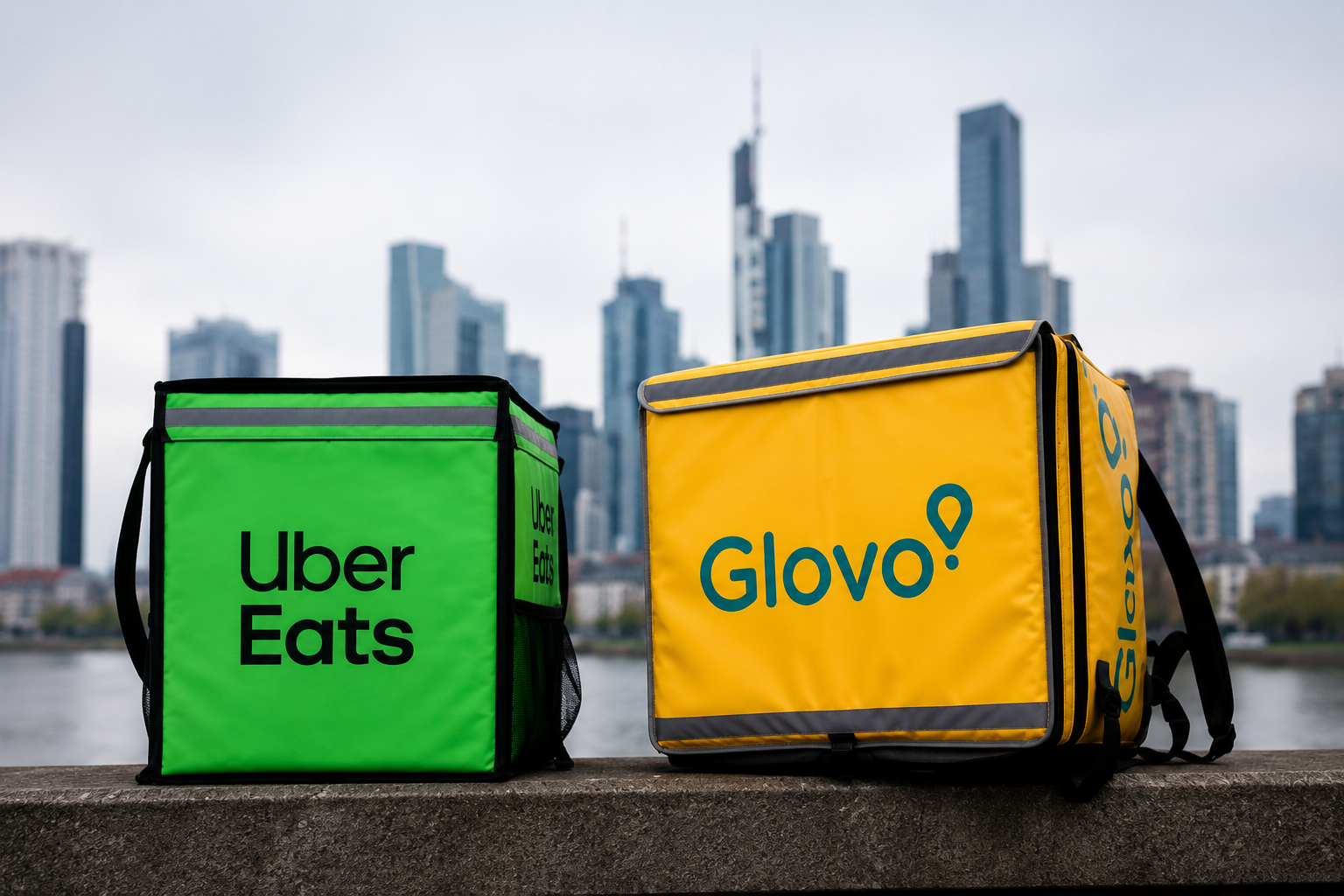
Uber has agreed to acquire German food delivery giant Delivery Hero in a $14.8 billion all-cash deal, bringing one of the world’s largest food delivery companies under its control and marking the latest wave of consolidation in the fiercely competitive global delivery market.
The acquisition will unite Uber Eats with Delivery Hero’s portfolio of brands, including Glovo, foodpanda, talabat, PedidosYa, HungerStation and Baedal Minjok. Together, the combined business will serve customers in nearly 100 countries, creating one of the largest on-demand delivery networks outside China.
The deal is expected to close in the second half of 2027, subject to shareholder and regulatory approvals.
For Africa, the acquisition could prove particularly significant.
Through Glovo, Delivery Hero has established a strong presence across several African markets, including Kenya, Uganda, Nigeria, Morocco, Tunisia, Côte d’Ivoire and Ghana. If the acquisition receives regulatory approval, Uber would inherit one of the continent’s largest food and grocery delivery platforms, significantly expanding its footprint beyond ride-hailing.
The transaction reflects growing pressure on delivery companies to achieve scale as the industry shifts from rapid expansion to profitability. Higher operating costs, slowing consumer spending and intense competition have pushed major players to consolidate operations and pursue efficiencies.
Uber said combining the two businesses would create a stronger platform for consumers, merchants and delivery partners by leveraging its technology, logistics network and financial resources. The company expects the merger to accelerate innovation in food delivery, grocery delivery and quick commerce while improving operational efficiency across its global markets.
To ease antitrust concerns, Delivery Hero has agreed to divest operations in several overlapping markets before the transaction closes. Competition regulators in Europe and other jurisdictions are expected to closely scrutinize the acquisition due to the combined company’s market share in food delivery.
For consumers and businesses across Africa, no immediate changes have been announced. Glovo will continue operating as usual until the transaction is completed. However, industry analysts expect Uber to eventually evaluate opportunities to integrate technology platforms, logistics operations and merchant services across its delivery businesses.
The acquisition also underscores the growing strategic importance of Africa’s digital commerce ecosystem. Rising smartphone adoption, expanding mobile payments and increasing demand for on-demand services have made the continent one of the fastest-growing markets for food delivery and quick commerce.
If approved, the transaction would give Uber a stronger foothold in a region where competition for last-mile delivery, grocery fulfilment and local commerce is expected to intensify over the coming years.
While riders, restaurants and customers are unlikely to see immediate changes, the merger could reshape Africa’s food delivery landscape, influencing pricing, merchant commissions, platform investment and competition for years to come.