HassConsult is betting that wellness and community-driven living can become a bigger source of value in Kenya’s residential property market, as a global wellness real estate sector worth $876 billion increasingly reshapes how developers design, market and operate homes.
The Nairobi-based developer is expanding its Enaki model with Elevate by Hass, a resident experience platform built around fitness, wellness, dining, entertainment, work and community programming. The move comes as the global wellness real estate market, one of the fastest-growing segments of the broader wellness economy, is projected to reach $1.8 trillion by 2030.
For HassConsult, the opportunity is increasingly being measured in property performance.
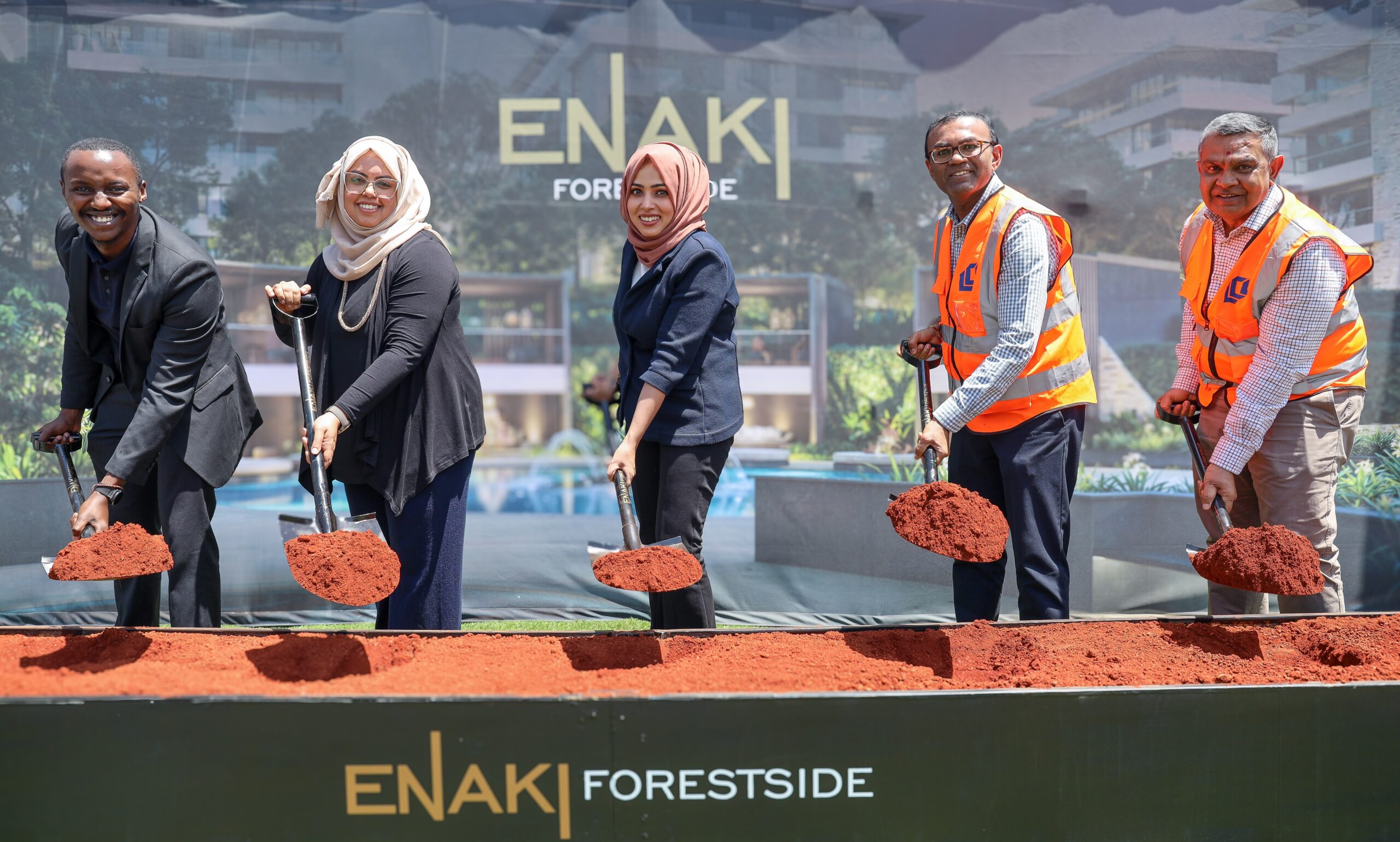
Enaki’s first phase of 440 apartments is 92% occupied, with waitlists for several fully occupied unit types, according to the developer. Its next phase, Enaki Forestside, has sold 50% of its homes within four months of launch.
Those figures give HassConsult an early commercial case for a strategy that treats resident experience as more than an amenity.
“The traditional measures of residential value, location, size, specification, are no longer the full picture. When residents genuinely belong to where they live, it shows up commercially,” said Farhana Hassanali, co-CEO and development director at HassConsult.
The company’s approach reflects a broader shift in wellness real estate. The Global Wellness Institute’s latest research shows the sector grew from $151 billion in 2017 to $876 billion in 2025 and is forecast to more than double to $1.8 trillion by 2030. The sector has been growing substantially faster than overall construction, making wellness-focused development an increasingly important part of the global property industry.
The shift is also changing what developers mean by wellness.
Rather than focusing only on gyms, swimming pools or landscaped gardens, newer wellness-oriented developments are incorporating physical health, mental wellbeing, social connection, access to nature and programming into the way communities operate.
HassConsult is attempting to bring that model to Nairobi through Enaki, which it describes as a residential resort built around green space and community life. The development spans 22 acres and includes a six-acre botanical garden, while the Forestside phase is centered around a 23,000-square-foot private forest.
Elevate by Hass is intended to turn those physical assets into an ongoing resident experience.
The platform brings together fitness and gastronomy, wellness and work, children’s activities, resident events and entertainment. HassConsult says the objective is to create reasons for residents to use shared spaces regularly rather than treating amenities as facilities that sit largely idle between property viewings and occasional use.
At Enaki Town, a purpose-built movement studio provides space for fitness and wellness programming, while Artcaffé operates a marketplace designed as a social hub. The venue has hosted high teas, children’s baking competitions and cultural festivals.
That operating model is significant because HassConsult is seeking to stay involved in the development beyond the traditional property-sales cycle.
The company says its model brings together market research, development, design, pricing, marketing, sales, letting and property management. Elevate adds another layer: actively managing the experience residents have after they move in.
That could give developers a new way to differentiate projects in a market where residential developments increasingly compete on similar features such as security, parking, gyms, pools, gardens and proximity to commercial centers.
The question for the industry is whether the additional investment in programming and community infrastructure can translate into measurable commercial returns through faster sales, higher occupancy, stronger rental demand and potentially greater long-term property values.
Enaki’s early numbers offer some evidence of demand, although they do not by themselves establish that resident programming caused the development’s occupancy or sales performance.
The 92% occupancy rate across Enaki’s 440 completed apartments means the project has already absorbed much of its available residential inventory. Forestside’s 50% sales rate in its first four months provides a second indicator of buyer interest as HassConsult expands the concept.
The company is now scaling the model beyond the original Enaki experience.
“The design brief of the future has to include human connection as an outcome. What draws people out of their homes and keeps them coming back cannot be left to chance. It must be designed, programmed and sustained,” said Sakina Hassanali, co-CEO and creative director at HassConsult.
For Kenya’s property industry, the bigger opportunity may be the economics of what happens after a home is sold.
As developers increasingly compete on lifestyle, the value proposition may shift from simply selling square meters to creating communities that residents want to remain part of. That would give developers a commercial incentive to operate and program residential developments long after construction is complete.
HassConsult’s expansion of Elevate suggests it sees that shift as more than a marketing trend.
With a global wellness real estate market already at $876 billion and projected to reach $1.8 trillion by 2030, the company is positioning its Nairobi developments to capture a small but potentially valuable part of a rapidly expanding property category.