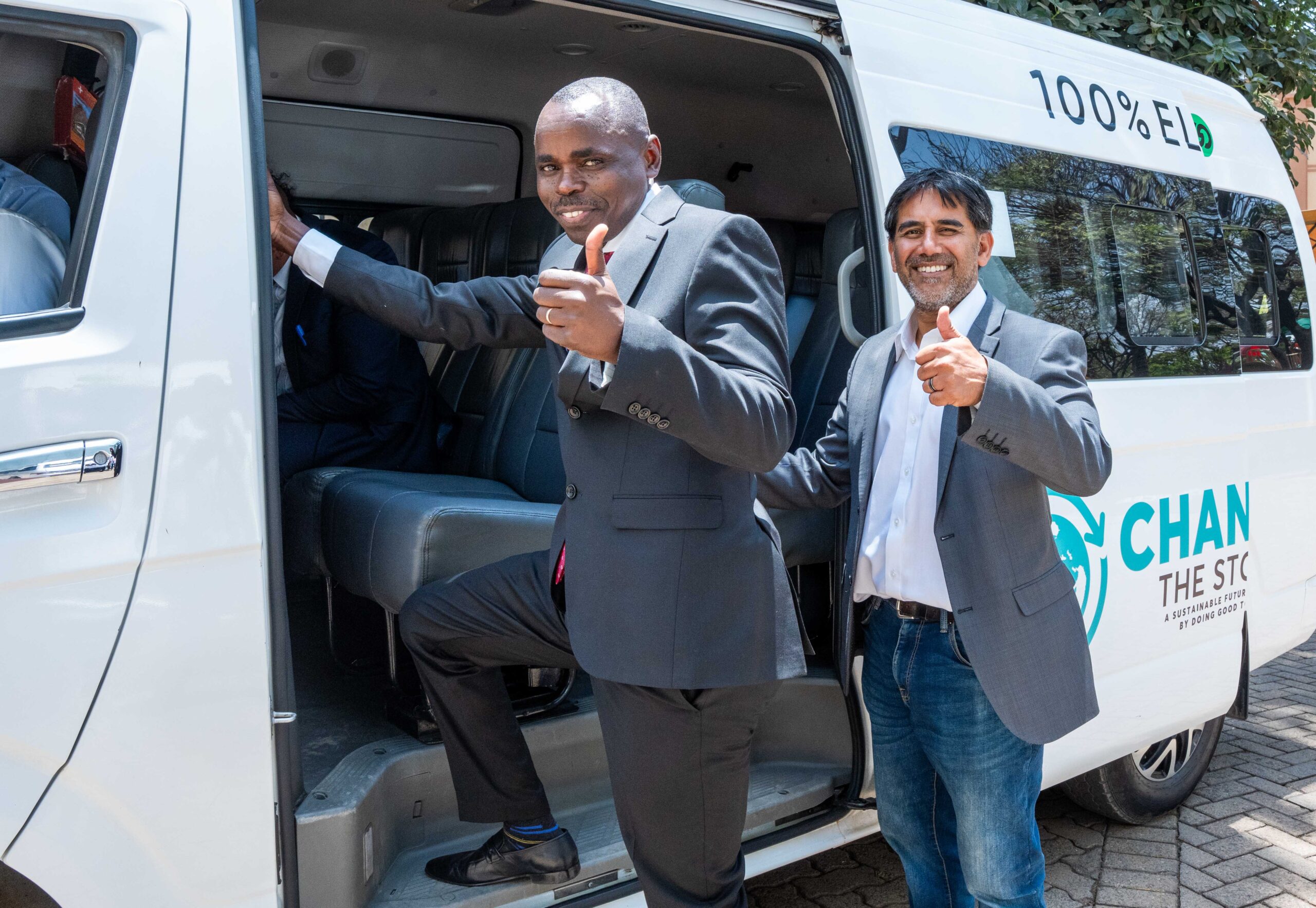
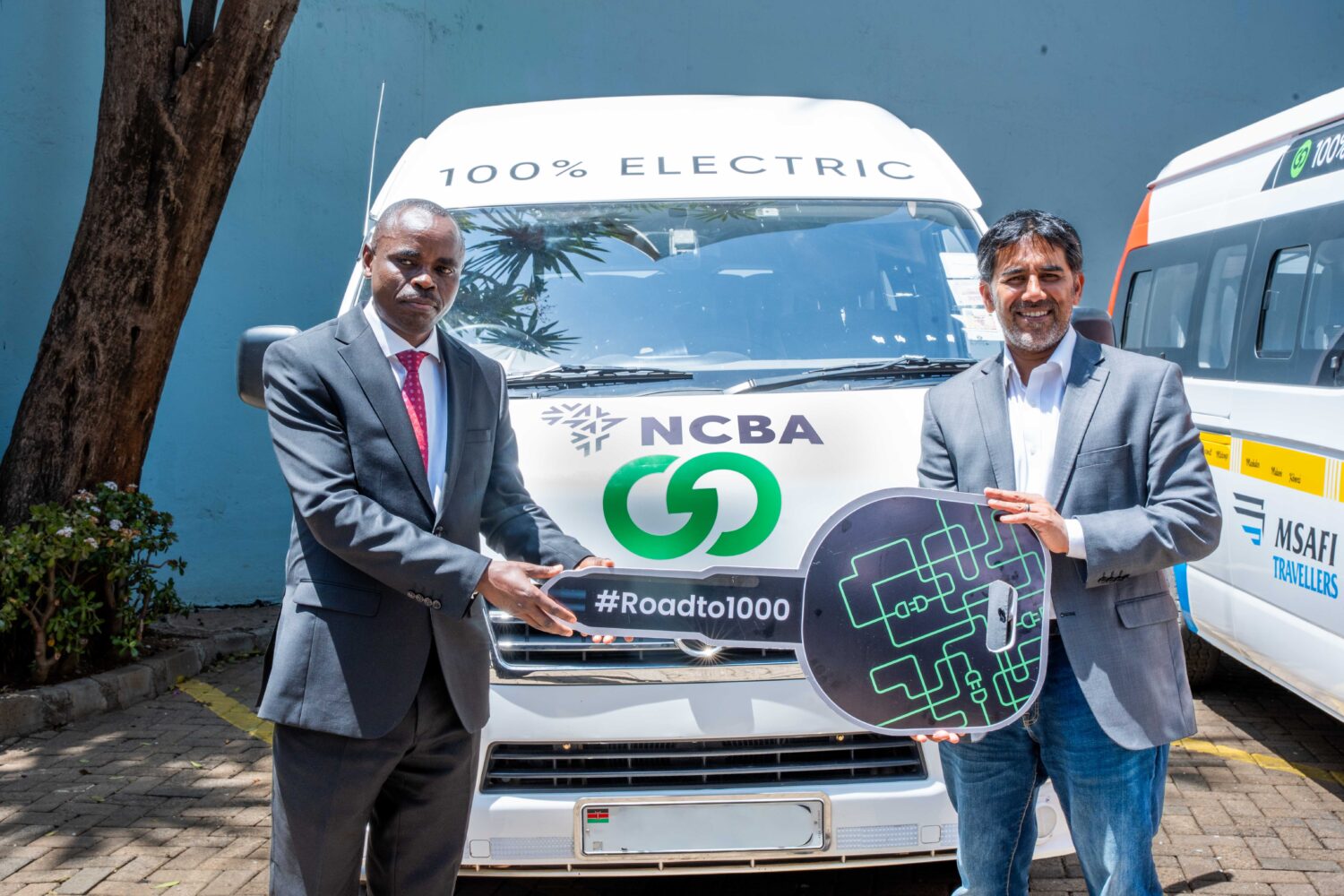
NCBA Group and electric mobility company BasiGo have partnered to finance 1,000 electric vehicles in Kenya, expanding access to leasing as public transport operators and businesses seek to overcome the high upfront cost of switching to electric fleets.
The partnership will enable PSV SACCOs, established transport operators and institutions including schools and hospitals to access financing for BasiGo electric vans through asset finance and leasing. BasiGo will use the financing to scale production and lease vehicles to operators and individuals.
The deal makes NCBA the first local investor to finance BasiGo and adds one of Kenya’s largest banks to the capital providers supporting the country’s growing electric mobility sector.
Existing PSV SACCOs and established PSV companies can access financing of up to 90% of an electric vehicle’s value over 60 months, while individual SACCO members can finance up to 80% over 48 months. Both options carry a discounted processing fee of 1.5%.
NCBA and BasiGo are also combining the bank’s financing with BasiGo’s Pay-As-You-Drive model, allowing operators to spread payments over time rather than absorb the full cost of an electric vehicle upfront.
“The most critical challenge in scaling electric vehicles in Africa is financing,” said Jit Bhattacharya, CEO and co-founder of BasiGo. “We are proud to partner with NCBA to address this problem head on for operators through affordable and creative financing solutions.”
For transport operators, the financing model could reduce the capital barrier to electric vehicles while offering potential savings on fuel and maintenance costs over the life of the vehicle.
“The transition to electric mobility is not simply about putting more electric vehicles on the road; it is about creating the financing and infrastructure needed to make them commercially viable at scale,” said Lennox Mugambi, Group Director of Asset Finance and Business Solutions at NCBA Group.
The partnership forms part of NCBA’s KES 2 billion e-mobility financing program. The bank said it has already invested more than KES 800 million in sustainable mobility assets, equivalent to about 40% of the facility.
The remaining KES 1.2 billion gives NCBA further capacity to finance electric mobility projects as demand for electric vehicles grows.
For BasiGo, the deal expands the financing options available to operators as the company seeks to move electric public transport beyond early adoption. The Nairobi-based company introduced electric buses into passenger operations in Kenya in 2022 and has built its business around providing vehicles, charging and maintenance services alongside its Pay-As-You-Drive financing model.
The partnership signals a broader shift in Kenya’s electric mobility market, with financing becoming as important as the vehicles themselves. By combining traditional bank lending with leasing and usage-based payments, NCBA and BasiGo are seeking to make electric fleets accessible to operators that may not have the capital to purchase them outright.
The success of the 1,000-vehicle target will ultimately depend on whether these financing structures can move electric mobility from early adopters into Kenya’s mainstream commercial transport market.