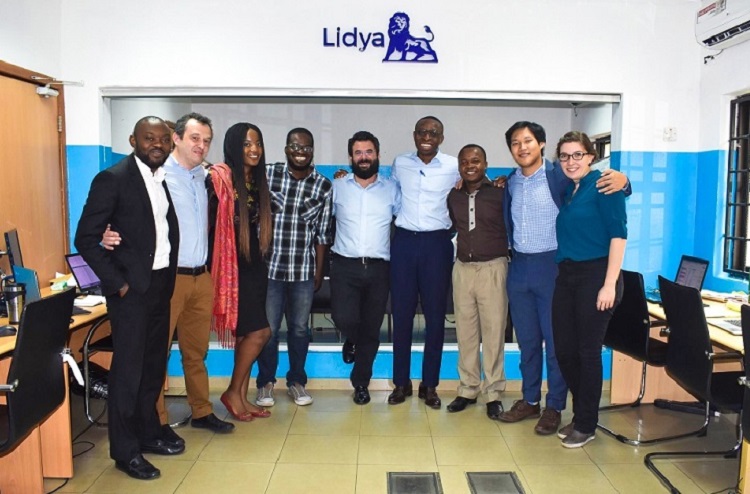
Lidya, a Nigerian digital lender backed by major impact investors, has halted operations after a period of financial strain and a breakdown in its governance structure that pushed the business into insolvency.
The company, which raised more than $16 million from shareholders including Alitheia Capital, Accion Venture Lab, and Flourish Ventures, informed customers that it is no longer able to release funds or meet financial obligations. Many users had already reported frozen balances and failed transactions over several months.
The company was founded in 2016 by former Jumia executives Tunde Kehinde and Ercin Eksin with the goal of expanding credit access for small and medium sized businesses in Africa. While the business initially gained momentum and later expanded into Europe in search of stronger revenue opportunities, internal cohesion deteriorated. Disagreements emerged at board level as the company pursued scale during a difficult funding environment.
In 2021, Lidya announced that Eksin had exited voluntarily. However, he later stated publicly that he was forced out by investors who assumed greater control of the company. Eksin has said he is pursuing legal action in the United States over the circumstances of his removal. The leadership conflict slowed decision making and affected operational stability at a time when the business required rapid execution.
After Eksin’s departure, the company attempted to pivot with the launch of a loan recovery platform, but customers complained of growing delays and difficulty retrieving funds. Lidya’s Portugal based engineering team was eventually disbanded after payroll interruptions. The departure of its chief technology officer in September 2024 was followed by the exit of Kehinde in October of the same year, leaving the company without founding leadership as financial pressures intensified.
The collapse of Lidya adds to a growing list of African venture backed businesses that have failed following disputes between founders and shareholders. Companies including Capiter in Egypt, HealthPlus in Nigeria, and iProcure in Kenya faltered after significant disagreements over capital deployment, management control, and the pace of expansion. With funding conditions tightening and investors demanding greater oversight, governance friction has become a material risk factor in the continent’s technology sector.
The shutdown leaves employees, suppliers, and customers uncertain about the recovery of outstanding funds. It also highlights the vulnerability of fintech lenders that rely heavily on outside capital, operate in complex regulatory environments, and must balance rapid growth with operational discipline. As investors reassess risk across African markets, Lidya’s downfall underscores the need for stronger alignment between founders and shareholders to protect value and ensure long term continuity.