



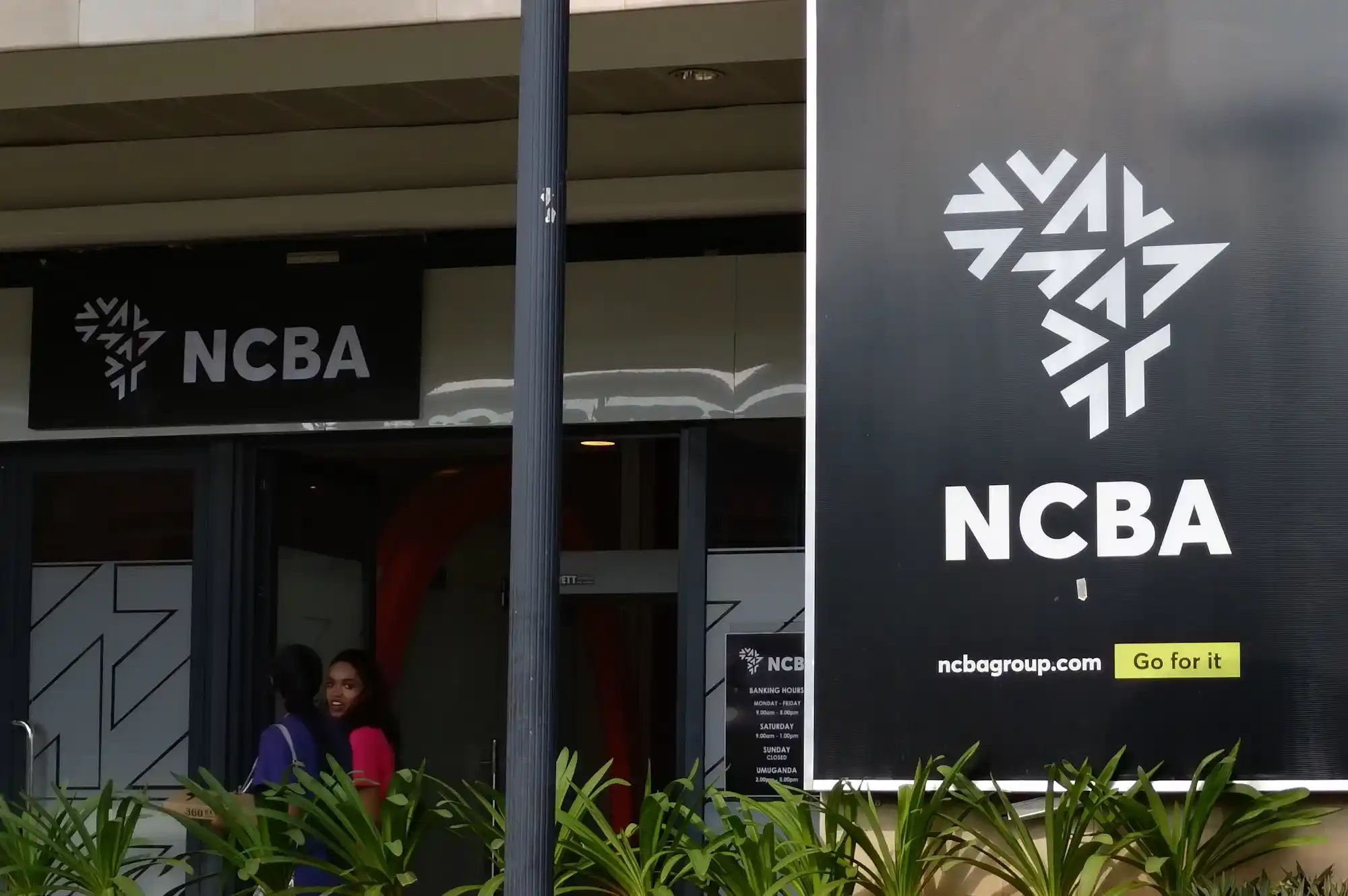
Kenya’s financial inclusion journey is often measured in numbers such as accounts opened, mobile wallets activated, users onboarded and so forth and by those measures, Kenya is at its best.
According to the FinAccess Household Survey 2024, nearly 85 percent of adults in Kenya have access to formal financial services, making Kenya a global leader in inclusion. Yet, as the country approaches 2026, it is clear that the next chapter will be defined not by access, but by outcomes.
With over three-quarters of the Kenyan population under the age of 35, and 20 percent of them unemployed and underemployed, access alone won’t fix much. NCBA Bank sees this reality not as a social problem to be solved, but as an economic imperative. The bank’s youth inclusion agenda, framed under its “Change the Story” platform, is quietly reshaping what financial inclusion looks like in practice building products to serve enterprises and SMEs creating jobs.
As such, the bank has embarked on various initiatives to reach the youth.
NCBA Bank recently partnered with the Nairobi Securities Exchange to host Teen Financial Literacy and Early Investor Empowerment Workshops, teaching aspiring young investors the principles of market participation.
It has also had other initiatives like Elev8 LIVE to support creative youth with training, exposure, and access to financial tools, connecting talent to economic opportunity in a way that acknowledges the diversity of youth enterprise. Scholarships and mentorship programmes further embed opportunity, equipping young people not just to participate but to thrive in the economy.
NCBA Bank also partnered with HEVA Fund to roll out a suite of financing products aimed at improving access to credit for artists and creative-sector enterprises. NCBA and HEVA Fund signed during the NCBA Creative Economy Summit and introduced five lending products — event financing, invoice discounting, LPO financing, working-capital support and start-up incubator financing — tailored to the needs of creative businesses, including music, digital content, fashion, production and live events.
“Kenya’s creative economy is vibrant, but most artists and enterprises operate independently and remain unseen by financial institutions,” said NCBA Group Managing Director John Gachora.
NCBA and HEVA are jointly evaluating and supporting borrowers through a 50:50 risk-sharing structure designed to accommodate project-based and seasonal revenue patterns. HEVA has invested in over 300 creative ventures over the past decade and is pushing for more through such partnerships.
What emerges is a deliberate strategy that links youth inclusion to broader economic growth. NCBA’s partnerships with entities like the African Guarantee Fund support SMEs with financing that sustains businesses and creates jobs, many held by young Kenyans. This integrated approach recognizes that youth engagement and SME growth are two sides of the same coin; one cannot succeed sustainably without the other.
This works well with government programmes like the National Youth Opportunities Towards Advancement (NYOTA) which aims to play a crucial role in giving young people a foothold in the economy. NYOTA provides skills, work readiness, financial literacy, and even start-up capital for micro-businesses but is time-bound and designed for activation rather than sustained engagement. Private corporations like NCBA are stepping in to work with the young entrepreneurs to build their next big thing.
NCBA Bank and the Dentsu School of Influence (DSOI) have an initiative to equip emerging content creators with essential financial literacy, business acumen, and personal branding skills. This partnership is part of NCBA’s ongoing #TwendeMbele campaign aimed at fostering a financially empowered and economically active generation of Kenyan digital creators.
NCBA’s investment arm, NCBA Investment Bank, the Nairobi Securities Exchange (NSE) and Abojani Investment also hosted a high-impact Teen Financial Literacy and Early Investor Empowerment Workshop foster a culture of early investment and addressing the critical need for youth financial literacy. The workshop gave youth and teens insights to help them manage and grow their wealth, ensuring they transition from working for money to creating an investment portfolio where money works for.
As part of NCBA’s overall SME banking strategy, the bank also partnered with Strathmore Business School (SBS) to certify 38 SMEs in manufacturing, retail, agribusiness, logistics, and professional services to equip entrepreneurs with the necessary business skills, leadership skills, and strategic mindset to succeed even in challenging market conditions. This capacity-building programme also seeks to develop the base of SMEs and position them for long-term sustainability.
The firm also holds “Meet, Mingle & Money talks’ forums to drive uptake of savings and investments among the youth.
At the heart of the bank’s approach is digital onboarding, an innovation that has changed the economics of access for young Kenyans. NCBA’s Loop account allows youth to open an account instantly, online, without visiting a branch. It is a platform that delivers budgeting tools, personal loans, overdraft facilities, and goal-oriented savings all within the reach of a smartphone.
NCBA’s financial services meet young people where they are in their lives. Digital credit offerings such as M-Shwari and Fuliza, integrated within M-PESA, provide flexible loans and overdraft solutions to students, gig workers, and micro-entrepreneurs. Savings products encourage disciplined goal-setting, while digital personal loans and salary advances cater to young people’s evolving financial needs. This combination of digital access, flexible credit, and savings discipline reflects a philosophy that youth financial inclusion is a journey, not a moment.
As seen above, NCBA’s commitment goes beyond products.
In 2026, the bank is demonstrating that true inclusion is more than an account opening. It is a journey that sustains livelihoods, supports businesses, and allows young Kenyans to navigate the complexities of economic life with resilience and opportunity.
In the end, financial inclusion will be measured not by the number of accounts created, but by the lives transformed, enterprises strengthened, and opportunities realized. NCBA’s emerging playbook suggests that this is not only possible but already underway. For Kenya’s youth, the story is just beginning and, in this case, the bank is helping to write it.
NCBA’s youth agenda, combining Artificial Intelligence, digital onboarding, financial products tailored to young people, and ecosystem engagement through skills, mentorship, and partnerships, provides a model of what this could look like.