

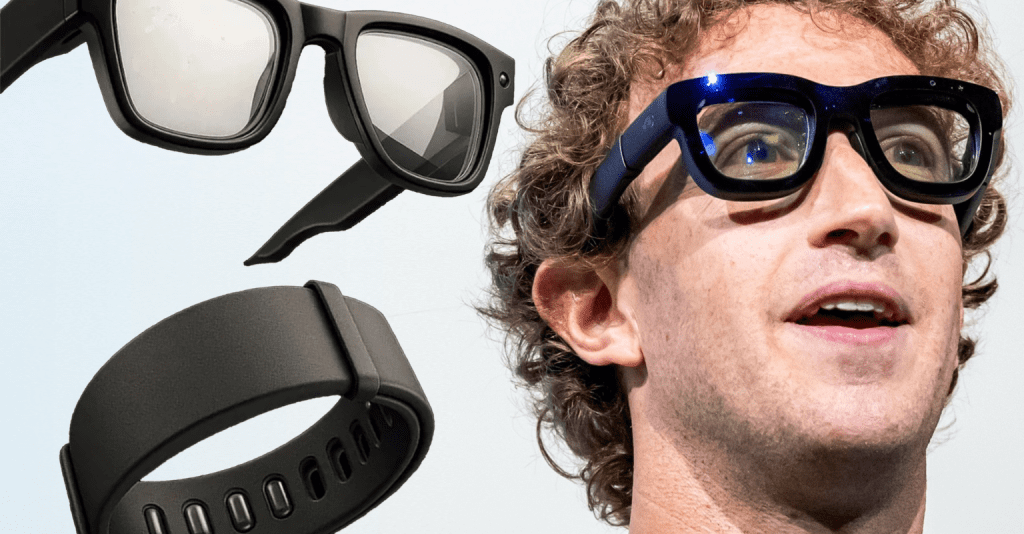
Meta’s new AI-powered smart glasses, marketed as an all-in-one personal assistant, are exposing a hidden workforce and significant privacy risks, according to an investigation by Svenska Dagbladet.
The glasses, sold in Europe and the United States, capture images, video and audio to power features such as live translation, object recognition and AI responses. While marketed as privacy-conscious and user-controlled, the devices rely on a network of subcontractors worldwide to annotate and verify the data.
In Nairobi, Kenya, employees at Meta subcontractor Sama manually review video and image content from the glasses. Workers told Svenska Dagbladet that they regularly encounter footage showing highly sensitive situations, including bathrooms, sexual activity, and visible personal information like bank cards.
“You see these videos and it feels like you are looking into someone’s private life. But it’s your job, so you do it,” one employee said on condition of anonymity.
Tests by Swedish media indicate that even when users opt out of data sharing, the glasses require an internet connection to process visual input, sending information to Meta servers in Sweden, Denmark and other locations. Former Meta employees said that faces and bodies meant to be anonymized are sometimes visible due to algorithmic errors.
Privacy experts warned that users may not fully understand the extent of data collection, raising questions about compliance with the EU General Data Protection Regulation (GDPR). Meta says all data is handled under its AI Terms of Service and Privacy Policy and that European legal requirements are met through its Irish entity.
Meta declined to answer detailed questions about how private material reaches subcontractors or how it is filtered before human review. Sama did not respond to requests for comment.
The investigation highlights the tension between consumer-facing AI products and the largely invisible human labor required to train and maintain them.

“You think that if people knew the extent of the data collection, no one would dare to use the glasses,” a Nairobi-based annotator told Svenska Dagbladet.