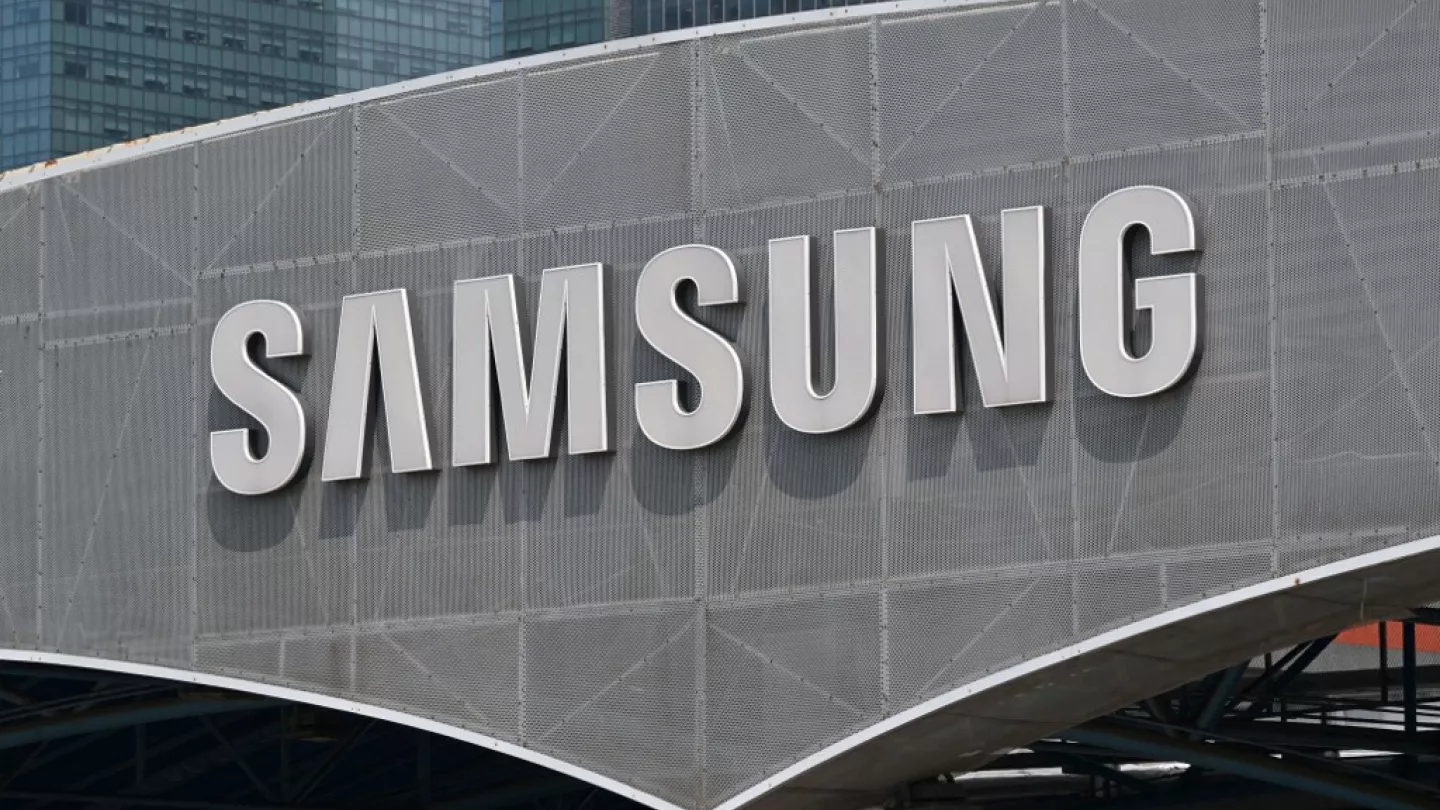
Samsung Electronics reached a last-minute agreement with labor unions representing its semiconductor division, averting a strike that threatened to disrupt global supplies of artificial intelligence memory chips and deepen shortages across the tech industry.
The South Korean technology giant agreed to distribute about KRW40 trillion ($26.6 billion) in bonuses to workers in its semiconductor business, with the average employee expected to receive more than $339,000 in stock and cash incentives if the deal is approved by union members.
The agreement came just one day before an 18-day strike was scheduled to begin on May 21, following weeks of tense negotiations between Samsung management and labor representatives. The walkout would have risked slowing production of high-bandwidth memory (HBM) and DRAM chips that are critical for AI servers and accelerators used by companies including major cloud providers and AI developers.
Under the tentative agreement, Samsung will allocate 10.5% of annual semiconductor profits as stock-based bonuses and an additional 1.5% in cash payouts. The structure falls short of the union’s demand for a 15% profit-sharing plan but exceeds compensation proposals reportedly offered by rival memory-chip maker SK Hynix.
The payout program is expected to continue for up to a decade if Samsung meets certain profitability targets, marking a significant shift from the company’s earlier proposal that reportedly involved only a one-time bonus payment.
Workers in Samsung’s semiconductor division pushed for higher compensation after the business emerged as the company’s dominant profit engine during the global AI boom. In the first quarter of 2026, the chip division reportedly generated about 94% of Samsung’s total operating profit, fueled by soaring demand and tight supply for advanced AI memory chips.
Only three companies globally — Samsung, SK Hynix and Micron Technology — are capable of manufacturing advanced DRAM and HBM chips at scale. The rapid expansion of artificial intelligence infrastructure has driven sharp increases in memory prices over the past two years, delivering record earnings across the semiconductor industry.
Union members had also demanded the removal of a cap that limited performance bonuses to 50% of annual salary. Samsung’s refusal to initially meet those requests triggered threats of industrial action that raised concerns within South Korea’s government and the global technology sector.
The strike was ultimately called off after mediation by government agencies helped both sides reach a compromise. Union members are expected to vote on the proposed agreement in the coming weeks. If approved, employees are expected to begin receiving payouts in early 2027.
Workers will reportedly be allowed to immediately sell one-third of their stock awards, while the remaining shares can be liquidated gradually over the following two years.
The scale of the bonuses has already triggered signs of increased consumer spending in South Korea, with local media reporting crowded luxury and high-end car showrooms near major semiconductor hubs as workers anticipate the windfall payouts.