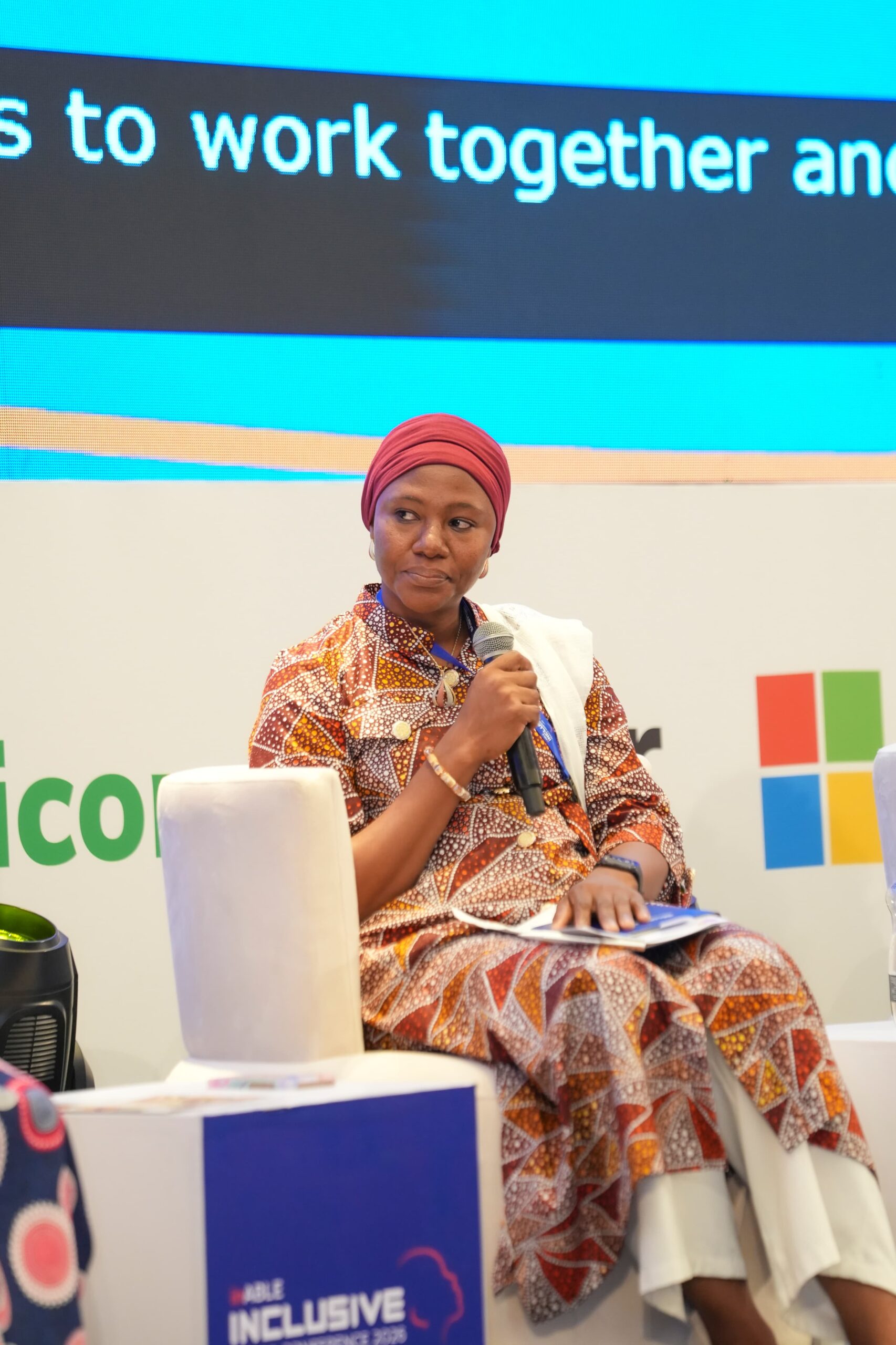
An estimated 225 million Africans living with disabilities are excluded from education, employment and digital participation due to limited access to assistive technologies, according to a new continent-wide assessment commissioned by the Mastercard Foundation.
The Assistive Technology Landscape in Africa Report, released during the Inclusive Africa Conference in Nairobi, highlights persistent gaps in access to essential tools such as wheelchairs, hearing aids, screen readers, Braille devices and communication aids.
The study was developed by a consortium led by Stellenbosch University, in partnership with Kwame Nkrumah University of Science and Technology, Humanity & Inclusion, and the Clinton Health Access Initiative. It provides one of the most comprehensive assessments yet of the continent’s assistive technology ecosystem.
The report estimates that about 15% of Africa’s population lives with a disability, but access to assistive technologies remains uneven, constrained by high costs, limited availability and weak distribution systems.
Rural and underserved communities are the most affected, with users facing long travel distances to service providers, limited repair services and high out-of-pocket costs for devices.
While many African countries have adopted disability inclusion and accessibility policies, the report says implementation remains inconsistent due to weak coordination, limited financing and gaps in delivery systems.
Most assistive technology products in Africa are still imported, with limited local manufacturing capacity restricting affordability and the development of context-specific solutions.
The report notes that demand for assistive technologies is rising due to population growth, increased awareness of disability rights and expanding digital services. However, supply chains remain fragmented and underfunded.
Financing constraints and weak procurement systems continue to limit access for millions who require mobility, learning and communication support tools.
Despite these gaps, the report frames assistive technology as an emerging economic sector with potential for job creation, innovation and entrepreneurship, particularly in manufacturing, repair services and digital accessibility solutions.
Through its Young Africa Works strategy, the Mastercard Foundation aims to enable 30 million young Africans to access dignified work by 2030, including 1.5 million young people with disabilities under its disability inclusion strategy launched in 2023.
The report is expected to inform future investment and policy priorities across education systems, labour markets and digital inclusion frameworks.
It concludes that assistive technology is becoming central to Africa’s inclusion agenda, as governments and development partners weigh the cost of continued exclusion against the benefits of expanded access.