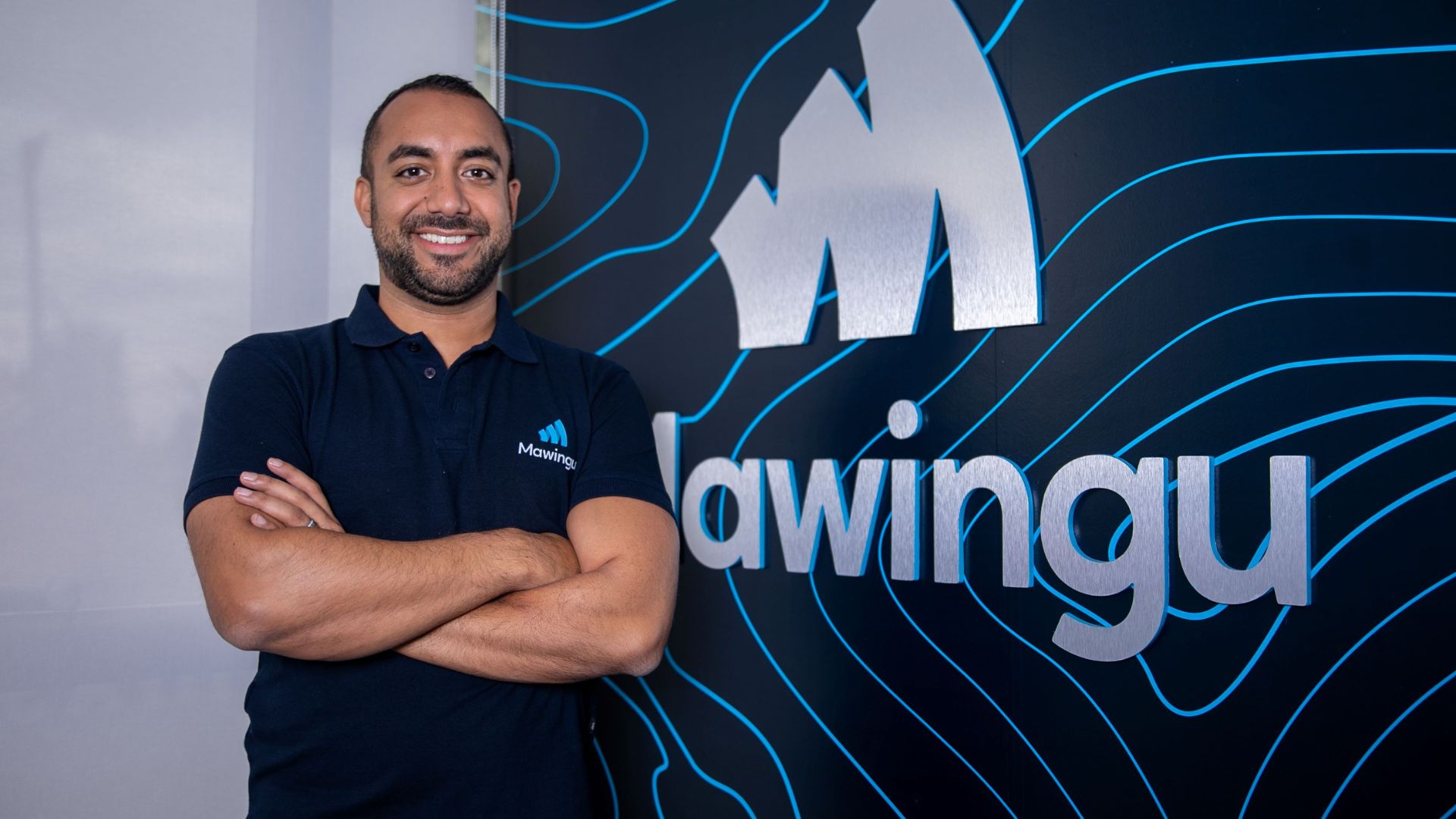
For decades, Africa’s technology story has been centred on major cities such as Nairobi, Lagos, Cape Town, and Kigali. These urban hubs have attracted investment, startups, and digital talent, becoming symbols of the continent’s growing innovation economy. However, Mawingu, Kenya’s largest ISP for rural and peri-urban areas, a quieter transformation is taking place beyond city limits.
Sub-Saharan Africa remains predominantly rural, with an estimated 57% of its population,more than 700 million people, living outside major urban centres. Despite this, much of the continent’s digital infrastructure investment has historically been concentrated in cities, leaving millions of people disconnected from the opportunities of the digital economy.
As internet access increasingly becomes a prerequisite for education, healthcare, entrepreneurship, and economic participation, many experts believe Africa’s next wave of innovation may emerge from the very communities that have long been overlooked. Launched in 2012, at the foothills of Mount Kenya, in Nanyuki. Mawingu has expanded its coverage to 33 counties in Kenya serving over 20,000 active customers, connecting over 35,000 homes and businesses. Recently, Mawingu launched in Kwale County in line with its long-term ambition of positively impacting 1,000,000 Africans by 2028 through inclusive and meaningful digital access.
Mawingu Sees The Untapped Potential Beyond Urban Centres
While Africa has made significant progress in mobile connectivity, the digital divide remains one of the continent’s biggest development challenges.
According to the International Telecommunication Union (ITU), only 38% of Africa’s population currently uses the internet, well below the global average of 68%. Although approximately 85% of Africans are covered by at least 3G mobile broadband services, only 60% have access to 4G networks, while 5G coverage remains limited at just 11%.

The disparities are even more pronounced in rural communities. ITU estimates show that one in four people living in rural Africa still has no possibility of connecting to the internet due to gaps in broadband coverage. Limited infrastructure, high data costs, device affordability challenges, and low digital literacy continue to restrict meaningful access.These barriers have real-world consequences.
Without reliable connectivity, students struggle to access digital learning resources, farmers miss opportunities to obtain market information, healthcare facilities face challenges in accessing specialist services, and entrepreneurs are unable to fully participate in the digital economy.
Why Connectivity Matters More Than Ever
Across the world, internet connectivity is increasingly viewed as critical infrastructure. Research shows that increased digital connectivity contributes to economic growth, job creation, financial inclusion, and improved access to essential services. Mobile money platforms, digital marketplaces, e-learning solutions, and telemedicine services all depend on reliable internet access.
For Africa, where the majority of the population is under the age of 25, connectivity represents more than convenience,it represents opportunity.
From accessing online education and remote work opportunities to launching digital businesses and participating in global markets, internet access is becoming a key driver of economic empowerment.
Experts argue that bridging Africa’s digital divide will require not only investment in infrastructure but also efforts to improve affordability, digital skills, and the relevance of online content for underserved communities. And these has been the focus of Mawingu.
The Company Betting on Rural Connectivity
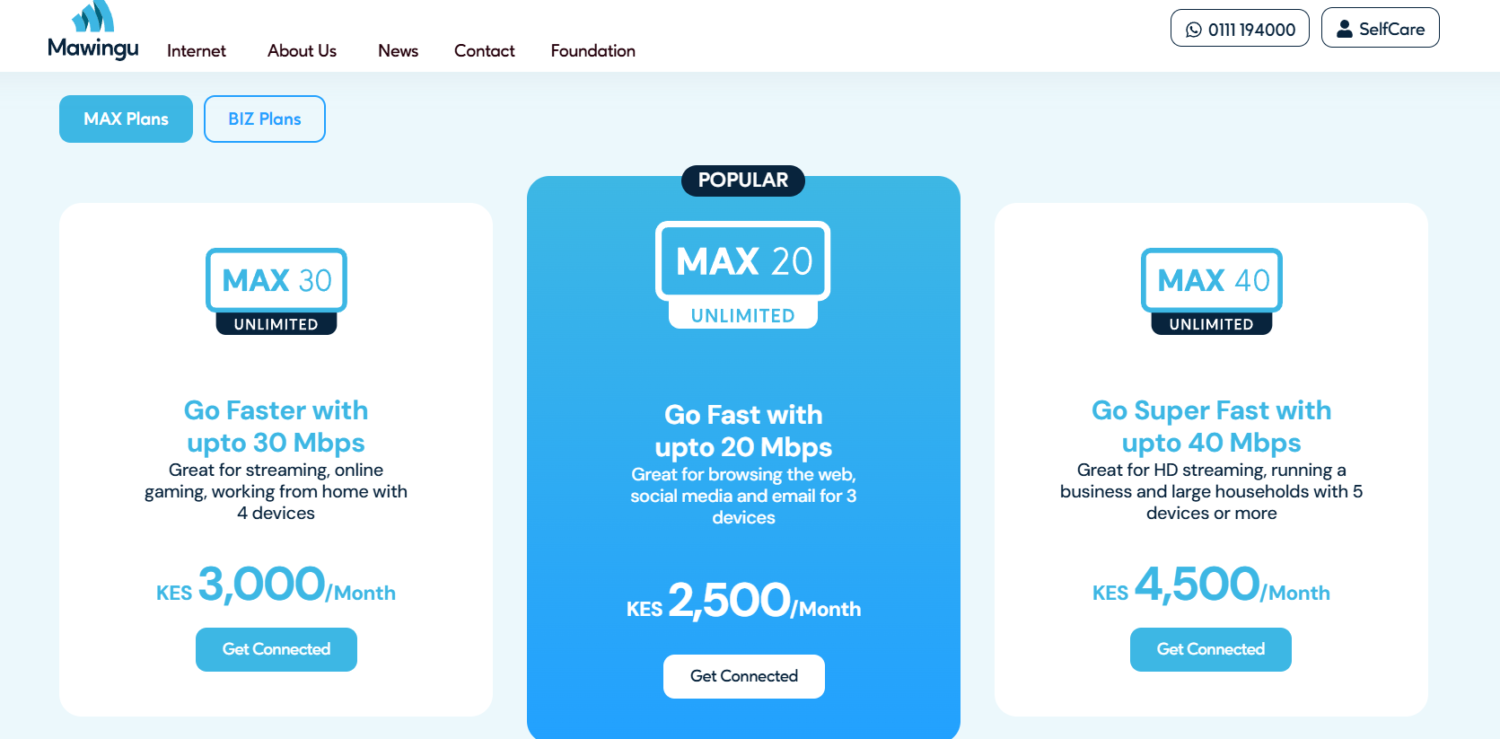
Operating across more than 33 counties in Kenya and expanding into Tanzania through its sister company Habari, Mawingu Group focuses on delivering affordable internet services to rural and peri-urban communities that have traditionally been underserved by mainstream providers.
According to CEO Farouk Ramji, the company’s mission was born from a simple observation: the majority of East Africans live outside urban centres, yet most internet investment was flowing in the opposite direction.
“We saw a structural gap and an enormous opportunity,” he says.
That vision has since evolved into a broader mission to ensure that geography does not determine access to education, healthcare, markets, or economic opportunity.
Transforming Education Through Digital Access
One of the clearest examples of connectivity’s impact can be seen in education. Through partnerships and community initiatives, schools and technical training institutions are gaining access to digital learning resources that were previously unavailable.
Students at vocational training institutions can now supplement classroom instruction with online tutorials, technical demonstrations, and industry-specific content. For many learners, internet access provides exposure to skills and knowledge that improve their career prospects and employability.
The impact is also being felt in special needs education. Digital tools and online resources are helping educators support visually impaired learners, deaf students, and children with intellectual disabilities through more inclusive learning experiences.
As technology continues to evolve, connectivity is helping ensure that learners in remote communities are not left behind.
Connectivity Is Transforming Special Needs Education
The impact of digital connectivity is perhaps most visible in special needs education, where technology is helping bridge learning gaps and create more inclusive classrooms.
At Kambi ya Juu Integrated Primary School in Isiolo, teacher Amina uses Microsoft Copilot to generate audio descriptions of images for visually impaired learners.
“When we teach about animals, maps, or complex diagrams, our learners can see through sound,” she says.
At Likii Special School in Laikipia, digital tools are helping learners with intellectual disabilities connect visual concepts to real-world objects, improving communication, engagement, and comprehension.
Meanwhile, at Wajir School for the Deaf, internet connectivity has opened access to sign language content, digital learning resources, and educational opportunities that were previously difficult to reach.
These examples illustrate how reliable internet access is helping ensure that learners with different abilities are not left behind in Kenya’s digital transformation.

Creating Opportunities for Farmers and Entrepreneurs
The benefits of internet access extend well beyond the classroom.For farmers, connectivity is increasingly becoming a business tool. Access to market prices, agricultural information, financial services, and weather updates can help improve decision-making and increase productivity.
Entrepreneurs and small businesses are also leveraging digital tools to expand their customer base, streamline operations, and participate in online commerce.
For instance: At Ainabkoi Farmers’ Cooperative Society, connectivity has enabled farmers to access market information, weather forecasts, and digital financial services, helping improve decision-making and productivity.
As connectivity improves, rural communities are becoming active participants in the digital economy rather than passive observers.
Mawingu Says The Future of Innovation Is Rural
Farouk Ramji believes that Africa’s next generation of innovators will emerge from places that have historically been excluded from the technology ecosystem.
As barriers to connectivity continue to fall, talented young people in rural communities are gaining access to the same information, learning opportunities, and digital tools available in major cities.
This shift has the potential to unlock entirely new sources of innovation and entrepreneurship across the continent.
The future of Africa’s technology sector may not be determined solely by what happens in established innovation hubs. It may also be shaped by students learning online in remote schools, farmers accessing new markets through digital platforms, and entrepreneurs building businesses from communities that were once disconnected from the digital world.
Bridging the Digital Divide
Ramji knows that closing Africa’s digital divide requires more than infrastructure alone. It requires partnerships, investment, digital skills training, and a commitment to ensuring that connectivity translates into meaningful opportunities. And that’s what Mawingu is all about.
As governments, technology companies, and development partners work to expand internet access, the focus is increasingly shifting from simply connecting people to empowering them.
For millions across rural Africa, reliable internet access is opening doors to education, innovation, and economic participation.
And as that transformation continues, the continent’s next tech revolution may emerge from the communities that were once considered the hardest to reach and one company has built its business around this opportunity and is seeing results.