

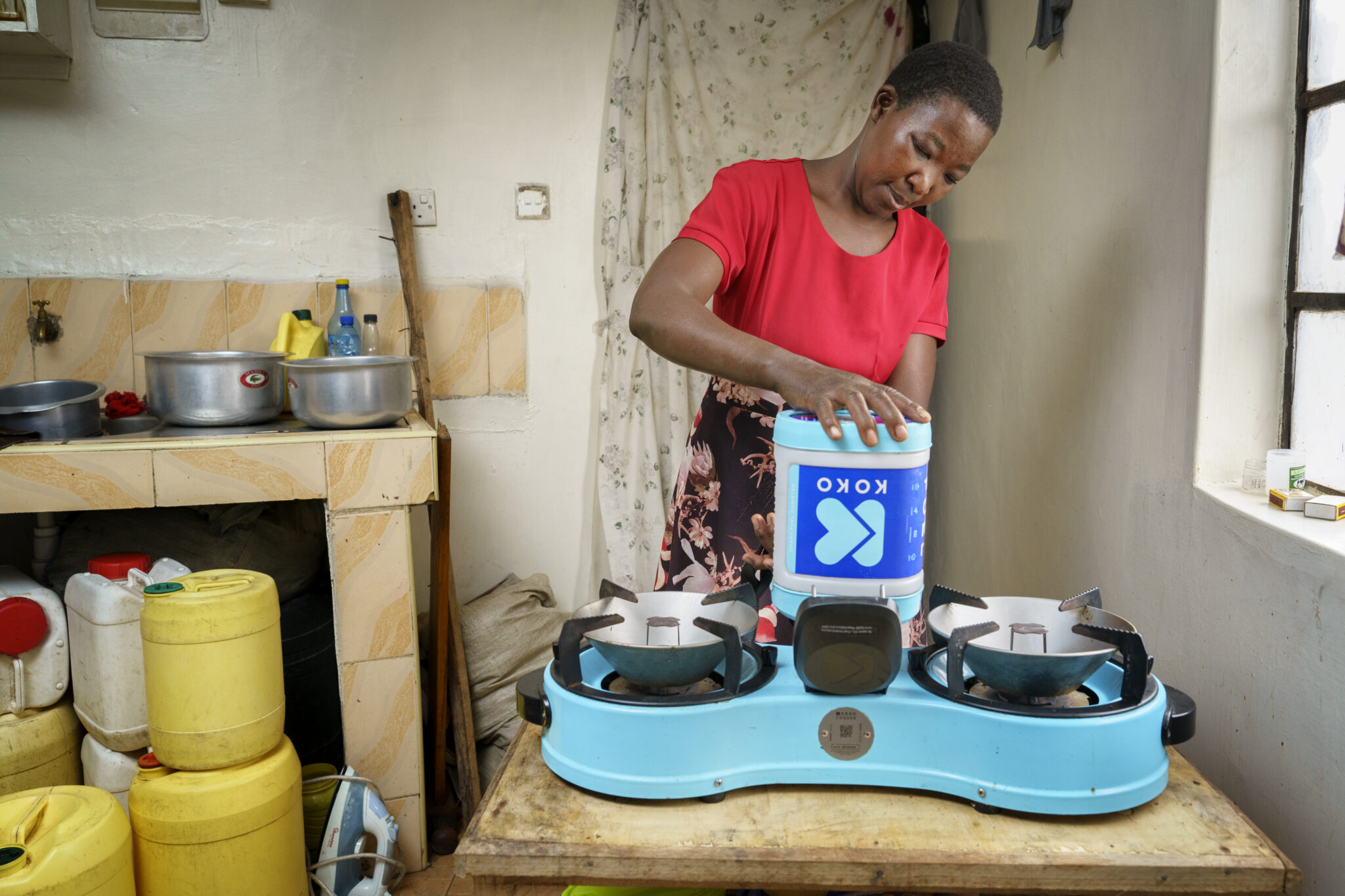
The core assets of Koko Networks, once one of Africa’s most ambitious clean-energy startups, have been put up for sale as administrators seek buyers for its ethanol cooking technology, manufacturing operations and fuel distribution platform following the company’s collapse.
The sale process represents an attempt to recover value from a venture that raised more than $100 million from investors and spent years building what it described as a carbon-financed clean cooking utility for low-income households in Kenya.
According to a public request for expressions of interest issued by administrators and liquidators in Mauritius and India, buyers are being sought for an integrated package of assets including Koko’s ethanol cooking intellectual property, hardware and software designs, patents, a stove and canister manufacturing facility in Sanand, Gujarat, India, as well as its ethanol fuel retail and distribution platform.
Interested parties are required to demonstrate the financial ability to complete a transaction exceeding $15 million, according to the sale notice. The figure represents a qualification threshold for potential bidders rather than a confirmed valuation of the assets.
PricewaterhouseCoopers (PwC) is acting as transaction adviser, with interested buyers expected to request formal sale documentation before the deadline for participation.
Koko Networks built its business around replacing charcoal and other traditional cooking fuels with bioethanol, using a technology-driven distribution model that included thousands of automated fuel dispensing points known as KokoPoints. At its peak, the company said its network served approximately 1.5 million households in Kenya.
The company attracted backing from major climate and development investors, including funds linked to Microsoft and development finance institutions, based on a model that combined clean cooking access with revenue from carbon credits.
That model collapsed after Koko failed to secure regulatory approval required to transfer carbon credits internationally, disrupting access to higher-value carbon markets that were central to the company’s economics.
The funding challenge forced Koko to halt operations earlier this year, with hundreds of employees losing their jobs as the company entered administration.
The asset sale now underway is focused on creditor recovery rather than a business relaunch. Secured lenders that provided financing against Koko’s assets are expected to have priority claims over proceeds from any transaction.
The collapse has become a significant case study for investors in Africa’s climate-tech sector, highlighting the risks facing businesses that depend on carbon markets, regulatory approvals and emerging climate-finance mechanisms.
For potential buyers, the challenge will be determining whether Koko’s technology can succeed under a different ownership structure, in another market, or through a business model that is less dependent on carbon credit revenues.
The outcome of the sale will determine whether Koko’s decade-long investment in clean cooking infrastructure becomes a recoverable technology platform or a cautionary example of the risks involved in building climate businesses around uncertain policy frameworks.