
Apple unveiled a new Mac mini powered by its M6 chip, positioning the compact desktop as a machine for running artificial-intelligence workloads locally as the company pushes more computing away from the cloud and onto consumer devices.
The new Mac mini delivers up to four times faster AI performance than the previous M4 model, along with twice the graphics and storage performance and a 40% increase in CPU performance, Apple said Tuesday. A higher-end M5 Pro version is aimed at developers, creative professionals and other users running demanding AI and graphics workloads.
The launch reflects a broader shift in personal computing as generative AI and software agents demand more processing power. Apple is betting that its own silicon can handle increasingly sophisticated workloads directly on the device, reducing reliance on cloud infrastructure and allowing more AI processing to happen locally.
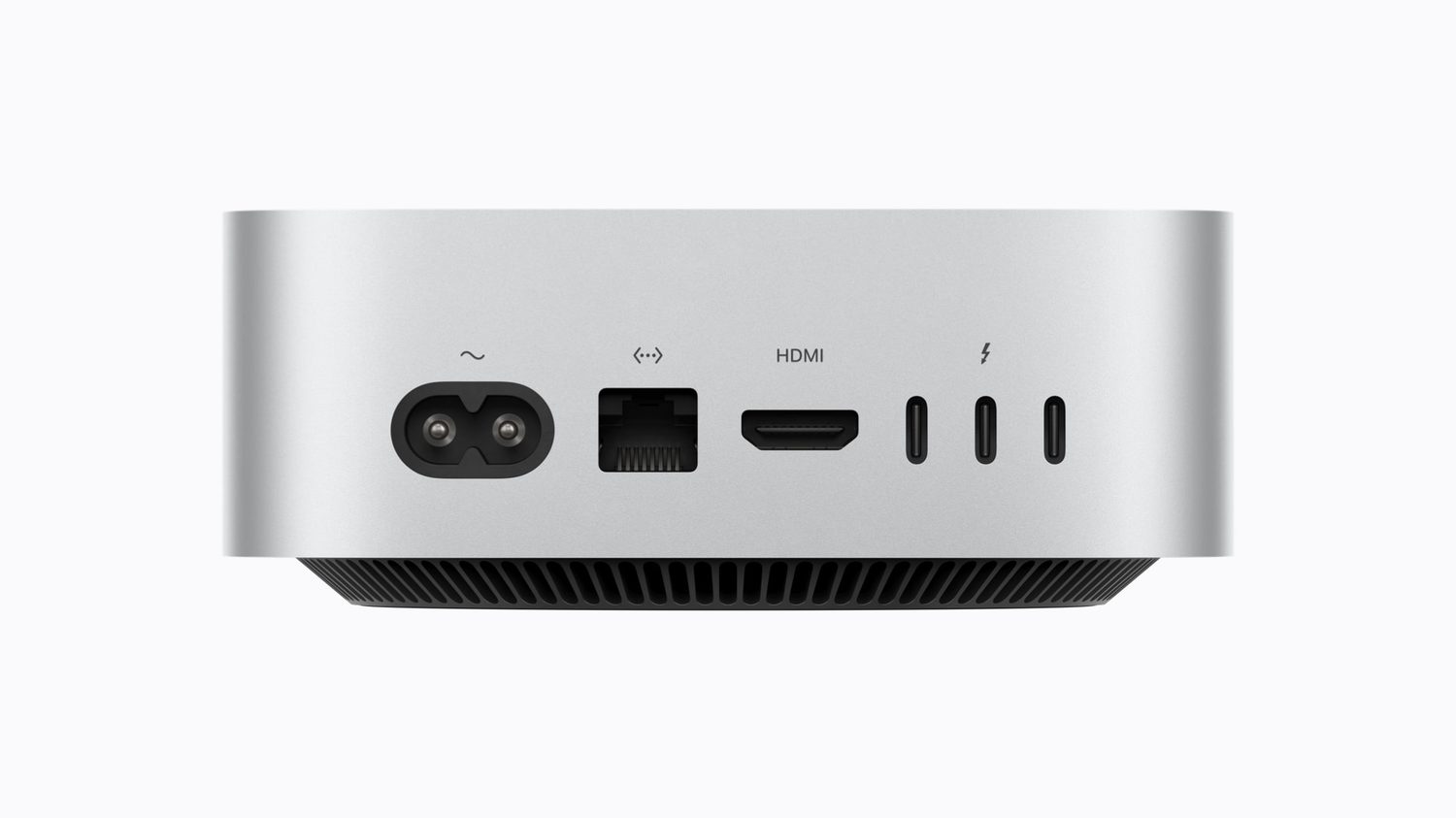
The M6 Mac mini has a 12-core CPU and 12-core GPU, with Neural Accelerators in every GPU core and a dual 16-core Neural Engine. It starts with 16GB of unified memory and can be configured with up to 32GB, while memory bandwidth reaches 170GB per second.
Apple says the M6 model can deliver up to four times faster AI performance and twice the graphics performance of the M4 Mac mini. Storage performance is also up to twice as fast, giving the machine gains across both traditional computing and AI workloads.
The M5 Pro version raises the performance ceiling, with configurations reaching 18 CPU cores, 20 GPU cores and 64GB of unified memory. Its memory bandwidth reaches 307GB per second, making it better suited to larger AI models, professional video production, 3D rendering and other computationally intensive workloads.
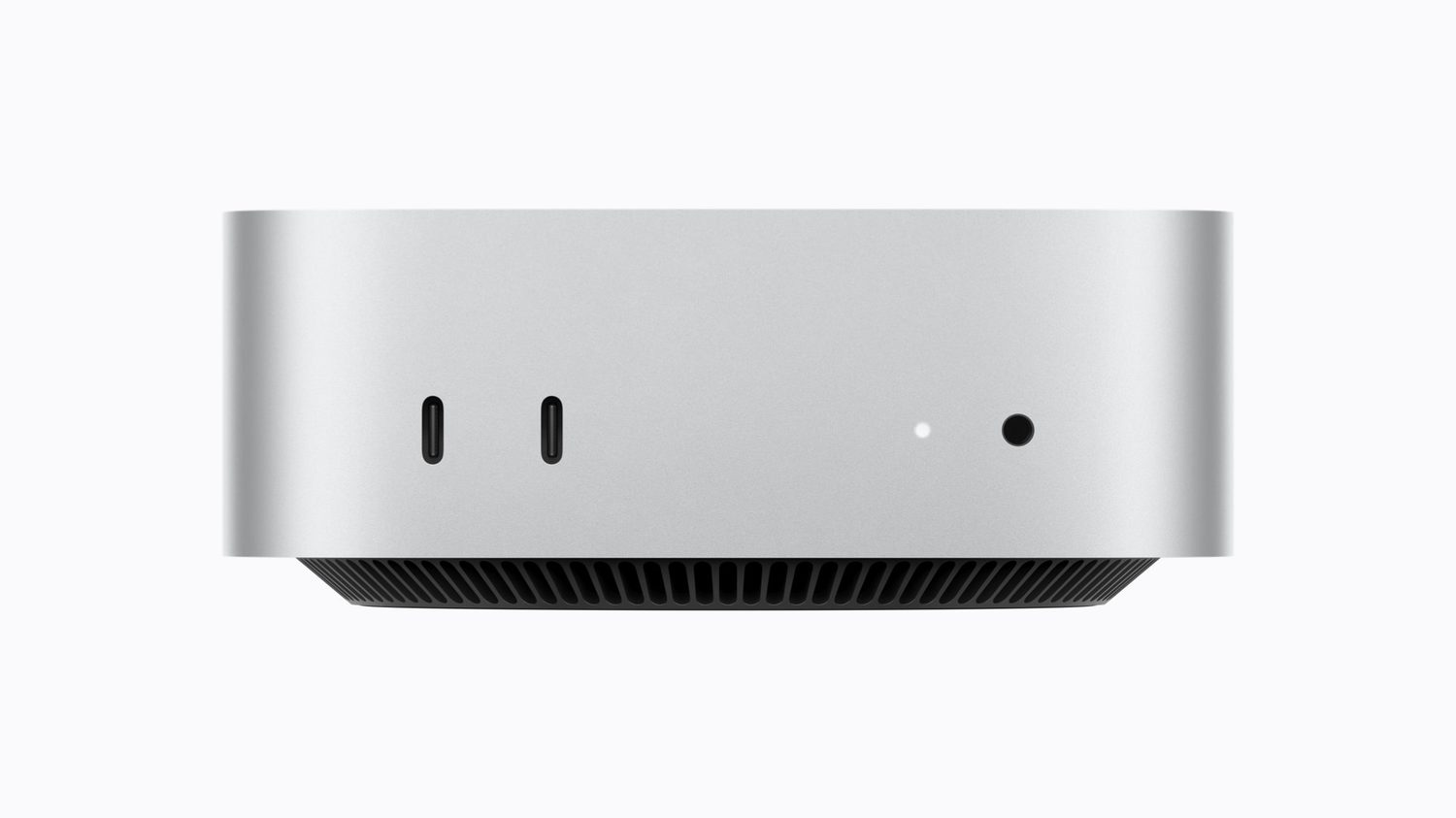
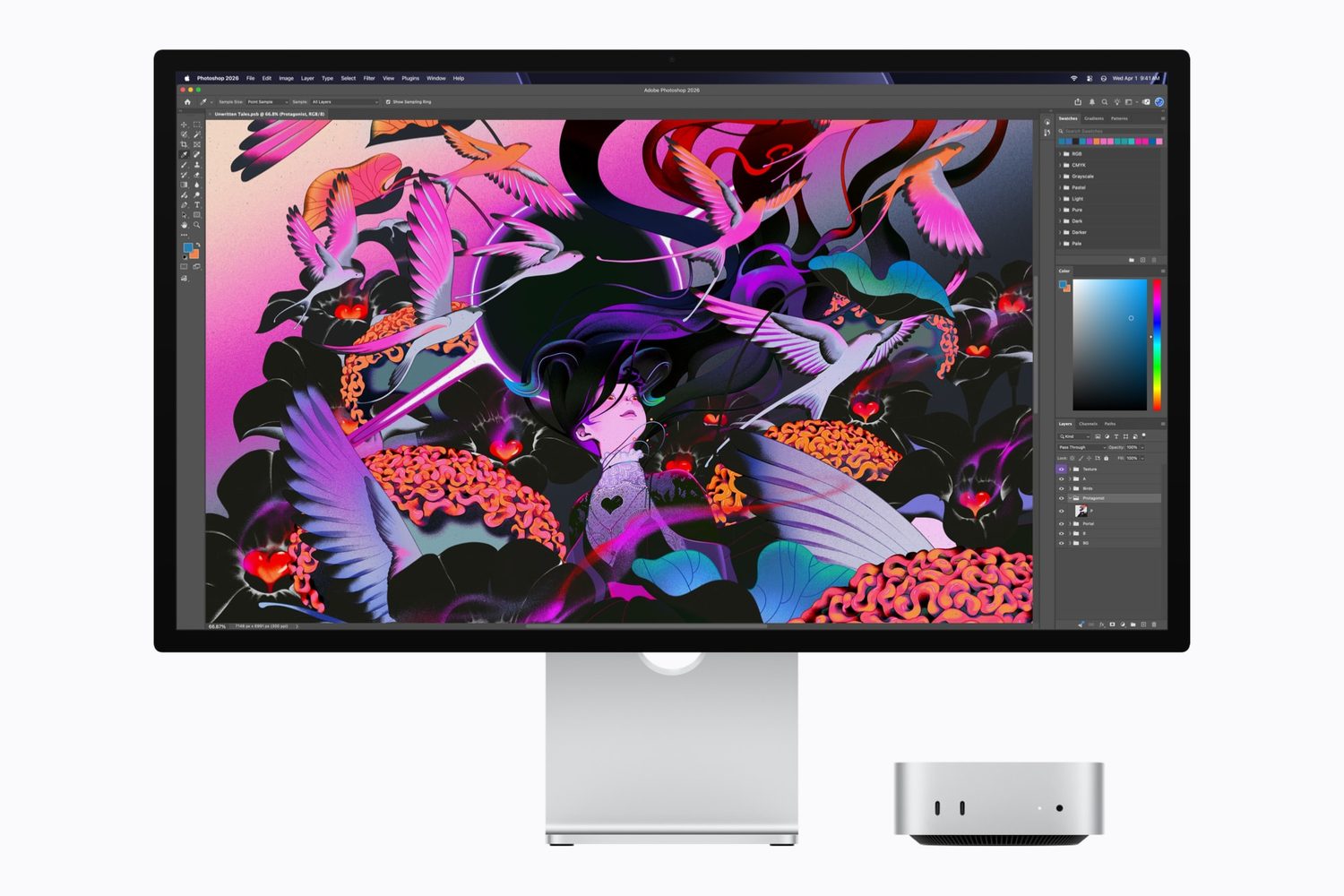
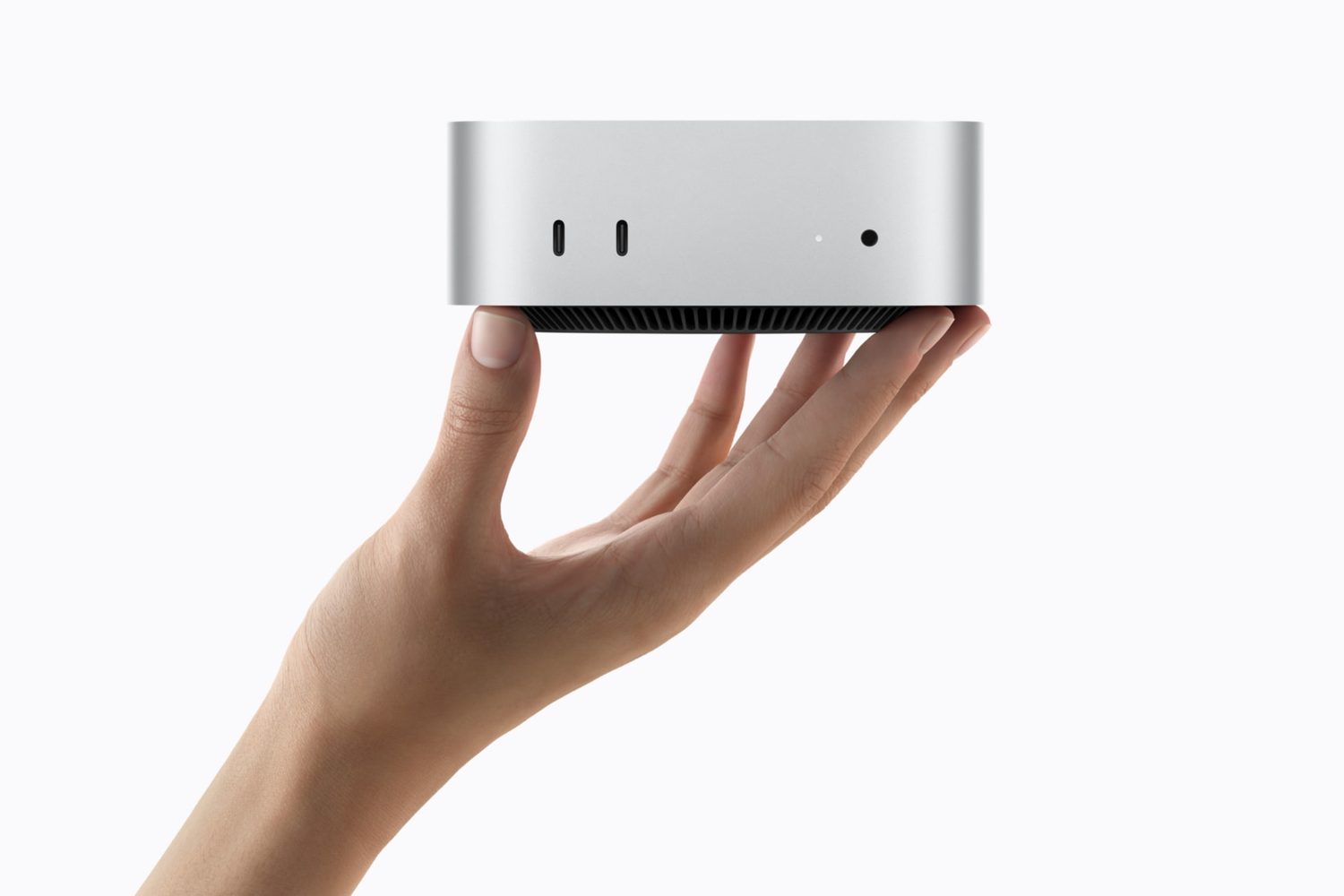

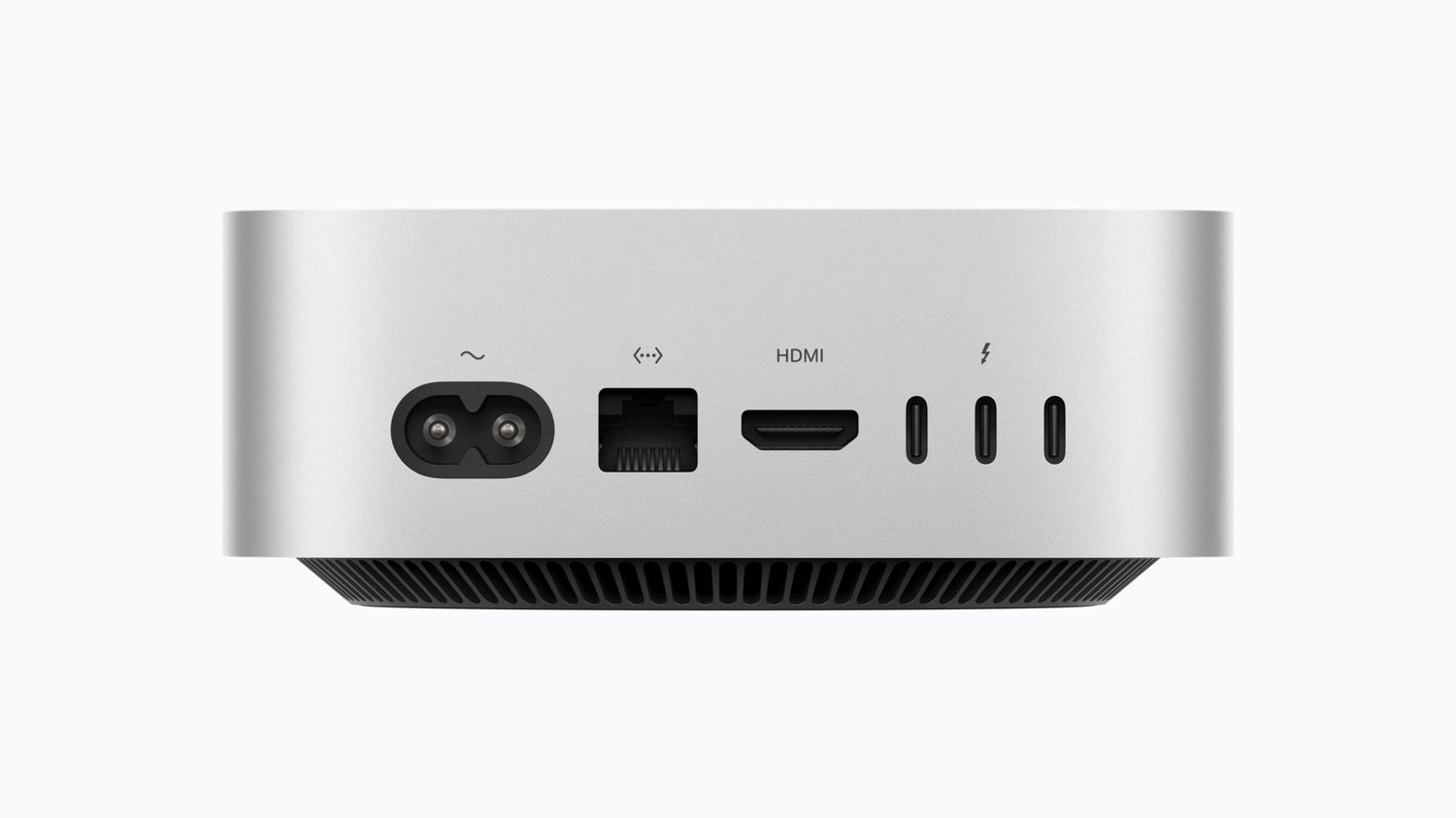
Apple says the M5 Pro can process large-language-model prompts up to 8.5 times faster than a Mac mini with M2 Pro. It also delivers substantial gains in ray-tracing performance, while its Thunderbolt 5 connectivity allows multiple Mac mini systems to be connected for larger on-device AI workloads.
Mac mini M6 vs. M5 Pro
| Specification | Mac mini with M6 | Mac mini with M5 Pro |
|---|---|---|
| Starting price (US) | $899 | $1,699 |
| CPU | 12-core | Up to 18-core |
| GPU | 12-core | Up to 20-core |
| Neural processing | Dual 16-core Neural Engine + Neural Accelerators | Neural Accelerators in every GPU core |
| Unified memory | 16GB, configurable to 32GB | Up to 64GB |
| Memory bandwidth | Up to 170GB/s | 307GB/s |
| AI performance | Up to 4x faster than M4 | Up to 8.5x faster LLM prompt processing than M2 Pro |
| Graphics | Up to 2x faster than M4 | Up to 4.5x faster ray-tracing rendering than M2 Pro |
| Ethernet | 2.5Gb, 10Gb option | 2.5Gb, 10Gb option |
| Wireless | Wi-Fi 7, Bluetooth 6 | Wi-Fi 7, Bluetooth 6 |
| Thunderbolt | 3 × Thunderbolt 4 | 3 × Thunderbolt 5 |
| Availability | Sept. 22, 2026 | Sept. 22, 2026 |
Connectivity has also been upgraded. Both models support Wi-Fi 7, Bluetooth 6 and 2.5-gigabit Ethernet, with 10-gigabit Ethernet available as an option. The M6 version has three Thunderbolt 4 ports, while the M5 Pro moves to Thunderbolt 5.
Apple is also linking the hardware to its broader AI software strategy. The new Macs are designed to support macOS 27 and the next generation of Apple Intelligence, including new Siri AI capabilities and workflows that can operate across applications.
That combination of silicon and software is central to Apple’s strategy. Rather than treating AI as a feature that users access primarily through the cloud, the company is building machines capable of running models and AI-powered workflows directly on the computer.
The approach could become increasingly important as AI agents move beyond answering questions toward performing tasks on behalf of users. Local processing can reduce latency and, in some cases, limit the amount of personal information that needs to leave the device.
Apple has kept the Mac mini’s compact five-by-five-inch footprint while substantially increasing its processing capabilities. The M6 is also Apple’s first 2-nanometer chip, underscoring the company’s effort to improve performance and efficiency without moving to a larger desktop design.
The M6 Mac mini starts at $899 in the US, while the M5 Pro version starts at $1,699. Apple began taking preorders Tuesday, with customer deliveries and retail availability scheduled for Sept. 22.
For Apple, the significance of the launch extends beyond a faster desktop. The Mac mini gives the company a relatively compact and lower-cost platform for its broader push toward on-device AI — where computers increasingly process models locally and act on a user’s behalf rather than simply running conventional applications.