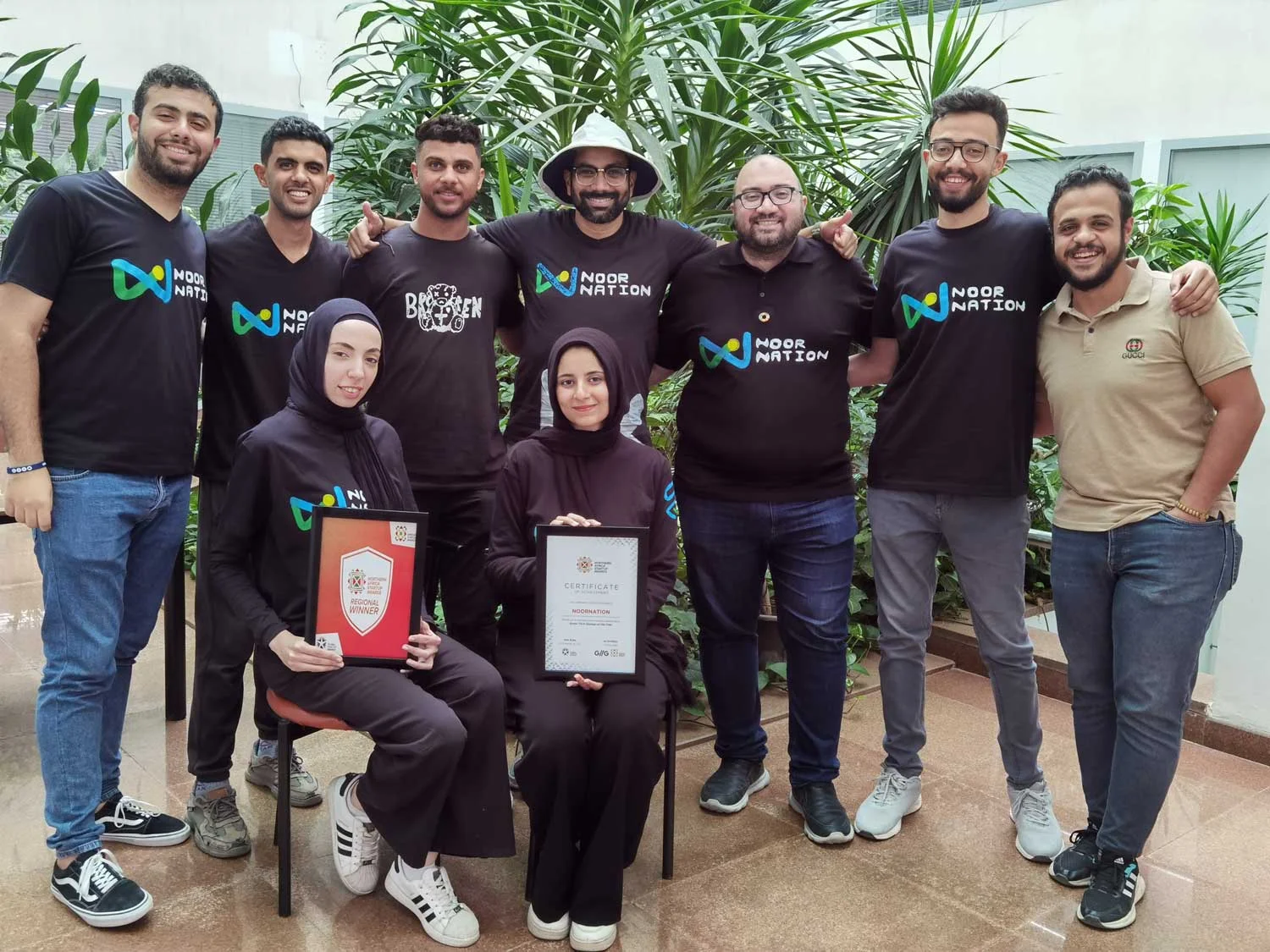
Egyptian climate technology startup NoorNation has raised $1.05 million in seed funding from investors including Linah Farms, Catalyst Fund and Saudi Arabia’s KBW Ventures, as it seeks to expand solar-powered irrigation and decentralised energy infrastructure across Egypt and Sub-Saharan Africa.
The investment comes as rising energy costs and limited access to reliable electricity continue to weigh on agricultural businesses, particularly farms operating beyond established power networks.
Founded in 2021 by Ragy Ramadan and Mohamed Khaled, NoorNation develops solar-powered electricity and water systems designed to help agricultural businesses and rural communities reduce their dependence on diesel generators and conventional electricity infrastructure.
The company’s flagship product, LifeBox, combines solar energy generation with water infrastructure to support irrigation, desalination and other applications in off-grid locations.
The latest financing brings Linah Farms into NoorNation’s shareholder base after the agricultural group initially adopted the startup’s technology across several commercial operations.
The relationship illustrates how climate technology companies are increasingly converting commercial customers into strategic investors as they demonstrate the financial benefits of renewable energy adoption.
Solar Projects Deliver Millions in Energy Savings
NoorNation has already deployed renewable energy systems across Linah Farms’ agricultural operations in Egypt’s Bahariya Oasis, an agricultural school and Sultan Gardens Resort in Sharm El Sheikh.
According to co-founder Ragy Ramadan, solar-powered irrigation installations at Linah Farms’ Bahariya Oasis operations have generated more than EGP 3 million in diesel savings.
Separately, a solar installation at Sultan Gardens Resort has reduced electricity costs by more than EGP 2.2 million.
The reported savings provide a commercial case for solar adoption in sectors where fuel expenses can account for a significant portion of operating costs.
The two companies have also agreed to develop five additional solar installations across Bahariya Oasis and West Minya, with a combined generation capacity of approximately 1.13 megawatt-peak (MWp).
The new projects will include solar-powered irrigation systems and a hybrid power station, extending the partnership beyond its initial installations.
Once the additional projects are included, NoorNation says its combined solar capacity delivered and under implementation for Linah Group will reach approximately 1.71 MWp.
Betting on Pay-Per-Use Solar Irrigation
A central part of NoorNation’s expansion strategy involves developing a pay-per-use solar irrigation model that would allow farmers to access solar-powered pumping systems without necessarily bearing the full upfront cost of installing renewable energy infrastructure.
The model targets farmers who continue to rely on diesel-powered water pumps, exposing their operations to fuel costs and supply disruptions.
Under the proposed approach, farmers would pay for irrigation services based on usage rather than purchasing and maintaining complete solar installations themselves.
Linah Farms is expected to support financing for the initiative, potentially helping NoorNation extend its technology to agricultural businesses that might otherwise struggle to afford solar equipment.
The model could also create recurring revenue opportunities for NoorNation while lowering the financial barriers associated with renewable energy adoption.
However, the company has not disclosed the planned commercial launch date, pricing structure or number of farmers it expects to serve through the initiative.
Saudi Investors Back Egypt’s Climate Technology Sector
The funding round also includes Catalyst Fund, an investor focused on climate technology, and KBW Ventures, the investment firm founded by Saudi Prince Khaled bin Alwaleed.
KBW Ventures previously invested in NoorNation in 2024, marking its entry into Egypt’s startup ecosystem. The value of that earlier investment was not disclosed.
The participation of both regional and climate-focused investors reflects interest in technologies addressing energy access, water security and agricultural productivity.
For NoorNation, the investment provides additional capital to develop its solar irrigation offering and expand decentralised energy solutions into underserved markets.
The company has identified Egypt and Sub-Saharan Africa as target markets, although it has not disclosed specific expansion countries or a timetable for entering them.
Across Africa, agricultural businesses face persistent challenges accessing affordable electricity and reliable water supplies, creating opportunities for companies developing energy systems that operate independently of national power grids.
NoorNation is positioning itself at the intersection of these challenges, using solar technology to address both energy costs and access to irrigation.
Its next test will be whether the savings demonstrated through larger commercial installations can be replicated through a pay-per-use model serving smaller farmers.
The company’s ability to finance, deploy and maintain such systems at scale will be critical to turning its technology into a commercially sustainable agricultural infrastructure business.