back to top
Wednesday, April 8, 2026
spot_imgspot_imgspot_imgspot_img
Home Blog Page 15

How Buying Data on M-PESA Opened New Doors for Sheila

Sheila Cheptoo, a 25-year-old poultry farmer in the quiet village of Masare, in Bomet County, rises early before sunrise. The soft rustling of her 132 chickens is the first thing she hears each morning. It reminds her of how far she has come and how much more she hopes to achieve.

Sheila’s life has never been easy. After finishing her secondary education, she began hustling to support her mother, her siblings, and her infant child. With no formal job opportunities in sight, she started selling clothes at local markets in Bomet. But despite her efforts, the business did not survive, leaving her with more questions than answers about her future.

Five months ago, she made a bold decision to try poultry farming, which is still growing. She is also trying her hand at maize farming. These ventures depend on microloans that are often insufficient.

However, Sheila’s journey took an extraordinary turn on a seemingly ordinary day. While buying a 1.2GB data bundle for Kes 55 and airtime for Kes 23 through M-PESA, something she does regularly, she unknowingly entered the ongoing Shangwe @ 25 promotion by Safaricom. The routine transaction that most people make without a second thought became the moment that changed her life.

When she found out she won Kes 1M, Sheila felt overwhelmed with disbelief and gratitude. For her, the reward is not just a prize but also a gateway to new possibilities. With her winnings, she plans to expand her poultry farm into a fully developed commercial enterprise. Sheila dreams of moving to large-scale production, creating a sustainable income stream that can support her family for years.

Beyond her personal goals, Sheila stays connected to her community. With the additional KES 250,000 community project fund, she has chosen to support Kapsimotwa Primary School. She plans to provide essential supplies, bedding, food, and other necessities to improve the well-being of vulnerable children taken in by the institution. Her gesture shows that she understands struggle and is determined to uplift others while she rises.

Sheila’s story is one of quiet courage and unwavering determination. From a village in Bomet, she shows how resilience can turn challenges into stepping stones. A simple mobile transaction can open doors no one could have predicted. Her journey is not only inspiring but also a powerful reminder that hope often comes from the most unexpected places.

And Sheila is not alone. Since its launch, the Shangwe @25 National Consumer Promotion has continued to reward thousands of customers daily and weekly with cash prizes, data bundles, devices, and business support tools. Every week, customers cash prizes from Kes 10,000, to Kes 100,000—contributing to more than 50,000 winners weekly. Over the promotion period, more than 5 million customers are expected to win prizes worth Kes 250 million.

As Sheila works toward building a commercial poultry enterprise, supporting her siblings through school, and giving back to her community, her story stands as a testament to the potential of Kenya’s youth: resourceful, ambitious, and ready to build better futures—one small step, one brave decision, and sometimes, one lucky moment at a time.

The Shangwe @25 promotion is still ongoing. Customers can participate simply by transacting on M-PESA, sending money, paying with M-PESA, redeeming Bonga Points, or purchasing any Safaricom products such as data bundles, voice bundles, digital services, or Home Fibre. Merchants and M-PESA agents also qualify through Buy Goods, Pochi la Biashara, and transactions from Kes 1,000 and above

Boehringer Ingelheim’s Social Engagement Fund Invest in Dawa Mkononi, Kasha & Reach52

0

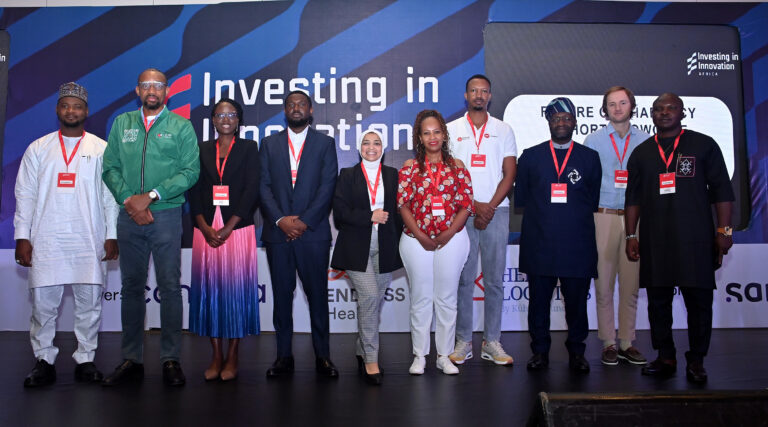
Boehringer Ingelheim’s Social Engagement Fund has invested in Dawa Mkononi, a member of the latest i3 cohort, Kasha, and Reach52 to drive the future of pharmacy across Africa.

The three were part of the 15 innovators at the i3’s A2M accelerator working closely with innovators building the future of pharmacy care in Africa and completing more than 110 bespoke introductions to customers and investors, generating 15 partnerships with a potential value exceeding $20 million.

The other innovators include Chefaa, MeditectmPharmaMYDAWASproxil and Zuri Health.

“We are delighted to invest in three additional startups that deliver a strong impact to communities across Africa,” says Dr. Ilka Wicke, Head of Sustainability Social. “These partnerships reflect our belief that sustainable healthcare solutions are best built through collaboration – with local innovators who understand the needs on the ground and with global partners who can help scale their vision. Together, we’re making meaningful progress toward our goal of improving the lives of 50 million people by 2030. We’re thrilled to celebrate progress with our partners who share this vision across the i3 program.”

 At an unprecedented pace of more than one advancing partnership per week, i3 continues to deliver best-in-class growth advisory support to African healthtech innovators.

This year’s A2M brought together 15 leading African healthtech startups, whose innovations already power more than 66,000 healthcare providers across 12 African countries and are on track to reach over 167,000 providers by 2028, demonstrating a powerful channel for improving patient access and strengthening health systems.

A2M also convened 41 prominent investors, global and regional pharmaceutical manufacturers, donors, development finance institutions, and multilateral agencies—including Grand Challenges Canada, IFC, World Bank, Pfizer, Causal Foundry, Proqurable, Federal Ministry of Health, PVAC, and i3’s sponsors—who are all working to accelerate scalable innovations, create jobs, and expand healthcare impact across the continent.

The Logistics Metrics Every CFO Should Watch This Quarter

0

Freight, warehouse, and labor expenses now form a major share of logistics budgets. CFOs require financial visibility that connects per-order cost, freight variance, labor efficiency, and return-related expenses directly to cash flow. Rising inventory carrying costs and higher carrier rates increase the need for standardized definitions and consistent data reporting across operational functions.

Structured reporting enables finance to identify persistent cost drivers, track supplier compliance, and evaluate fulfillment performance at the SKU level. Monthly dashboards that display cost, productivity, and variance data establish measurable links between logistics performance and profitability. This information foundation strengthens forecasting accuracy and supports timely adjustments in spend allocation and partner performance review.

Connecting Operations to Real Costs

A clear cost segmentation into direct and indirect categories reveals how warehouse activity influences spending behavior and simplifies variance analysis across channels. Including custom kitting services within this structure reduces operational costs by optimizing assembly, bundling, and packaging processes. This allows finance teams to allocate expenses with greater precision and capture efficiency gains that strengthen overall profit margins.

Integrating financial systems with operational platforms streamlines cost flow and cuts reconciliation time. SKU level performance evaluation exposes high resource products and supports targeted margin fixes. Tracking chargebacks, refunds, and quality linked costs ties fulfillment precision to profit and guides corrective action going forward. Use shared reporting to align procurement and operations decisions.

Identifying Cost Drivers Within Logistics

Carrier contract reviews expose surcharge patterns and dimensional weight errors that inflate shipment costs. Examining rate sheets, zone mappings, and fuel surcharge triggers uncovers negotiation levers and leads to precise remediation. Parallel analysis of labor at the process level, including picking, packing, and receiving, reveals productivity gaps and indicates where headcount or training adjustments are justified.

Packaging efficiency measured by cost per shipment, wasted material rate, and damage frequency exposes resource waste and supports right-sizing pack profiles. Systematic reconciliation of vendor and retail chargebacks against contract terms highlights recurring compliance failures and direct penalties. Use monthly scorecards to assign ownership for corrective actions and follow through.

Speed Metrics That Affect Cash Flow

Order-to-ship cycle times directly influence cash flow, inventory turnover, and operational scalability. Monitoring time intervals for picking, staging, and dispatch clarifies process variability across fulfillment channels. Inventory turn metrics verify replenishment balance and provide an evidence base for adjusting order frequency and safety stock without inflating carrying costs.

Payment cycle analysis linked to shipment delay data exposes downstream capital timing impacts. Regular variance tracking across channels defines performance thresholds for finance, procurement, and 3PL evaluation. Consistent monitoring converts timing data into actionable measures that stabilize working capital, accelerate reconciliation, and improve cash conversion efficiency within the current reporting period.

Maintaining Quality to Protect Margins

Accurate quality metrics identify process deficiencies and reduce repeat costs through consistent categorization of fulfillment and product-related errors. Logging operational return causes separately and quantifying rework time create measurable inputs for performance evaluation. Complaint frequency by SKU reveals persistent quality issues and supports prioritization of resource allocation for corrective adjustments.

Inspection rates must be tracked relative to total order volume with standardized sampling rules and completion targets. Dashboards displaying rework and complaint data enable teams to detect variance trends promptly and apply targeted actions. Structured monthly reviews use these data points to guide root-cause analysis, verify compliance, and strengthen margin protection through continuous operational improvement.

Building Financial Transparency With Partners

Shared reporting frameworks give finance, operations, procurement, and 3PLs a single source of truth for cost and performance. A defined monthly reporting cadence, documented metric definitions, and assigned data owners keep scorecards tied to financial objectives, speed reconciliations, reduce attribution disputes, and make it clear who handles variance remediation regularly across channels.

Visible SLAs compared to operational KPIs reveal where service shortfalls increase penalties or working capital strain. Shared-access dashboards that present shipment status, chargeback trends, and per-SKU cost detail reduce time to resolution and support joint root-cause analysis. Make metric governance part of quarterly partner reviews to drive timely corrective actions next quarter.

Strong logistics governance depends on measurable alignment between operational performance and financial outcomes. Tracking freight variance, labor utilization, cycle times, and return metrics identifies cost behavior and supports precise forecasting. Quality control and transparent partner reporting sustain accountability through validated data and standardized definitions. When each metric includes a defined owner, update frequency, and tolerance range, reporting stability improves analytical accuracy. A unified structure integrating cost segmentation, performance tracking, and shared dashboards delivers finance teams consistent visibility into logistics efficiency, cash flow impact, and margin contribution, strengthening quarterly evaluations and long-term financial control across all operational channels.

Safaricom Green Bond Raises $320M Just Two Weeks After Launch

0

Safaricom’s debut green bond has raised $320.3 million in just two weeks, well above its $116 million target, highlighting strong demand for sustainability-linked fixed-income assets in Kenya.

The telecom operator will absorb $154.8 million, the maximum under the first tranche of its Medium-Term Note Programme after exercising a $38.5 million greenshoe option. The remaining $165.5 million will be refunded to investors.

“We are pleased with the market’s response. It signals confidence not only in our balance sheet, but also in the vision and strategy we are executing,” said Safaricom CEO Dr. Peter Ndegwa.

“Taking up the greenshoe option allows more investors to participate in Safaricom’s growth, rather than locking them out.”

Priced at a tax-exempt 10.4% and maturing in five years, the bond will list on the Nairobi Securities Exchange on December 16.

Proceeds will fund renewable-energy projects and energy-efficiency upgrades across Safaricom’s network, including solar expansion at base stations and improved power-management systems.

The oversubscription underscores growing investor appetite for sustainable, high-yielding instruments amid tight credit conditions and a recovering capital markets environment.


Singapore’s bolttech Acquires Kenya’s mTek to Strengthen its Presence in Africa

0

Singapore’s InsurTech bolttech, has acquired Kenya’s mTek, a digital insurance platform in a move to advance bolttech’s strategic goals in East Africa and enhances the Group’s global embedded insurance capabilities.

As part of this acquisition, mTek’s digital platform and insurance expertise will be leveraged on a global scale, combining local insight with bolttech’s extensive global insurance and protection ecosystem.

According to Stephan Tan, Chief Executive Officer, EMEA, bolttech, “This represents an exciting step forward for bolttech as we expand our footprint in Africa. mTek’s innovative platform and talented team share our vision of using technology to make protection more accessible. Together, we can accelerate digital transformation in insurance and extend the reach of embedded protection across the region.”

Founded in 2019, mTek’s digital platform enables customers in Kenya to compare, purchase, and manage insurance seamlessly. Its insurtech capability supports greater access to insurance and financial inclusion through simple, transparent, and paperless insurance experiences. The mTek platform partners with leading industry players including GA Insurance, Sanlam, and Britam. In September, mTek and Mastercard announced a collaboration to bring embedded insurance solutions across East Africa.

“Joining the bolttech family marks an exciting next chapter for mTek. Our technology, local insight, and commitment to inclusive insurance have transformed how customers access protection in Kenya, and this partnership allows us to scale that impact even further – bringing more innovative and relevant insurance solutions to customers at scale,” said Bente Krogmann, Chief Executive Officer, mTek.

mTek’s existing leadership team, led by CEO Bente Krogmann, will continue to oversee operations in East Africa, providing stability and support for customers, partners and employees during this next phase of growth. As part of the acquisition, mTek will also rebrand in due course.

bolttech and mTek will work closely together to ensure a smooth integration for all employees, customers, and partners.

NCBA Ends Year on a High with Johari Awards After KSh 16.4B Profit

NCBA Group has ended the year on a high with Johari Awards after posting KSh 16.4Bn profit after tax, an 8.5% increase year-on-year.

The Group’s profit before tax stood at KSh 20.5 billion while operating income rose to KSh 53.4 billion, representing a 13.8% increase.

The 2025 Johari Awards kicked off with regional events in Mombasa, Western Kenya, Eldoret, Mt. Kenya Region and Thika recognising performance at the grassroots, strengthening partner relationships, and celebrating regional excellence before the final national event in Nairobi.

The firm honoured 154 outstanding performers, comprising 75 regional winners celebrated during mini-galas across the country and 79 winners recognised at the Nairobi finale last evening.

Speaking at the gala, James Gossip, Managing Director of NCBA  Kenya, commented,

“The Johari Awards continue to showcase the power of partnership, resilience, and shared ambition. Every winner here tonight reflects the strength of our ecosystem; dealers, brokers, agents, intermediaries, and teams that fuel our leadership in Asset Finance and Insurance.”

From the left, Lucy Kireti, Nairobi Regional Business Development Manager, Asset Finance – New Market Vehicles and Elizabeth Karanja NCBA Head, Business Development, Retail Asset, Finance.

This year’s awards celebrated excellence in both regional and national categories, including;

NEW MARKET – BEST BRANDS (Dealership Volume)

Awarding the best-performing brands in the New Market segment for the highest volumes in 2025:

  • 2nd Runner Up: CFAO Mobility Kenya Limited, Subdealers Daniel
  • 1st Runner Up: Sinotruk Kenya Ltd & Subdealers
  • Top Sales (Overall Winner): Isuzu East Africa Limited & Subdealers

PRE-OWNED MARKET – Dealership Value

Recognising dealerships in the Pre-Owned Market segment that delivered the highest referral value in 2025:

  • 2nd Runner Up: Cratos Automobile Ltd
  • 1st Runner Up: Avix Motors Ltd – Rashid
  • Top Sales (Overall Winner): Carsoko Limited

PRE-OWNED MARKET – Dealership Volume

Awarding Pre-Owned Market dealerships that recorded the highest referral volumes in 2025:

  • 2nd Runner Up: Yahya Car Sales (K) Ltd – Ushamdeen
  • 1st Runner Up: Waleed Motor Ltd – Mary Mugure
  • Top Sales (Overall Winner): Windsor Automobiles Limited

GOLD CATEGORY – Insurance Brokers

Recognising Insurance Brokers who booked over KSh 50 million in IPF business in 2025:

  • 2nd Runner Up: ETG Insurance Broker Limited
  • 1st Runner Up: Shashi Insurance Brokers Limited
  • Top Sales (Overall Winner): Liaison Group (Insurance Brokers) Limited

INSURANCE COMPANIES – Top IPF Contributors

Awarding Insurance Companies that delivered the highest IPF business in 2025:

  • 2nd Runner Up: Old Mutual Insurance Company Limited
  • 1st Runner Up: APA Insurance Company Limited
  • Top Sales (Overall Winner): Jubilee Health Insurance Limited

ASSET FINANCE – INDIVIDUAL OVERALL WINNERS

Celebrating top-performing individual sales professionals for the highest referral value in 2025:

  • 2nd Runner Up: Lucy Minoo Mbilo, Buffalo TBS – Trip for two, 3 nights in Zanzibar
  • 1st Runner Up: Charity Njoki Asembo, Printan Ltd – Trip for two, 4 nights in Dubai
  • Top Sales (Overall Winner): Patrick Wangombe, Ryce East Africa Ltd Trip for two, 4 nights in Malaysia

IPF – INDIVIDUAL AGENTS LINKED TO AN UNDERWRITER

Recognising agents who booked the highest IPF business volumes in 2025:

  • 2nd Runner Up: Florence Wamaitha Mwaura – Trip for two, 2 nights at Tsavo – Salt Lick Safari Lodge
  • 1st Runner Up: Rose Papa – Trip for two, 2 nights at Maasai Mara – Emaiyan Luxury Camp
  • Top Sales (Overall Winner): Rosemary Manyara – Trip for two, 4 nights at Diani – Baobab Beach Resort

Winners represented both individual performers and dealership or insurance group champions, highlighting the breadth of NCBA’s partner network. These rewards underscore NCBA’s continued investment in motivating and recognising high-performing partners.

The Johari Awards, now in their nineteenth year, remain the benchmark for excellence among vehicle dealers, insurance agencies, brokers, intermediaries, and sales teams who drive NCBA’s dominance in the Asset Finance and Insurance Premium Finance markets. NCBA reiterated its commitment to enabling growth for its partners and customers, reinforcing the Awards as one of Kenya’s most influential platforms honouring excellence in Asset Finance and Insurance.


Fincra Announced as Headline Supporter of Africa Tech Summit Nairobi 2026

0

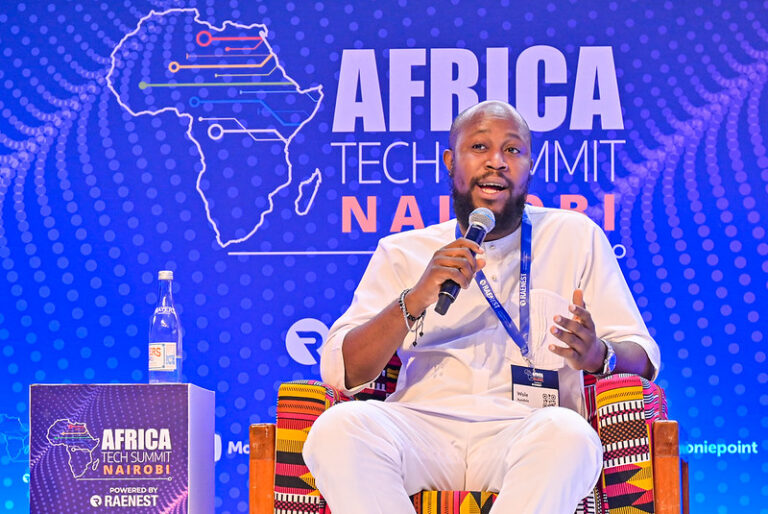
Fincra, a global payments solutions provider, has been announced as the Headline Supporter for the eighth edition Africa Tech Summit Nairobi , taking place on February 11-12, 2026, at the Sarit Expo Centre.

Fincra’s partnership highlights its commitment to building the payment rails for an integrated Africa, enabling seamless, secure, and interoperable cross-border transactions across the continent and beyond.

The Summit will convene over 2,000 delegates and 1,000+ companies across four tracks: Africa Money and DeFi Summit, Africa AI & Digital Summit, Africa Climate Tech & Investment Summit, and Africa Startup Summit.

Over two days, delegates will explore opportunities, trends, and policies shaping Africa’s tech ecosystem, connecting leaders, investors, startups, and regulators to drive real partnerships and investment.

The Fincra X ATS partnership comes at a pivotal time when building interoperable payment rails is critical to unlocking Africa’s full trade potential.

Wole Ayodele, CEO, Fincra, said: “At Fincra, we’re excited to see conversations shaping cross-border payments and fintech on the continent. Africa Tech Summit Nairobi 2026 will mark a milestone in building infrastructure for an integrated Africa, connecting people, businesses, and countries via seamless financial connectivity.”

Africa’s cross-border payments market is projected to grow from $329 billion in 2025 to $1 trillion by 2035, fuelled by increased intra-African trade, rapid migration, mobile money penetration, and fintech innovation, according to Oui Capital. However, challenges remain, including high transaction costs, currency volatility, fragmented regulations, repeated compliance processes, inefficient banking infrastructure, and limited interoperability. Africa also has the highest global remittance cost, averaging 7.4 – 8.3%, with only 55% of countries permitting electronic KYC.

“Fincra is building the systems that will power the African Continental Free Trade Area (AfCTA), digital commerce and seamless cross-border payments – driven by a vision to make Africa a borderless economy where businesses and individuals can transact freely across borders and with the world. By simplifying global payments via APIs, closing interoperability gaps, and strengthening regulatory alignment, Fincra is playing a vital role in unlocking Africa’s $3.4 trillion market opportunity.” added Ayodele

“Payments infrastructures are key to this, and Fincra’s work in enabling seamless, interoperable rails is helping raise the tide for the whole ecosystem,” said Andrew Fassnidge, Founder, Africa Tech Summit.

The eighth Africa Tech Summit Nairobi is also supported by other leading companies, including Cardano, Wada, Moniepoint, London Stock Exchange, Bitnob, ODOO, International Trade Centre, UK International Development, Tola Mobile, WeWire, Hizo Africa, Norrsken22, Platinum & Taylor Hill, Fonbnk, ZuniQ, Spendin, Choice Bank, Dojah, Kagoo, Loobv among others.

Register for Early Bird Tickets here

Huawei to Offer Digital Skills Training to Youth in Dagoretti North

0

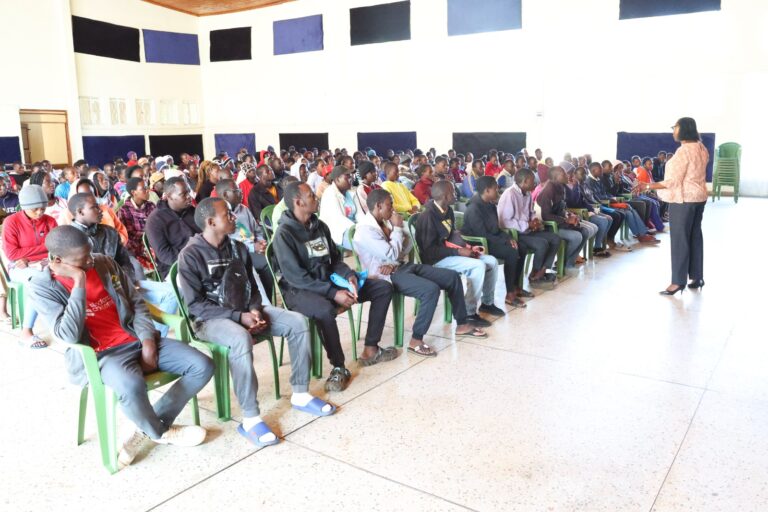
Huawei has launched the Huawei DigiTruck Digital Literacy Programme at Lavington Girls Secondary School, to empower youth with digital skills.

The programme has attracted 250 registered youth, now undergoing hands-on digital training at Lavington Primary School until December 22nd 2025. Graduates will earn certificates and participate in an exciting innovation challenge, with prizes including laptops, tablets, and smartwatches.

“Digital skills are no longer a luxury; they are the new foundation of opportunity for our young people,” said Hon. Beatrice Elachi, Member of Parliament for Dagoretti North, during the official launch. “For our form four leavers, this opportunity means access to jobs, online businesses, global networks, and the confidence to compete in today’s fast-changing world.”

The Huawei DigiTruck programme is expected to empower the youth and transform the entire community by growing adoption of digital and green technologies and bring a shift from electric bikes and electric cooking solutions to mobile-based services.

The Huawei DigiTruck initiative is a solar-powered mobile classroom designed to deliver free digital skills training to underserved communities across Kenya. Equipped with laptops, high-speed internet, and modern learning tools, the DigiTruck brings digital literacy directly to youth, women, jobseekers, and entrepreneurs who may not have access to technology.

Since its launch, the DigiTruck has trained thousands of Kenyans, empowering participants with practical ICT skills that enhance employability, support innovation, and open new pathways in the digital economy. The initiative is part of Huawei’s long-term commitment to bridge the digital divide and promote inclusive, sustainable digital development in Kenyan.

Community Wolf Acquires Namola to Build Integrated Safety Network in South Africa

0

South African safety technology startup Community Wolf has acquired Namola, one of the country’s most widely used emergency-response apps, as it seeks to create an integrated national platform combining community crime reporting with professional emergency services.

The deal brings together two well-known safety platforms in a country where crime reporting, emergency response and public-private coordination remain highly fragmented. Financial terms of the acquisition were not disclosed.

Community Wolf operates an AI-driven system that allows users to report crime or suspicious activity via WhatsApp, without downloading an app. The platform processes reports using artificial intelligence to generate real-time incident data and location-based insights that can be shared with police, private security companies and community safety groups.

Namola, which will continue operating as a standalone product within the Community Wolf ecosystem, provides emergency assistance through a mobile app that connects users to police, medical, fire and private security responders across South Africa.

Emergency response on the Namola platform is powered by AURA, a technology company that operates a nationwide network of more than 3,000 private security and medical responders.

“With the rise of AI, we are entering a world where crime can be detected and responded to faster than ever before,” said Warren Myers, AURA’s chief executive and co-founder. “This acquisition strengthens our partnership with Community Wolf and improves safety outcomes for Namola users.”

Community Wolf co-founder Nick Mills said the company planned to invest in growing the Namola platform and expanding its reach.

“We believe Namola can once again become a household name in private emergency services in South Africa,” Mills said.

Co-founder Michael Houghton said the acquisition would accelerate Community Wolf’s goal of providing faster and more coordinated safety services by combining real-time community intelligence with professional emergency response.

South Africa continues to face high levels of violent crime, while emergency response services are split between public authorities, private security firms and community-based initiatives. The companies said the combined platform would help close gaps in reporting, response times and access to assistance.

KCB Bank, Visa Launch Tap-to-Pay Service for SMEs in Kenya

0

KCB Bank Kenya and Visa on Thursday announced a partnership to introduce a Tap-to-Phone contactless payment service that will allow merchants to accept card payments on NFC-enabled Android smartphones, eliminating the need for traditional point-of-sale terminals.

KCB said the technology is expected to cut the cost of digital payment acceptance for small and medium-sized enterprises that often face high upfront expenses to acquire POS hardware.

“This collaboration with Visa brings to life a powerful solution that gives every merchant the ability to accept digital payments using just a smartphone,” said Jane Isiaho, KCB Bank Kenya’s director of retail banking.

The service runs on the Visa Acceptance Platform and uses tokenization to secure transactions, the bank said.

John Njoroge, Visa’s country manager for Kenya, South Sudan and Somalia, said the rollout would help expand access to “safe, fast and affordable” payment acceptance tools for businesses.

The initiative forms part of KCB’s broader strategy to grow digital channels as Kenya deepens its transition toward a cash-lite economy.


LOOP Unveils Device Financing Product With bolttech

0

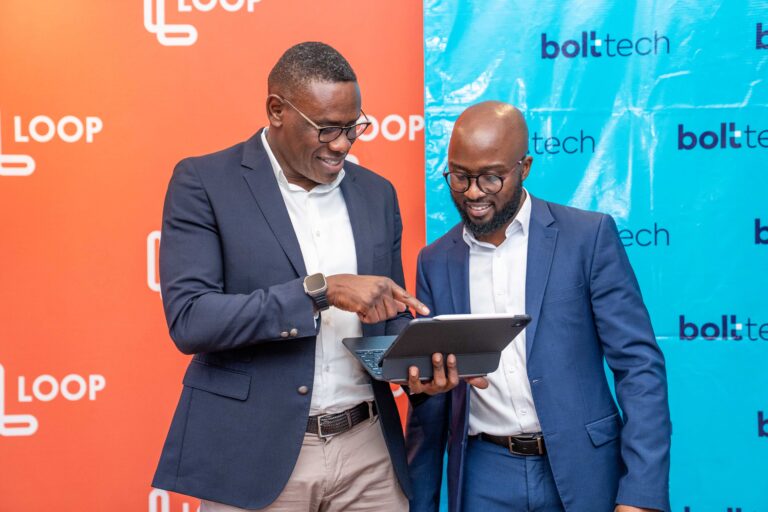
LOOP, the fintech arm of NCBA Group, on Friday launched a device financing product built with insurtech firm bolttech, aiming to boost access to premium smartphones and electronics.

The service pairs LOOP FLEX, LOOP’s buy-now-pay-later facility offering instalments of up to 12 months with bolttech’s device protection, covering theft, accidental damage and mechanical breakdowns through authorised service centres.

The rollout coincides with LOOP’s Shopping Festival, a holiday campaign offering cashbacks of up to 20% across mobile devices and more than 30 partner merchants including Shell, Hotpoint, Quickmart, OPPO, ArtCaffé, Samsung and AutoExpress.

LOOP DFS CEO Eric Muriuki said the initiative strengthens the firm’s digital credit and lifestyle offerings. The company will also run mall activations at The Nord Mall, TRM and Sarit Centre.

Safaricom’s Shangwe @25 Promotion Crowns Five New Millionaires

0

Safaricom’s Shangwe @25 nationwide consumer promotion continues to reward customers across the country, with five more Kenyans becoming the latest millionaires.

Hannah Ngige from Komarock in Nairobi, Wellington Juma from Kisumu, Taala Chelanga from Elgeyo Marakwet, Elizabeth Wairimu from Thika, and Sheila Cheptoo from Bomet, each received Kes 1 million, bringing the total number of millionaires in the campaign to ten (10) since its launch last month.

In addition to the cash prize money, each winner also received an extra Kes 250,000 to support a community initiative of their choice.

Speaking during the award ceremony at Jacaranda Grounds in Nairobi, where Safaricom also gifted customers through the Green Box mechanic, 56-year-old Hannah Ngige, a mother of two and a resident of Komarock, expressed her gratitude to Safaricom, noting that the win came as a complete surprise, especially during these tough economic times.

“I sell second-hand items, so I make many transactions on M-PESA and Pochi, and I believe that really boosted my entries. I am extremely happy and grateful. I plan to invest part of this money back into my business, and I also want to start tomato farming in Kimana, Loitoktok, something I’ve always dreamed of but could never afford. For my community project, I would like to support Mama Lucy Kibaki Hospital, which is near where I live, by providing beddings for the maternity wing,” she said.

Another winner, 39-year-old Wellington Juma, a Clinical Officer at Chulaimbo Health Centre in Kisumu, said he was overwhelmed after receiving the congratulatory call and later confirming the win at the Safaricom Kisumu Shop.

“I had just returned from night shift when I received the call. At first, I thought it was fraud, but after confirmation text, I believed it. I plan to complete my house under construction and equip my small clinic. For the community project, I want to support a widows’ group in Ahero that hires tents and chairs to earn a living,” he said.

For 25-year-old poultry farmer and mother of one, Sheila Cheptoo from Bomet, the news came when she was unwell and resting.

“I had just finished feeding my chicken and gone back to bed when the call came. I didn’t believe it until the confirmation message arrived, my sickness even disappeared. I normally buy bundles and minutes through M-PESA, and I had accumulated some entries. I plan to expand my poultry business to large scale and also support my siblings’ school fees. For the community project, I will support Kitoben Primary Children’s Home with beddings and food,” she said.

Taala Chelanga, also 25 and a mother of two from Elgeyo Marakwet, was still in disbelief even when we spoke. “I don’t know how a million looks like, I have never held such an amount in my life. This is a miracle from Safaricom. I plan to buy land and build a home for my family,” she said.

Similarly, shopkeeper and mother of four, Elizabeth Wairimu from Thika, said the win was a miracle during a difficult season for her family.

“My four children rely on my small kiosk, and sometimes I wash clothes for people to earn extra income. I mainly use M-PESA to buy airtime and data bundles. I plan to buy a plot, build rental units to boost my income, and expand my kiosk. For my community project, I will support Twiga Primary School in Juja with textbooks because many children from humble backgrounds are often sent home for lacking them,” she said.

Beyond the individual winners, 10 micro and small businesses also won big. Five won Bajaj tricycles to aid in business logistics such as transportation of stock and deliveries. They include Sakifarm Limited- Nairobi, a grower and exporter of avocado, Millys The Redbeet Fresh Mart- Voi, a grocery store, Tito Busienei Koiyet- Eldoret, a farmer of Avocado, Macadamia and Livestock, Leonard Oongo- Kisumu, a retailer and Carrix Media Group Limited- Kiambu, an ICT company.

The other five won business stocks worth Kes 250,000 each to boost the growth of their businesses. They include EBEE Mobility Kenya Limited- Homabay, an auto repair, Justus Kiprono Koros in Kericho Town, selling construction material, Robert Nyakundi Ayuka, an Insurance Broker in Kisii town, Taifa Sacco Limited- Nyeri and Federico Investments, an investment agency.

Moringa School limited, the European Union, and the United Nations Federal Credit were the winners under the large and medium enterprises receiving Kes 500,000 each to support a CSR project of their choice as part of spreading cheer during the festive season.

Since its launch, Shangwe @25 has rewarded thousands of customers daily and weekly with cash prizes, data bundles, devices, and business support tools. Every week, customers win Kes 10,000, Kes 50,000, or Kes 100,000, contributing to more than 50,000 winners weekly. Over the promotion period, more than 5 million customers are expected to win prizes worth Kes 250 million.

Customers can participate by transacting on M-PESA, sending money, paying with M-PESA, redeeming Bonga Points, or purchasing Safaricom products such as data bundles, voice bundles, digital services, or Home Fibre. Merchants and M-PESA agents also qualify through Buy Goods, Pochi la Biashara, and transactions from Kes 1,000 and above.

Dial *334# to access all M-PESA services.


Choosing the Right SEO Agency in Abu Dhabi, UAE for Lasting Online Growth

0

Building a strong online presence has become essential for every business in Abu Dhabi. Due to the increasing competition within industries, there is an increase in the necessity of visible, trusted, and optimized digital spaces. The right SEO agency in Abu Dhabi will help you get up and running in no time. A team of experienced members can assist companies to not only have the first page in the search results, but also to attract the right audience that will eventually become loyal customers.

Knowing the Role of an SEO Agency

Why SEO Matters for Businesses in Abu Dhabi

Abu Dhabi’s economy is growing rapidly, with businesses in real estate, tourism, healthcare, and e-commerce competing for online visibility. To most people, being listed in the first page of Google translates to increased brand loyalty and increased business referrals. Only a local and an expert SEO company in Abu Dhabi will be able to provide customized strategies based on local competition for visible branding.

SEO goes beyond keywords. It is about site design, quickness, user experience and quality of content. When all these things are in place, the search engines will identify your site as a valuable and credible site. The outcome is sustainable increases in organic traffic and rankings that are long term.

Local Market Knowledge and Data-driven Strategy.

Unlike generic marketing firms, a local SEO agency in Abu Dhabi knows how people in the region search, what terms they use, and what kind of content connects with them. This local knowledge is used to ensure that businesses get specific traffic rather than random clicks. With data analytics, agencies are able to track results and optimize campaigns to keep on improving.

What Makes an SEO Company in Abu Dhabi Effective

Focus on White-Hat Practices

One of the key traits of a reliable SEO company in Abu Dhabi is its use of ethical and transparent practices. White-hat SEO is safe as it adheres to the search engine rules in order to achieve long-term success. These approaches create authority organically without the threat of punishment and drop in ranks.

Multiple Integration Strategies

The best results come when SEO works hand in hand with other marketing efforts. An expert SEO agency in UAE uses social media marketing, paid advertisements along with search engine optimization. This combination strategy will guarantee that all areas of your online branding are helping in your business objectives.

Common SEO Challenges for Businesses in Abu Dhabi

Many businesses in Abu Dhabi face similar challenges when it comes to digital visibility. There are those who have difficulties with old websites that are not mobile or local search friendly. Others are overly dependent on paid advertisements, but do not bother with organic development. SEO addresses these issues through long-term stability of the ranking and affordable generation of traffic.

Language and localization is another typical problem. The variety of the audience in Abu Dhabi involves both Arabic and English speakers, complicating the process of key word targeting and content optimization. Employing language insights for content optimization is what sets apart a top SEO company in Abu Dhabi from others.

BrandCare Digital – A Trusted SEO Partner in the UAE

BrandCare Digital is one of the most trusted names in the UAE’s digital marketing industry. With more than 10 years of experience, the company has its base in Dubai, where it assists the brands in achieving long-term online presence. Having a reputation of guaranteed Page 1 and data-driven performance, BrandCare Digital has already managed to launch more than 320 digital campaigns and serve over 185 clients.

They have SEO strategists, writers and developers who collaborate with clients in developing growth oriented strategies. As a startup or an established business, their adaptable packages and open communication make things clear and results measurable.

Conclusion

Visibility is the key in a competitive online environment such as Abu Dhabi. The right SEO company in UAE, does not only improve rankings but also builds credibility for search engines. With the selection of an established agency that knows your market and utilizes established and tested processes, your business can attain a measurable and sustainable success.

Become more visible online with professionals who know the UAE market. Collaborate with BrandCare Digital and allow your brand to develop organically and safely online.

Vodafone Acquires 15% Government Stake in Safaricom for $1.63 Billion

0

Vodafone Group has acquired the Kenyan government’s 15% stake in Safaricom for approximately $1.63 billion, raising its total ownership to 55%, while the Government of Kenya (GoK) retains 20% and public investors hold 25%.

The deal is one of Kenya’s largest privatisation transactions and was concluded at a premium price of $0.23 per share, representing a 23.6% premium on the six-month volume-weighted average price.

The deal injects substantial funds into Kenya’s treasury while Vodafone brings global telecom experience, technological expertise, and capital for Safaricom’s next hase of growth.

The Kenyan government has already earned over $3.6 billion in dividends from Safaricom since its inception and the selling 15% of its stake will help it fund development projects without raising taxes or taking on new debt. The government also retains a 20% strategic stake, ensuring ongoing dividend income, and will receive an upfront dividend compensation from Vodafone in lieu of future dividends on the remaining stake, providing short-term fiscal stability.

The proceeds will not be absorbed into recurrent budgets but will instead serve as seed capital for the National Infrastructure Fund and the Sovereign Wealth Fund, ensuring that the funds are invested in long-term wealth-creating national assets.

Government and public ownership together account for 45% of the company and the transaction won’t compromise national security or operational control. Safaricom’s management and board will continue to run day-to-day operations, while the GoK retains influence as a strategic shareholder.


Vivo Energy Kenya, Safaricom to Offer Data & Discounts to Cab Drivers

Vivo Energy Kenya, the local Shell fuel stations operator, and Safaricom have launched Bundle Ya Deree, to offer fuel discounts every Saturday, across all Shell outlets countrywide.

Shell’s consumer offer brings taxi drivers a blend of premium fuel, convenience and cashback rewards each time they fuel at Shell, an add on to drivers obtaining free access to driver apps (Uber, Bolt, Little, Faras & Yego), Google Maps and insurance with generous data and minutes.

“In a mobile and on demand world, this milestone puts together connectivity, convenience and savings, enabling drivers to focus on what they do best. We encourage drivers to fill up their tanks at Shell every Saturday to get the best value from this deal.” said Fawzia Ali Kimathi, Chief Consumer Business Officer at Safaricom.

The proposition also offers subsidized insurance covers for drivers and riders from accidents, illness, or loss of income, as well as training on financial literacy and road safety.

Safaricom has also rolled out Safire Connect empowerment forums that seek to advance knowledge on entrepreneurship, financial wellness and digital & AI fluency, for communities including riders and drivers.

With Vivo Energy Kenya on board, drivers on the Bundle Ya Dere will now enjoy fuel discounts of KES 2 per litre on Shell fuels at all Shell service stations across Kenya.

Boda boda riders can enjoy Ofa Ya Boda by dialling *544*8#, while Bundle Ya Dere is available to online cab drivers on *544*6#.

“Every day we serve millions of Kenyans across our retail network and today we are excited to join an initiative that offers real, everyday value to taxi drivers across the country. This collaboration further enhances our customer experience, making every stop at Shell more rewarding than ever.” said Mr. Peter Murungi, Managing Director, Vivo Energy Kenya.

Uber Launches Electric Vehicles in South Africa as Part of Global Green Drive

0

Uber South Africa has officially rolled out its first fleet of electric vehicles (EVs), marking a major step towards the company’s goal of fully electric rides and deliveries globally by 2040.

The initiative began in Johannesburg, where 70 electric cars are now on the road. Uber plans to expand the fleet to 350 vehicles by the end of January. The Henrey Minicar 4-seater, imported from China, is being supplied by Valternative Energy in partnership with Uber Electric. Valternative also collaborates with Uber for electric motorbikes.

Valternative has developed South Africa’s first “swap-and-go” EV system, combining electric bikes, battery-swap stations, and battery subscription services. The system provides drivers with access to charging infrastructure while removing uncertainties related to fuel prices, providing stable earnings for drivers.

Deepesh Thomas, General Manager for Uber Sub-Saharan Africa, said the initiative is expected to be hugely beneficial for drivers. “The drivers don’t have to buy a vehicle. They can rent the vehicle, have access to charging infrastructure, and focus on completing trips. Once scaled, the economics make a lot more sense than a typical internal combustion engine vehicle,” Thomas said.

He added that Uber Electric and Uber Moto will help address what he describes as South Africa’s “transport poverty,” giving drivers reliable access to vehicles and earnings without upfront costs.

Mohamed Jeewa, CEO of Valternative, explained that recruiting drivers posed challenges, particularly convincing them of the benefits of zero-cost EV operation. “Last-mile drivers live on tight budgets. Once we remove fuel costs and provide weekly payouts, drivers have financial stability and zero cash interference,” Jeewa said.

Globally, Uber now has over 200,000 EV drivers on its platform, reinforcing its commitment to a greener, fully electric future for ridesharing.


Vodacom to Lift Safaricom Stake in €1.8 Billion Deal as Vodafone Tightens Grip on Africa

0

Vodafone Group Plc is tightening its hold on East Africa’s biggest telecommunications market after its South African unit, Vodacom Group Ltd., agreed to buy an additional 20% stake in Safaricom Plc in a transaction worth about €1.81 billion ($1.98 billion).

The deal will raise Vodacom’s ownership in Safaricom to 55%, giving Vodafone and its Johannesburg-listed subsidiary effective control over Safaricom, Kenya’s most valuable company and its fast-growing mobile money platform, M-Pesa.

Vodacom will purchase 15% from the Kenyan government for €1.36 billion and another 5% from Vodafone for €450 million, according to a statement on Monday. Kenya will retain a 20% stake, while public investors will hold 25% through the Nairobi Securities Exchange.

Safaricom, with a market capitalization of €7.7 billion, is the anchor asset in East Africa’s digital economy. Its M-Pesa platform handles more than 100 million transactions daily and serves 38 million customers in Kenya, giving Vodafone deep exposure to one of the world’s most mature mobile money markets. Safaricom also owns a majority stake in Safaricom Ethiopia, one of the continent’s most promising new telecom operations.

“This is an opportunity to gain a controlling shareholding in a highly successful African business in an attractive market,” Vodafone Chief Executive Officer Margherita Della Valle said. She highlighted Safaricom’s role in expanding financial inclusion across the region through M-Pesa.

Safaricom reported 9.3% service-revenue growth in Kenya during the six months to Sept. 30, powered by a 14% jump in M-Pesa revenue, underscoring the platform’s importance as Africa’s mobile payments race intensifies.

The transaction still requires regulatory clearance in Kenya, South Africa and Ethiopia, and is expected to close in the first quarter of 2026.


UK Fintech Wise Gets Approval to Launch in South Africa

0

Wise, UK remittance firm, is launching in South Africa after receiving conditional approval from the South African Reserve Bank (SARB) to launch in the market.

South Africa is Wise’s first-ever regulatory approval in Africa and paves the way for its entry into South Africa, enabling it to offer transfers for personal customers in the country.

In a statement, UK Prime Minister Keir Starmer said: “Wise’s expansion into South Africa not only strengthens ties with one of Africa’s most dynamic economies but also showcases British excellence in building solutions that make life better for people and business worldwide, both at home and abroad.”

Launched in 2011, Wise handles over 40 currencies, allowing users to move money between countries and spend money abroad. In fiscal year 2025, Wise supported around 15.6 million people and businesses, processing over $185 billion in cross-border transactions and saving customers around $2.6 billion.

South Africa is Africa’s most advanced financial services hub and the second largest economy after Nigeria. It has significant cross-border payment flows fueled by increasing digital adoption and a large diaspora population.

Wise’s entry into the market directly supports these goals, solving the growing demand for transparent, cost-effective international payment solutions.

“Our first regulatory approval in Africa marks a significant step forward in our mission to give South Africans access to a faster, cheaper, and more transparent way to send money abroad,” said Nadia Costanzo, Director of Banking and Expansion LatAm & MEA at Wise.

Last month, Wise announced it had secured regulatory approvals by the Central Bank of the United Arab Emirates (CBUAE) to bring its suite of products to the country.

UAE is a lucrative market for Wise as it’s home to over 200 nationalities, where approximately $40 billion is moved annually across borders by individuals and businesses. In the UAE, Wise licence approvals allows users to send, spend and get paid via its platform.

Through these new approvals, Wise further expands its global licensing footprint, with over 70 regulatory licences worldwide including approval from the Reserve Bank of India (RBI) to operate as a payment aggregator and a licence for investment services in Australia.

Ex-Sendy CEO Launches TABB to Reinvent Trade Credit for SMEs

0

Meshack Alloys, the former CEO of Sendy and co-founder of African fintech Boya, has launched TABB, a Silicon Valley–based credit-infrastructure startup aiming to modernize how banks deliver trade credit to small and mid-sized businesses.

TABB is building what it calls an “instant-acceptance trade credit network”, allowing banks to issue revolving credit lines to SMEs that can be used immediately across a wide supplier ecosystem. Businesses get up to 90-day terms for everyday purchases, while suppliers are paid instantly.

The platform is designed to be embedded directly into supplier checkout flows—bridging the gap between businesses needing working capital and banks seeking better visibility into real commercial activity.

“Trade credit has always powered the backbone of commerce, but it’s historically slow, manual, and opaque,” said a person familiar with the company’s pitch. “TABB is creating a real-time credit layer that banks can plug into and scale.”

A new infrastructure play for SME finance

The fintech acts as a programmable switchboard for trade credit to allow banks issue the credit line and get rich transaction data for underwriting while businesses unlock purchasing power with predictable repayment terms and suppliers eliminate in-house credit risk and receive automated settlement.

By ensuring funds flow directly to suppliers, TABB also reduces misuse and introduces new non-interest income opportunities through supplier-funded discount rates.

From logistics tech to financial infrastructure

Alloys, known for scaling Sendy into one of East Africa’s most prominent logistics-tech companies before its shut down, is now positioning TABB as an infrastructure-first fintech—building the pipes beneath the SME economy rather than another front-end app.

Silicon Valley’s appetite for B2B fintech rails has grown amid tightening credit markets and renewed focus on SME liquidity. TABB is entering the space as banks look for alternative underwriting models and as suppliers seek faster, more reliable settlement.

Early pilots suggest the firm is targeting construction and pharmaceuticals to retail, agribusiness, and logistics.

Betting on the future of supply-chain finance

TABB’s model digitizes a system long held together by paper invoices, supplier trust, and uneven credit terms. If successful, it could formalize millions of informal credit relationships across emerging markets while offering banks a scalable, data-rich path to SME growth.

The company aims to make trade credit instant, predictable, and universal—and supply chains become faster, healthier, and far more bankable.


NCBA Invests in SME Growth as Entrepreneurs Graduate from Strathmore Programme

0

NCBA has reaffirmed its commitment to Kenya’s small and medium-sized enterprises (SMEs) as it celebrated a new cohort of 24 SME customers who successfully completed the Strathmore Business School Enterprise Development Programme.

The 2025 cohort brings together business owners from key sectors, including manufacturing, retail, agribusiness, construction, logistics, and professional services. The programme continues to attract ambitious entrepreneurs eager to strengthen leadership skills and scale their businesses sustainably.

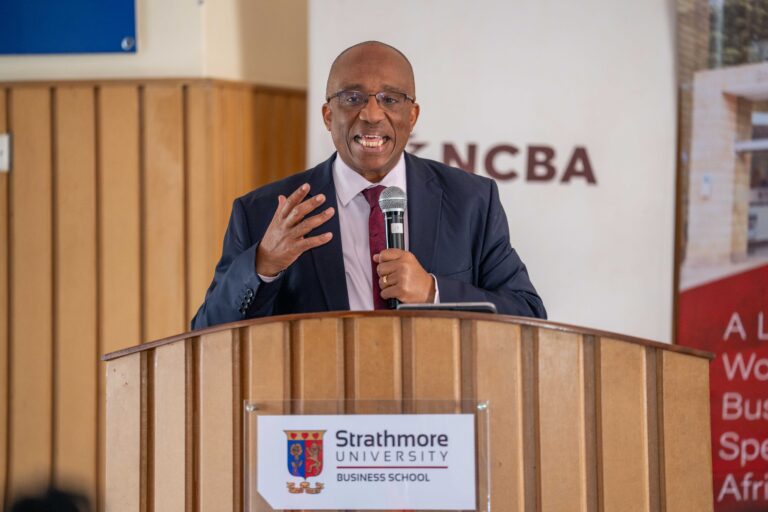
Speaking at the graduation ceremony, NCBA Group Director of Retail Banking, Dennis Njau, congratulated the graduands and emphasized the bank’s ongoing support for SMEs. “We believe that when entrepreneurs grow, the country grows. This programme gives our customers the practical knowledge, confidence, and partnerships they need to take bold steps in their businesses. NCBA remains committed to walking this journey with them through capacity building and strong financial solutions,” he said.

The 16-week Enterprise Development Programme is a core part of NCBA’s SME banking strategy, equipping business owners with leadership skills and practical tools for growth. The programme strengthens resilience, sharpens strategy, and builds confidence to navigate Kenya’s dynamic business environment.

Njau highlighted NCBA’s growing ecosystem of SME support, including strategic partnerships with the Africa Guarantee Fund, AFAWA, Water.Org, and Proparco. These collaborations help reduce lending risks, expand access to credit, and support entrepreneurs in areas such as women-led business growth, climate resilience, and water and sanitation financing. They also enhance NCBA’s ability to lend effectively to SMEs ready to scale.

The programme combines academic learning with practical coaching, covering financial management, operations, marketing, innovation, leadership, and digital transformation. Participants also benefit from networking, peer learning, and exposure to real market insights. Over the years, more than 300 NCBA customers have completed the programme, demonstrating measurable business impact.

Strathmore Business School praised its strong collaboration with NCBA, noting the shared commitment to fostering a vibrant SME sector. The institution reiterated its mission to deliver practical learning experiences that address the real challenges entrepreneurs face today.

NCBA continues to invite customers to enrol in upcoming cohorts. Eligible applicants must be NCBA customers, operate a business account active for at least six months, have a business running for at least two years, employ at least three people, and achieve an annual turnover of at least KSh 3 million. Applicants must also be primary decision-makers in their businesses.

Through the Entrepreneurship Development and Innovation Centre, NCBA and Strathmore Business School also deliver the Owner Manager Programme, business boot camps, networking forums, trade expos, and industry conferences—all designed to empower SMEs and MSMEs to grow sustainably and confidently.


Ringier Sells BuyRentKenya to Rushbox

0

Ringier consolidates its digital marketplaces portfolio across Sub-Saharan Africa and has sold its Kenyan real estate portal, BuyRentKenya, to Rushbox Ltd., who is operating leading real estate platforms in Mauritius and Zimbabwe.

The deal gives Ringier time to strengthen its leading digital marketplaces in jobs and general classifieds under the umbrella of The African Talent Company (TATC).

Rushbox operates PropertyCloud in Mauritius and Property.co.zw in Zimbabwe and will help Rushbox expand into Kenya’s real estate market with relatively smaller players and will help it expand across the region and across Africa.

“Rushbox, led by African tech entrepreneur Garth Drummond, brings significant experience in operating real estate marketplaces in Zimbabwe and Mauritius, offering synergies from which BuyRentKenya will greatly benefit. This step will allow BuyRentKenya to further grow under Rushbox’s leadership while we continue to focus on our strategic priorities around jobs and talents across the Sub-Saharan African Continent,” says Axel Konjack, Head of Marketplaces at Ringier. “We’re convinced Garth and his team are the right partners to further develop BuyRentKenya.”

In 2017, Ringier acquired BuyRentKenya from the founders Jamie Pujara and Nicolas Adamjee who went on to focus on their new ventures.

“Nico and I are extremely pleased that BuyRentKenya will be fully integrated into ROAM. We believe with their leadership, expertise and experience we will take a giant stride forward in realizing our vision of making property search and listing easier and more transparent in Kenya,” Jamie Pujara, Co-founder and CEO BuyRentKenya told TechMoran.

BuyRentKenya, which has operated as a standalone real estate platform within Ringier’s African portfolio, is a strategic step to consolidate resources and focus on scaling its Sub-Saharan African portfolio of jobs and general classifieds platforms. Rushbox will leverage its industry knowledge to further innovate and expand BuyRentKenya’s market position.

“By combining our cross-market expertise and technological strengths with BuyRentKenya’s established brand and local insights, we see a great opportunity to bring new value to the Kenyan real estate market,” Garth Drummond, CEO of Rushbox Ltd.

Safaricom KSh 40B Domestic Medium-Term Note to Deepen Kenya’s Corporate Debt Market

0

Safaricom PLC recently floated its KSh 40 billion Domestic Medium-Term Note (DMTN) programme to finance or refinance environmentally eligible projects under Safaricom’s Sustainable Finance Framework.

Aimed at strengthening the domestic corporate debt market, the programme enables Safaricom to issue multiple types of bonds, including green, social, and sustainability-linked instruments, in several tranches over time.

The first tranche, a KSh 15 billion “Green Bond” with a KSh 5 billion greenshoe option, offers a fixed, tax-exempt interest rate of 10.4% over five years. The bonds are accessible to retail and institutional investors, with a minimum subscription of KSh 50,000 and top-ups in increments of KSh 10,000.

“Through this MTN programme, we aim to diversify funding sources, reduce reliance on short-term or foreign-currency debt, and support long-term growth, including infrastructure expansion and sustainable operations,” Safaricom said in a statement.

Strengthening Kenya’s Debt Market
The DMTN programme is among the largest corporate bond initiatives in Kenya, signaling the country’s growing fixed-income market. The combination of retail-friendly entry points, tax-free returns, and ESG-focused projects is expected to attract a broad base of investors, providing an alternative to bank financing and foreign debt.

Locally, Safaricom’s move follows similar corporate bond initiatives by firms such as East African Breweries PLC, highlighting an ongoing trend of domestic companies tapping the capital markets to fund growth and infrastructure.

In the global context, Safaricom’s bonds align with emerging-market corporate and green bonds, which generally offer higher yields than developed-market counterparts to offset currency and macroeconomic risks. While developed-market green bonds typically carry lower single-digit yields, they benefit from lower risk and deeper liquidity. The Safaricom MTN, therefore, presents an attractive option for investors seeking competitive returns in an ESG-linked framework.

The launch reflects a maturing Kenyan corporate bond market and increasing investor appetite for sustainable finance. For Safaricom, the MTN programme provides long-term funding for growth while supporting environmentally sustainable initiatives. For investors, it offers an opportunity to earn tax-free returns while participating in projects that align with environmental and social goals.

Zoho Expands Young Creators Program Across East Africa

0

Zoho has expanded its Young Creators Program (YCP) across East Africa, empowering students and professionals with hands-on digital skills in low-code application development.

Through workshops conducted across Kenya, Uganda, Tanzania, and Madagascar, Zoho trained more than 150 participants to design and deploy business-ready applications using Zoho Creator, the company’s low-code development platform.

“Through the Young Creators Program, we are helping students and professionals across East Africa gain the tools and confidence to turn their ideas into impactful digital solutions,” said Veerakumar Natarajan, Regional Manager, Zoho East Africa. “Our goal is to make technology education accessible and practical, empowering young innovators to solve local challenges and shape Africa’s digital future.”

Driving Hands-On Innovation Through AI and Low-Code Technology

Each YCP workshop introduced participants to the power of AI-assisted app development using CoCreator, Zoho Creator’s built-in AI assistant powered by Zia. Attendees learned to build fully functional applications simply by describing their ideas in natural language.

The sessions explored Zoho Creator’s core capabilities—forms, reports, workflows, pages, and analytics—before progressing to advanced topics such as integrations, UI customisation, mobile deployment, and solution management. The initiative encouraged participants to discover how low-code tools can drive entrepreneurship, accelerate digital transformation, and inspire innovation within their communities.

Empowering Entrepreneurship and Innovation in Kenya

In Kenya, Zoho hosted a workshop at EldoHub, which attracted 42 attendees, including developers, entrepreneurs, and professionals eager to explore low-code development. Among the participants was Leonard Bett, one of Kenya’s top steeplechase athletes, who attended to build a digital platform to help manage and analyse athletic performance.

“Zoho’s low-code platform opens opportunities for anyone to innovate, regardless of their background,” said Sarah Towet, Co-Founder & Programs Lead, Eldohub.” Our partnership demonstrates how technology can empower young people and professionals alike to create impactful solutions in their communities.”

Championing Women in Technology in Uganda

In Uganda, Zoho partnered with Analytics Business Centre, a Zoho-authorised partner, to deliver a Women in Software Engineering Uganda edition of YCP. The workshop featured 43 attendees, including students, professionals, and entrepreneurs from diverse sectors.

The session focused on empowering women to leverage low-code development for business innovation, process automation, and digital entrepreneurship—reflecting Zoho’s broader commitment to promoting inclusivity in the technology ecosystem.

“Our collaboration with Zoho aligns perfectly with our mission to upskill and empower women through technology,” said Primera Muthoni, CEO & Founder Women in Software Engineering Uganda. We are proud to see participants leave with confidence and ability to build apps that drive innovation and financial independence.”

Inspiring First-Time Developers in Tanzania and Madagascar

Zoho’s East Africa expansion included its first-ever YCP in Tanzania, held at the Dar es Salaam Institute of Technology (DIT). The workshop trained 24 computer science students in practical low-code app building and digital innovation techniques.

“This program has given our students invaluable exposure to industry-grade tools,” said (Dr. Haji Fimbombaya, Head of Department, Computer Studies – Dar Es Salaam Institute of Technology. “It compliments our curriculum and helps prepare graduates to meet the demands of a rapidly evolving digital economy.”

In Madagascar, Zoho collaborated with its Belgian premium partner, BrainSolutions to conduct a training session in Antananarivo. BrainSolutions has a long-term collaboration with Inclusive Academy from Madagascar, upskilling youth in the region. The event had 27 participants, many of whom were new to programming. The workshop helped them learn how to transform their ideas into functional applications through low-code technology.

“We are proud to witness the impact that initiatives like  YCP can have on young talent in Madagascar,” said Anna Andruamialivelo, Tech Lead at BrainSolutions Madagascar. “Collaborating with Zoho through BrainSolutions has allowed us to introduce accessible, practical, and high-value digital skills to participants who are eager to learn and innovate. Seeing beginners gain the confidence to transform their ideas into real applications using low-code tools has been truly inspiring. This partnership not only strengthens our local ecosystem but also opens new opportunities for the next generation of Malagasy developers.” 

Nurturing Africa’s Next Generation of Creators

The Young Creators Program is part of Zoho’s global initiative to foster digital literacy and innovation among youth. Since its launch in 2022, the program has trained more than 4,000 participants worldwide, equipping them with practical skills to pursue technology-driven careers and entrepreneurial ventures.

Egypt’s Taager Launches in Morocco, Accelerating its MENA Expansion

0

Taager, an Egyptian e-commerce empowerment platform has officially launched in Morocco to democratize access to e-commerce across the MENA region after its Saudi Arabia and the United Arab Emirates expansion.

Founded in 2019 by Mohammed Elhorishy, Ismail Omar, Abdelrahman Sherief and Ahmed Ismail, Taager helps micro-entrepreneurs, digital marketers and content creators with payments, product sourcing, inventory management, logistics and delivery.

Morocco is an attractive market for as one the regions promising digital economies.

Morocco has been actively pursuing the development of its digital economy over the years, implementing multiple strategies such as e-Maroc 2010, Maroc Numeric 2013, and Maroc Numeric 2020 and the Digital Morocco 2030 Strategy launched on September 25, 2024.

“We see Morocco as one of the most dynamic and exciting e-commerce markets in North Africa, with a young, connected population and a rapidly evolving digital ecosystem.
Our goal is to deliver an inclusive e-commerce empowerment platform that enables anyone to start and scale an online business.” says Abdelrahman Sherief, co-founder of Taager.

With its launch in Morocco, Taager is strengthening its regional footprint and driving to become the leading ecommerce empowerment platform for online sellers in the Arab world.

Salma Ammor will serve as Country Manager Morocco of Taager and the firm is now actively hiring for key roles including media buyers, account managers and telesales specialists.

Our mission is straightforward: to give every Moroccan – regardless of their starting point – the opportunity to build and grow an online business. We aim to offer a reliable, inclusive and high-performance launchpad for a new generation of Moroccan e-commerce entrepreneurs. Taager will not have local operations in Morocco for now; our presence will be focused on staying close to our community of Moroccan sellers, while operational activities are managed in countries Taager is currently active in within the MENA region” explains Salma Ammor.

Emerging Markets Mobile Boom: How App-Centric Startups Are Growing in 2025–2026

0

Mobile usage has changed the way people behave online all over the world in the last decade. However, in 2025–2026, emerging markets are going through a shift of their own that is faster, more dynamic, and more impactful than what developed markets experienced before. These regions are moving into a mobile-first economy very quickly and often skip stages that took other countries years to reach.

As a result, app-focused startups in Latin America, Africa, Southeast Asia, Eastern Europe, and the Middle East are scaling at a speed that has rarely been seen before. With mobile payments growing and smartphones becoming more affordable, these markets represent one of the biggest opportunities for app-driven growth globally.

This article explores the factors behind the mobile boom in emerging markets, how local conditions shape product strategy, and why mobile-first startups are scaling so rapidly. It also looks at the challenges founders face and how performance marketing, ASO, and user acquisition support this new wave of digital growth.


The Acceleration of Smartphone Adoption

The foundation of any mobile ecosystem is access, and emerging markets are seeing dramatic increases in smartphone penetration. Several factors contribute to this:

  • more affordable Android devices
  • government projects expanding broadband and 4G/5G
  • cross-border e-commerce making cheaper models available
  • telecom competition reducing data prices
  • strong cultural reliance on mobile devices

In many of these places, smartphones are not just a technology upgrade. They are the main tool for communication, commerce, education, entertainment, transportation, banking, and even identity verification.

For millions of people, their first connection to the internet happens through a phone, not a laptop. This creates an environment where mobile apps are the most natural way to access digital services.


A Mobile-First Population With High App Engagement

Emerging markets are adopting smartphones very quickly, and users in these regions spend significantly more time inside apps than in traditional browser environments. App-centric behavior dominates because:

  • browsing on the mobile web is often slower
  • apps use less data and work better on weak networks
  • many apps offer offline or low-data modes
  • users tend to trust apps more than websites
  • financial apps connect directly to local payment systems
  • most social interactions take place inside apps

For startups, this is a strong advantage. By building mobile-first, teams meet users in the environment where they already spend most of their time, which increases engagement and reduces friction.


Large, Untapped Consumer Segments Enter the Digital Economy

The speed at which new user groups join the digital economy is one of the biggest differences between emerging and mature markets. Entire populations that used to have limited or no digital presence are now using mobile services daily.

These new consumers typically:

  • are young (often under 30)
  • are mobile-native
  • skip desktop entirely
  • rely on apps as their default gateway to services
  • adopt new digital habits quickly
  • respond strongly to mobile ads

App-centric startups gain access to large user segments with relatively low acquisition costs and strong lifetime value potential.


Growth of Digital Payments and Fintech Infrastructure

Digital payments are a precondition for e-commerce to thrive, and emerging markets are making strong progress here. The rise of digital payments makes onboarding and monetization easier for app-driven businesses.

Growth is driven by:

  • mobile wallets and QR-based payments
  • regional fintech regulations that support innovation
  • state-backed digital ID systems
  • bank APIs that simplify integrations
  • payment super-apps enabling instant transfers
  • alternative credit solutions for underbanked populations

When payments become easier, more people feel comfortable using e-commerce, marketplace, gaming, delivery, and subscription apps. This creates new opportunities across sectors and reduces friction around monetization.


Local Problems, Local Solutions: Why Startups Thrive

Startups in emerging markets often succeed by solving highly local problems that global companies tend to overlook. They understand that each region has its own culture, behavior patterns, and pain points.

Examples include:

  • micro-loans tailored to daily wage workers
  • ride-hailing solutions built for cities with limited public transport
  • delivery apps that work in areas without accurate mapping
  • low-data streaming apps for unstable connections
  • local marketplaces with cash-on-delivery options
  • education apps for regions with low school attendance
  • agriculture platforms for rural communities

These problems can’t be solved using Western-designed playbooks alone. They require local insight, and app-centric startups in emerging markets are often best positioned to provide it.


Competitive Advantages That Emerging Market Startups Hold

Despite the mix of challenges and opportunities, mobile-first companies in emerging markets have several strong competitive advantages, such as:

  • less competition in many categories compared to saturated Western markets
  • faster adoption cycles, especially among younger demographics
  • more flexible regulatory environments in early stages
  • lower user acquisition costs, especially for gaming and utility apps
  • rapid word-of-mouth growth in dense urban areas
  • higher willingness to try new apps due to fewer legacy services

All these factors help startups scale quickly if they position themselves well and build around real mobile behavior.


The Role of User Acquisition in Emerging Markets

As millions of new mobile users enter the market every year, user acquisition becomes a critical growth lever. However, emerging markets differ from Western ones in terms of channels, costs, behavior, and creative preferences. UA strategies must adapt.

Effective mobile user acquisition in these regions usually includes:

  • Meta and Google installs as core channels
  • scalable TikTok performance campaigns
  • OEM placements (Xiaomi, Oppo, Huawei, Vivo, Transsion)
  • local ad networks optimized for specific countries
  • influencer-driven installs
  • hyperlocal targeting around cities or regions
  • creatives tailored to local languages and cultural cues

Startups that simply copy the UA strategy they used in Europe or the US often struggle. The most successful companies invest in localization, creative testing, and regional segmentation.

This is where experienced mobile marketing partners become invaluable. Agencies such as Mobihunter help app-centric startups run user acquisition campaigns that reflect the realities of emerging markets. Their work with mobile-first products shows how media buying, ASO, and creative optimization can be combined to scale in fast-moving, competitive environments.

In fast-growing markets, many startups partner with specialized mobile marketing agencies to accelerate user acquisition without overspending. One example is Mobihunter, a performance-driven agency that works with app-first companies to run localized UA campaigns, optimize creatives, and build ASO strategies tailored for emerging regions. Their experience across LATAM, SEA, MENA, and Eastern Europe shows how a smart mix of data, testing, and regional insight can help startups scale efficiently even in highly competitive categories.


The Rise of Super-Apps and Platform Ecosystems

In several emerging economies, super-apps are rapidly becoming the main digital platforms. These apps bundle multiple services  payments, delivery, mobility, banking, entertainment, communication  into a single mobile ecosystem.

Some examples include:

  • Gojek and Grab in Southeast Asia
  • M-Pesa-based platforms in East Africa
  • the Mercado Libre ecosystem in LATAM
  • Careem in MENA

Super-apps succeed because they reflect how users interact with their phones. A single app can become:

  • a wallet
  • a delivery solution
  • a marketplace
  • a transportation hub
  • a social environment

For startups, this is a double-edged sword. Partnering with a super-app can unlock access to huge user bases, but it can also create dependence that limits long-term freedom. Success depends on balancing reach with strategic control.


E-Commerce and Delivery Apps Leading Market Growth

E-commerce, delivery, and logistics apps have become major drivers of app market growth across emerging regions. Their expansion is fueled by:

  • improved last-mile infrastructure
  • demand for instant or same-day delivery
  • the rise of “dark stores” in large cities
  • widespread use of mobile payments
  • cultural habits built around convenience

This growth is especially strong in places with dense populations and limited traditional retail. For many people, delivery apps are their first digital service. Over time, they expand into other verticals such as:

  • groceries
  • pharmacy
  • restaurant delivery
  • parcel shipping
  • quick commerce

Startups that move early and execute well can not only survive, but scale as the market grows.


Education, Health, and Government Services Moving to Apps

Beyond commerce and entertainment, mobile platforms are also reshaping essential services.

EdTech apps.
Online tutoring, exam preparation, micro-learning, and skills development apps are growing fast in markets with young populations and gaps in traditional education systems.

HealthTech apps.
Telemedicine, diagnostics, appointment booking, and insurance management apps help address critical public health issues.

GovTech apps.
Digital ID, tax, and document management apps simplify processes that used to be slow and bureaucratic.

These sectors are gaining traction quickly because mobile apps offer faster, cheaper, and more accessible solutions than offline alternatives.


The Importance of ASO in Emerging Markets

In app-driven economies, discoverability is a key success factor. App Store Optimization is crucial for reaching new audiences, especially in markets where:

  • users rely heavily on app stores to discover products
  • competition is increasing within key categories
  • metadata and visuals strongly influence conversion
  • reviews and ratings are primary trust signals
  • brand awareness is still relatively low

ASO works as both a defensive and offensive growth tool. It helps startups gain visibility in crowded categories and supports paid UA by improving install rates and lowering CPIs.

For many early-stage companies, ASO is one of the most cost-effective ways to compete with larger brands.


Challenges Facing Startups in Emerging Markets

Despite the huge opportunities, founders in emerging markets face real challenges, including:

  • unstable or expensive data plans
  • payment fragmentation
  • device fragmentation (hundreds of Android models)
  • inconsistent network speeds
  • trust issues around digital transactions
  • language diversity
  • limited access to early-stage capital

Scaling in these environments requires adapting to these constraints instead of relying on assumptions shaped by Western markets.


The Future: What to Expect in 2026 and Beyond

As we move further into 2026, several long-term trends will continue shaping mobile growth in emerging markets:

  • deeper penetration of ultra-budget smartphones
  • rapid expansion of 5G networks
  • growing demand for mobile-first financial services
  • more investment from global tech companies in local ecosystems
  • stronger local developer communities
  • more cross-border regional markets (for example, MENA, LATAM, ASEAN)
  • wider adoption of subscription models as disposable income grows

Mobile-first behavior is only going to deepen. Startups that invest early in product quality, performance marketing, ASO, and localization will be best positioned to win in the long term.


Conclusion

Emerging markets offer a major opportunity for mobile-first startups in 2025–2026. With millions of new users coming online each year, rising smartphone penetration, better payment infrastructure, and many unmet local needs, these regions are entering a new phase of digital expansion.

Startups that build app-centric products, understand local behavior, invest in user acquisition, and adapt to cultural and infrastructure realities can grow very quickly. With the right partners  for example, specialists like Mobihunter, who focus on ASO, creative optimization, and mobile marketing  companies can scale faster while keeping acquisition costs under control.

The mobile revolution in emerging markets is still in its early stages. In the coming years, these regions will not only contribute to global app growth  they will set many of the trends that define it.


What Every Construction Company Should Know About Fuel Tracking Systems

0

Fuel is a fundamental economic driver, serving as an energy source for several industries. Construction companies, for one, rely on fuel to power machinery and vehicles that are essential to their operations. As such, fuel is a major expense for these companies, making fuel management critical in maintaining efficiency and reducing costs.

To optimise their resources, construction companies can leverage a fuel tracking system that offers real-time monitoring and detailed reporting, helping manage costs and enhance productivity, while promoting transparency and compliance.

In this article, we’ll explore the role that a dedicated fuel tracking system plays in construction operations and offer practical insight into how companies can benefit from adopting one.

Fuel as an Essential Component of Construction Operations

Fuel is the lifeblood of a construction business, with almost every activity depending on this energy source. Heavy equipment such as excavators, dump trucks, and cranes, as well as site vehicles, all require fuel to function. This constant demand easily makes fuel one of the largest variable operational costs for construction companies.

Without proper fuel management, companies may face project delays due to equipment downtime, unauthorised refuelling, or inefficient supply logistics. Furthermore, a lack of visibility into fuel usage can erode margins quickly. For construction companies, recognising fuel as a critical resource rather than just a consumable is the first step toward more controlled and efficient operations.

The Role of Fuel Management in Construction Companies

In a construction context, fuel management goes beyond simply ordering and tracking deliveries. It also involves monitoring fuel consumption, scheduling refuelling operations, controlling access to fuel tanks and pumps, and integrating fuel data into cost calculations and site logistics. A well-structured fuel management process provides project managers and site supervisors with the right tools to identify issues and maintain operational momentum.

In contrast, poor fuel management may lead to unexpected fuel shortages, delays, and difficulty tracking which machine or operator is responsible for a specific fuel usage. These issues can translate into hidden costs and compromised productivity.

How Fuel Tracking Systems Strengthen Operational Efficiency

A fuel tracking system supports fuel management by providing real-time visibility into fuel usage, inventory levels, dispensing events, and equipment operating hours. For a construction firm, this means quick detection of anomalies such as sudden drops in fuel levels, unauthorised use of equipment, tampering, or extended idling periods.  This level of insight helps site managers optimise refuelling schedules and coordinate fuel availability with equipment usage patterns, reducing downtime and avoiding shortages.

Moreover, tracking systems can integrate with telematics and fleet-management tools, enabling meaningful data to flow into operations planning rather than remaining in static spreadsheets.

Cost Control Through Accurate Fuel Monitoring

Fuel tracking systems help construction companies gain control over one of their most fluctuating cost centres. These systems measure consumption per machine, per job site, per operator, and correlate fuel usage with equipment hours, helping managers identify inefficiencies and take corrective action. These features are useful for identifying high idling hours, fuel theft, or inefficient routing of site vehicles.

Furthermore, tracking systems support more accurate budgeting and forecasting, making fuel consumption a predictable metric rather than an estimate.

Supporting Accountability and Compliance

Construction companies must often operate under various regulatory and contractual requirements that involve environmental emissions, fuel storage safety, and site audit readiness. A fuel tracking system delivers the transparency needed for compliance with minimal manual effort.

In addition, construction firms benefit from maintaining a chain of custody for fuel usage through real-time, accurate data on who accessed the pump, how much fuel was dispensed, and which job it relates to. This level of detail supports internal governance and discourages unauthorised use, helping strengthen external audit positions. With environmental reporting increasing in importance, having fuel-usage data at hand gives companies an operational and reputational advantage.

Choosing a Fuel Tracking System That Meets Construction Needs

Selecting the right fuel tracking system is crucial for construction companies where site conditions, mobile assets, and varied refuelling points create complexity. Among the key features to look for are real-time monitoring, integrations with telematics/fleet-management tools, mobile or site-based refuelling support, secure access controls for pumps and tanks, and the ability to segment data by job site, equipment, and operator.

Additionally, construction companies should evaluate providers with experience in their industry rather than generic fleet-solutions providers.

Fuel is a main driver of operations as well as costs for construction operations. When construction companies adopt a reliable fuel tracking system, they benefit not only from monitoring and control but also from transparency and insight that result in informed business decisions. These choices support compliance, promote accountability, and maintain efficiency, helping construction companies manage costs and remain competitive. Ultimately, a fuel tracking system is not just a fuel management tool but an investment in the stability and sustainability of the construction business.

AERC Launches African Private Sector Platform, a Research Portal for Economists, Scholars & Policymakers

0

The African Economic Research Consortium (AERC), has unveiled its new African Private Sector Platform (APSP) to deepen collaboration between AERC researchers and Africa’s private sector.

The platform will bring together eminent Economists, Policymakers, Scholars, Private Sector leaders and development partners and connect them to real-time data, insights and collaboration tools.

The portal will act as a one-stop hub for research, data, policy papers and cross-border collaboration and act as a central research nerve centre for universities, central banks, ministries and scholars to accelerate data-driven research, digital policy dialogue and economic training, research and policy.

“Today marks a significant milestone for AERC as we convene partners and stakeholders to reflect on our mission and unveil our new 10-year strategy. This strategy reinforces our dedication to nurturing world-class African economists, deepening policy engagement, and ensuring that African perspectives shape regional and global economic discourse. The launch of our new Private Sector Platform further strengthens this commitment by creating a structured avenue for collaboration with industry, enabling evidence-informed advocacy and unlocking new opportunities for innovation and competitiveness across the continent,” said Prof. Arteey.

The AERC Research and Policy Summit will explore pathways to sustainable and inclusive economic growth while mainstreaming AERC’s role as an economic policy think tank. This year’s Research and Policy Summit is also aligned with the new AERC 10-year Strategic Plan (2025-2035).

National Treasury Cabinet Secretary John Mbadi in a speech delivered by the State Department for Economic Planning Principal Secretary Bonface Barasa Makokha, said, “Africa’s Moment is Now: Let us not be defined by our challenges, but by our courage. Let us not inherit development models—we must invent them to deliver Africa’s economic prosperity.”

CS Mbadi decried the African continent’s overreliance on foreign aid and called for a new chapter of self-reliance, innovation, and sustainable growth.

“Kenya, like other African countries, is not poor in resources. We are, for instance, rich in human talent, in fertile land, in digital creativity, and in entrepreneurial spirit.” He added, “What we need is not more aid, but more courage to harness what we already have. This is not just about money—it is about dignity. Generating our own resources means charting our own destiny, setting our own priorities, and building resilience against global shocks.”

The speech was delivered at AERC Research and Policy Summit 2025, a three-day summit that kicked off in Nairobi today, bringing together eminent Economic Policy leaders and stakeholders.

The Summit brought together international and local Economic Policy leaders and stakeholders to explore pathways to sustainable and inclusive economic growth.

Dubbed “A Renewed AERC for Africa’s New Development Priorities”, the summit is touted as a timely platform geared at fostering stakeholder support to address pressing macroeconomic and development challenges in Africa.

Eminent leaders attending the hybrid AERC Research and Policy Summit include AERC Board Chair and Emeritus Professor, Institute of Statistical, Social and Economic Research (ISSER), University of Ghana, Prof. Ernest Aryeetey, Reserve Bank of South Africa, Governor, Dr Lesetja Kganyago, Bank of Uganda Governor, Dr Michael Atingi-Ego, Vice Governor of the Bank of Central African States, Michel Dzombala and Deputy Governor, Central Bank of Zambia, Dr Francis Chipimo, among others.

“Through the integration of research excellence, mentorship, and capacity building, the AERC aims to nurture a new generation of African economists ready to conduct frontier research, lead economic policy engagement and drive sustainable development efforts across Africa, “said Prof. Murinde.

AERC also unveiled its AERC Strategic Plan 2025-2035 to scale up active engagements in the private-sector-led economic transformation agenda across Africa.

The 3-day Summit will feature a series of parallel sessions showcasing new research across AERC’s core thematic areas: macroeconomic policy, trade and regional integration, labour markets and human capital, climate change and resilience, and financial sector development and the digital economy.


Safaricom Targets Public Wi-Fi Market With Low-Cost Fibre & Pay-As-You-Go Hotspots

0

Safaricom Plc is set to launch a token-based home internet and public Wi-Fi service, moving into Kenya’s low-income broadband segment, according to sources familiar with the matter.

The rollout introduces $6.15 (KES 800) monthly home fibre plans and micro-priced tokens designed for households with irregular incomes, allowing users to pay for internet in small, manageable amounts. Tokenized public Wi-Fi will be available in denominations ranging from $0.12–$0.77 (KES 15–100), targeting families and small businesses that cannot afford fixed broadband.

The move intensifies competition with Wi-Fi vendors, street resellers, and budget ISPs such as Poa, Mawingu, and Vilcom, which have dominated the informal settlements. While these providers charge $9–$12 (KES 1,200–1,600) per month for entry-level packages, and street vendors sell hourly access for $0.19–$0.31 (KES 25–40), Safaricom’s offering undercuts them with more affordable, regulated, and reliable connectivity. Analysts say the telco’s entry could disrupt the informal internet market, forcing small vendors to lower prices or exit, while giving consumers access to a more stable, scalable, and regulated service.

Starting in affordable housing developments and underserved urban areas such as Mukuru Boma Yangu, the telco plans to expand into densely populated zones over time. Safaricom’s model aligns with its broader digital inclusion goals, providing flexible, low-cost access to reliable internet for low- and irregular-income households.


How Online Casinos Thrive Through Their Communities

0

In this day and age, an online casino can easily be considered as a trendy activity. After all, it is one of the most popular activities that most mobile smart devices can host, basically an essential tool for everyday life. Some circles would say digital websites and mobile casinos like betway are one of the trendiest activities today and these circles are also responsible in not just keeping the industry afloat, but in helping it grow and improve.

Indeed, there are a lot of benefits in keeping a community healthy and in the online gambling industry, there are incredible benefits to reap from it. Obviously, it is a relationship between two parties, so there will be an emphasis in reciprocation for it to be beneficial. Once it flourishes, growth, to say the least, will take place!

The giving part

Digital websites and mobile apps like betway must give a product or service for them to take in profits. They are a business, after all, and they need this to expand or improve their products. Which is why it is in their best interest to “give” something of value to a community that they have managed to amass. It is, simply, an investment.

There are different kinds of community investments that an online casino could make. But one of the most invaluable areas for online casinos to invest in is their security. The best digital websites or mobile apps like betway tanzania have intense security protocols that are active all the time to create a secure environment for players. Investment in security measures can also act as a statement that the establishment is making efforts to create a safe and secure space for its community to enjoy.

Obviously, this is just one part of the equation to build and sustain a community. But once security is in place, the gambling establishment can now focus on improving its products and it is one of the more exciting areas to invest in! Developments such as streaming technologies or incentivizing user data are just some of the ways to make sure that an online casino is always engaged with their community.

The taking part

When it is time to recognize that the investments have come into fruition, online casinos will realize that there is more to collect than just income alone. Communities tend to engage in discussion amongst themselves, not just with the online casinos, and they have invaluable opinions that synthesize which then becomes insightful feedback for the establishment to build upon. This is one of the most crucial products that a community can give to the industry, since online gambling platforms can reflect on these to improve their services.

Once a community finds comfort in an online casino’s services, chances to reap positive publicity may arise. The community can turn as an effective orientation for casual audiences to find enjoyment behind the fun games that an online casino could offer!

Reciprocation is important in every relationship and it is not an exception in the online gambling industry. But like any healthy relationship, the community will give back when it is nurtured.

7 Women Entrepreneurs Raise KES 9.1 Million Standard Chartered

0

 Standard Chartered Kenya, in partnership with @iBizAfrica – Strathmore University, have announced Cohort  8 of the Women in Tech (WiT) Accelerator Programme, awarding them KES 9.1 million in seed funding.

The seven women-led ventures received KES 1.3 million each plus tools, training and networks to help them scale.

According to Dr. Joseph Sevilla, Director @iLabAfrica and @iBizAfrica – Strathmore University, “These women are reimagining industries and rewriting the story of African innovation. Their courage, creativity and commitment to impact reflect the very essence of Strathmore University’s mission to develop leaders who transform society. When women rise in technology, entire communities rise with them.”

The eighth cohort, launched in July 2025, received 84 applications from women-led enterprises across Kenya, with fifteen selected for a 12-week business accelerator programme focused on sustainability, ESG integration, financial and business modelling and product development.

According to a World Bank study, Women-owned businesses in Sub-Saharan Africa contribute up to 13% of Gross Domestic Product [GDP] and generate 23% less revenue than male-owned firms, highlighting a KES 41 trillion [$316 billion] opportunity, if the gap closes and with further digital adoption.  

The 7 winners include Etiba East Africa which provides in-home medical and wellness services for patients needing personaliSed, convenient health support; UzimaNexus, a digital operating system improving healthcare transparency, access, and efficiency for patients and providers; Pollen Patrollers, which builds smart hive-monitoring technology to help beekeepers reduce colony loss and improve bee health and Tuwe Bora, a sustainable textile brand producing handcrafted clothing, training tailors, and recycling textile waste.

The rest include Busu Skincare which develops natural, community-powered African skincare products using locally sourced ingredients; Timao Group which converts plastic waste into affordable, eco-friendly building materials for sustainable construction and AshaCare which provides tailored community healthcare solutions to improve access, quality, and delivery of care. 

Since 2017, the programme has received over 1,621 applicants, successfully supporting 8 cohorts [93 women-led ventures] with 46 businesses receiving a total of KES 50.6 million [USD460,000] in funding. These startups have also benefitted from non-financial expertise including mentorship, business advisory, coaching, networking and investor opportunities.

The 15 startups in this cohort represent Kenya’s most dynamic sectors including  education, health technology, community care, sustainability, food innovation and creative industries. Their solutions respond directly to Kenya’s evolving social and economic needs, with technology as a central enabler. The seven awarded women-led startups demonstrated excellence based on top three criteria; solution innovation, availability of market opportunity and social impact in Kenya, among others.

Standard Chartered data shows that WIT alumni have gone on to create on average three new jobs per businesses, creating a total of 280 jobs. Bena Care Ltd, an outstanding WIT alumnus that offers affordable home-based nursing care and in-home therapy for patients in need of long-term care, has gone on to generate over KES 2.47billion in annual revenue.

Standard Chartered Kenya Board Director Nivi Sharma said: “Every woman graduating today represents resilience, vision and the power of possibility. It is an honour to celebrate innovators who are breaking barriers and creating impact in their communities. Through the Women in Tech Programme, Standard Chartered continues to invest intentionally in women because we know that when women lead, innovation becomes more inclusive, sustainable and far-reaching. These graduates are setting the pace for Kenya’s  future.”