
back to top
Wednesday, April 8, 2026
spot_imgspot_imgspot_imgspot_img
Home Blog Page 7

Samsung Galaxy S26 Ultra: Why It’s Samsung’s Best Phone Yet

0

Samsung today released its flagship smartphones at the 2026 Galaxy Unpacked event to a lot of fanfare and anticipation among tech enthusiasts globally, but the Samsung Galaxy S26 Ultra stands out from the pack.

From a world-first hardware privacy display to deeply integrated, on-device AI, the S26 Ultra is not just the best Galaxy phone of 2026 but one of the most forward-looking smartphones on the market today.

Image

Galaxy AI Grows Up: Less Noise, More Intelligence

Instead of flashy AI demos, the S26 Ultra introduces agentic AI that quietly assists in the background, understanding intent, context, and habits.

Tasks like drafting replies, summarising messages, organising photos, or suggesting actions now happen naturally, without constant user prompts. More importantly, much of this intelligence runs on-device, reducing latency while keeping personal data private.

This marks a turning point where AI becomes infrastructure, not a gimmick.

Image

Camera: Built for Light, Powered by Intelligence

Samsung has refined what already worked. The Galaxy S26 Ultra’s main camera now features a wider f/1.4 aperture, allowing more light to hit the sensor which dramatically improves low-light photography, night shots, and indoor images.

Beyond hardware, AI processing now plays a larger role in:

  • Cleaner night photos with reduced noise
  • More accurate skin tones in portraits
  • Smarter depth mapping even on the selfie camera

While the S26 and S26+ are capable shooters, the Ultra clearly leads in consistency and image intelligence.

Image


A World-First Hardware Privacy Display

The most distinctive feature of the Galaxy S26 Ultra is its hardware-based privacy display, a first in the mainstream smartphone industry. Similar feature has been in some phone protectors.

Unlike software privacy filters, this technology physically limits viewing angles at the display level. In public spaces like matatus, airports, or coffee shops, sensitive content stays visible only to you.

This feature is exclusive to the Ultra and reflects Samsung’s growing focus on everyday digital privacy.

Performance Designed for the Long Run

Samsung equips the S26 Ultra with its most advanced processing and neural hardware yet, delivering:

  • Faster multitasking
  • Smoother gaming and graphics
  • Accelerated AI workloads
  • Improved thermal management

Combined with faster charging and better heat control, the Ultra is designed to remain powerful not just this year.

Galaxy S26 Series Comparison

Feature Galaxy S26 Galaxy S26+ Galaxy S26 Ultra
Display 6.2″ Dynamic AMOLED 2X 6.7″ Dynamic AMOLED 2X 6.8″ Dynamic AMOLED 2X
Refresh Rate 120 Hz 120 Hz 120 Hz
Main Camera 50 MP 50 MP 200 MP (f/1.4)
Telephoto Zoom 3× Optical 3× Optical 5× Optical
Ultra‑Wide 12 MP 12 MP 12 MP
Selfie Camera 10 MP 10 MP 12 MP
AI Image Processing Standard Enhanced Most Advanced
Privacy Display Hardware Privacy Display
On‑Device AI Features Basic Expanded Full Agentic AI Suite
Chipset Latest Flagship Latest Flagship Enhanced Neural Engine
Battery ~4,000 mAh ~4,700 mAh ~5,000 mAh
Charging Fast Charging Fast Charging Fast + Advanced Thermal Tech
Build Materials Armor Aluminium Armor Aluminium Armor Aluminium + Premium Finish
Notable Upside Compact flagship Balanced size/power Top performance + privacy + camera

Feature Focus Comparison

Category Galaxy S26 Galaxy S26+ Galaxy S26 Ultra
AI Features ✔ Helpful ✔ Expanded ✔ Most Context‑Aware
Camera System ✔ Great ✔ Very Good ✔ Best Overall
Low‑Light Photography Moderate Improved Best in Series
Zoom Capability 5× + Enhanced Detail
Privacy & Security Standard Standard Hardware Privacy Screen
Power User Ready Everyday Use Everyday + Power Use Multitasking + Future‑proof
Value Proposition Sweet spot Mid‑tier choice Flagship Experience

Kenya Price Comparison

Model Starting Price RRP (KES)
Galaxy S26 KES 120,000
Galaxy S26+ KES 144,400
Galaxy S26 Ultra KES 171,400

(Prices may vary by retailer and configuration.)

Verdict: The Galaxy Phone to Buy in 2026

The Galaxy S26 Ultra isn’t for everyone and that’s the point. It’s for users who want:

  • AI that actually helps
  • Cameras that perform in real-world conditions
  • Privacy built into the hardware
  • Performance that won’t age quickly

Among the S26 lineup, the Samsung Galaxy S26 Ultra clearly stands alone. If you’re upgrading this year and want the most complete Android flagship Samsung has ever made, this is the one to beat.


 

Samsung Unveils the Galaxy Buds4 Pro & Galaxy Buds4

0

Samsung Electronics has unveiled its latest wireless earbuds lineup the Galaxy Buds4 Pro and Galaxy Buds4 raising the bar for premium audio with richer hi-fi sound, smarter adaptive controls, and a refined, comfort-first design.

The Galaxy Buds4 series combines Samsung’s most advanced audio hardware with AI-powered software features designed to adapt sound and noise control to real-world environments. The company says the new earbuds are built to “sound as good as they feel,” delivering both immersive audio and all-day wearability.

A New Blade Design for Comfort and Stability

Samsung introduces a new iconic blade design across the Buds4 series, developed using computational modeling based on hundreds of millions of global ear data points and more than 10,000 simulations. The result is a smaller, more secure earbud head designed for long-term comfort.

Key design updates include:

  • A stabilized blade with a premium metal finish
  • An engraved pinch-control area for easier adjustments
  • A transparent clamshell charging case that improves usability while highlighting the new design

The Buds4 Pro features a canal-fit design aimed at maximum sound isolation and performance, while the standard Buds4 adopts an open-fit design for comfort and everyday listening. Both models are available in Black and White, with an online-exclusive Pink Gold option for Buds4 Pro.

Bigger Drivers, Truer Sound

At the core of the audio upgrade is new hardware. The Galaxy Buds4 Pro introduces a wider woofer, increasing the effective speaker area by nearly 20% compared to the previous generation without increasing size.

Paired with a dedicated tweeter, the two-way speaker system delivers:

  • Deeper, cleaner bass
  • More detailed treble
  • Support for 24-bit/96kHz hi-fi audio on compatible Galaxy devices

Samsung says the tuning is designed to reproduce music “true to the original recording,” from delicate violin notes to deep double-bass resonance.

Smarter ANC and Adaptive Sound

The Galaxy Buds4 series builds on Samsung’s adaptive sound technology with enhanced Active Noise Cancellation (ANC) and Adaptive EQ.

The earbuds analyze:

  • Ear shape
  • Wearing conditions
  • Ambient noise levels

They then adjust both sound and noise cancellation in real time. Whether on a bus, train, or airplane, low-frequency engine and road noise is reduced while audio clarity is preserved.

For calls, Super Clear Call technology uses super-wideband audio and machine-learning noise reduction to keep voices sharp and natural — even in crowded or noisy environments.

Deeper Galaxy Ecosystem Integration

The Buds4 series is tightly integrated into the Galaxy ecosystem. Users can activate AI assistants — including Bixby, Google Gemini, and Perplexity — using hands-free voice commands.

Other ecosystem features include:

  • Instant pairing by simply opening the charging case
  • Quick access to volume and EQ controls via the Quick Panel
  • Head Gesture controls on Buds4 Pro for calls and assistant interactions

Samsung says these features are designed to reduce phone dependency and enable seamless, distraction-free use throughout the day.

Availability

The Galaxy Buds4 series launches alongside the Galaxy S26 series.

  • Pre-orders: Open today in select markets
  • General availability: March 11, 2026


Samsung Launches Galaxy S26 Series with Deeper AI, Privacy-first Display

0

Samsung Electronics on Wednesday launched its much anticipated Galaxy S26 smartphone lineup in Kenya, with a deeper artificial intelligence integration, upgraded cameras and a new privacy-focused display to drive demand in the premium segment.

The Galaxy S26 range comprising the S26, S26+ and S26 Ultra is Samsung’s third generation of AI-centric smartphones, designed to automate everyday tasks such as planning, searching and content editing while operating largely in the background.

Samsung said the devices combine customised chipsets, improved thermal systems and AI-optimised software to deliver consistent all-day performance without compromising security or battery life.

Performance and hardware

The flagship Galaxy S26 Ultra is powered by a customised Snapdragon 8 Elite Gen 5 Mobile Platform for Galaxy, delivering gains of up to 19% in CPU performance, 39% in AI processing and 24% in graphics performance, according to the company.

A redesigned vapour chamber improves heat dissipation during gaming, video capture and multitasking, while Super Fast Charging 3.0 allows the device to reach up to 75% battery charge in about 30 minutes.

Cameras and AI features

Samsung said the Galaxy S26 series continues its focus on mobile photography, led by the S26 Ultra’s 200-megapixel main camera, improved low-light performance and support for APV, a professional-grade video codec.

AI-driven tools such as Now Nudge, Now Brief and an upgraded Circle to Search aim to reduce friction between intent and action, while an enhanced Bixby assistant and third-party AI agents enable users to complete multi-step tasks using natural language.

Privacy and security

The Galaxy S26 Ultra introduces what Samsung calls the mobile industry’s first built-in Privacy Display, designed to limit side-angle visibility at the pixel level while maintaining normal viewing quality for the user.

Image

Image

Image


Additional safeguards include AI-powered call screening, real-time privacy alerts, post-quantum cryptography protections and seven years of security updates via Samsung’s Knox platform.

Kenyan market pricing

Samsung said pricing in Kenya is as follows:

  • Galaxy S26 Ultra
    512GB – KSh 197,300
    256GB – KSh 171,400
  • Galaxy S26+
    512GB – KSh 170,300
    256GB – KSh 144,400
  • Galaxy S26
    512GB – KSh 147,700
    256GB – KSh 120,000

Availability

Samsung said pre-orders for the Galaxy S26 series opened on Wednesday, with devices available in colours including Cobalt Violet, White, Black and Sky Blue, alongside online-exclusive finishes. Samsung Care+ coverage will be offered with the devices, providing extended warranty and accidental damage protection.

The launch comes as smartphone makers increasingly turn to AI-driven features and stronger privacy assurances to differentiate high-end devices in a maturing global market.

NCBA Pledges KES 13 Million to Kenyan Youth in Major Scholarship Drive

0

NCBA Group has reaffirmed its commitment to education by allocating over KES 13 million to support 177 students across Kenya.

The funding, which was announced in Nairobi on earlier this week, is part of a broader sustainability agenda aimed at fostering youth empowerment and inclusive innovation.

The bank has pledged to deploy KES 100 million annually to support regional communities, specifically targeting education, mentorship, and skills development for women and young people.

During the handover ceremony, held at the Museum of Illusions Nairobi, the group also unveiled a strategic partnership with the Crystal Asige Foundation.

Founded by Senator Crystal Asige, the foundation focuses on learners facing “compounded challenges,” including chronic medical conditions, disabilities, and financial vulnerability.

The bank noted that the choice of venue was deliberate, aiming to highlight critical thinking and social impact.

Consequently, the collaboration will deliver structured support directly to institutions to ensure accountability and reach those often left behind by traditional systems.

Speaking at the event, NCBA Group Chairman Mr. James Ndegwa emphasized that education is the “cornerstone” of the bank’s citizenship agenda.

“Scaling belief by investing in our youth is not simply a call to action; it is a necessity for our nation’s continued growth and prosperity. Our world is calling out for leaders—leaders with intelligence, yes, but also with compassion, vision, and a fierce dedication to making a difference,” noted Mr. James Ndegwa, NCBA Group Chairman

Furthermore, NCBA Group Managing Director Mr. John Gachora highlighted the philosophy of Ubuntu: a people-centered approach to collective progress, as the driving force behind the initiative.

“When we invest in education, we are not just paying fees; we are building resilience and nurturing innovation. We are creating communities that are equipped to solve problems and imagine new possibilities. We are not just a Banking Group; we are an Ubuntu,” added Mr. John Gachora, NCBA Group Managing Director.

The scholarships have already begun to change lives. One student beneficiary remarked that the financial aid “lifted a huge burden” off their family.

“Knowing that an institution like NCBA believes in my future has given me the confidence to keep going and aim higher,” the student added.

As a market leader in asset finance and digital banking, NCBA Group operates a network of over 100 branches across five countries: Kenya, Uganda, Tanzania, Rwanda, and the Ivory Coast.

With over 60 million customers, it currently stands as the largest banking group in Africa by customer numbers.

Samsung Unpacked 2026: How to Watch & What Samsung Might Launch

0

Samsung Electronics is today February 25, hosting the Galaxy Unpacked event in San Francisco to unveil Samsung’s newest Galaxy innovations marking a new phase in the era of AI as intelligence becomes truly personal and adaptive.

There are other launch parties across the world but the event will also be streamed live on Samsung.comSamsung Newsroom and Samsung’s YouTube channel beginning at 10 a.m. PT, 1 p.m. EST, 6 p.m. GMT and 7 p.m. CET.

Fans around the world will see Samsung unveil its latest flagship devices, AI features, accessories, partnerships, and more and of course the new Galaxy S series is coming.

How to Watch Live

You can tune in for free on multiple official platforms:

  • Samsung’s official YouTube channel – live video feed
  • Samsung.com or Samsung Newsroom – embedded livestream
  • Set a reminder on YouTube so you don’t miss the start

The livestream generally starts a few minutes before the official time. Samsung usually posts the full replay later if you can’t watch live.

Live Start Times Around the World

City / Region Local Time (Feb 25, 2026)
San Francisco, USA 10:00 AM PT
New York, USA 1:00 PM ET
London, UK 6:00 PM GMT
Paris / Berlin, EU 7:00 PM CET
Nairobi, Kenya 9:00 PM EAT
Lagos, Nigeria 7:00 PM WAT
Johannesburg, South Africa 8:00 PM SAST
Dubai, UAE 10:00 PM GST
Mumbai, India 11:30 PM IST
Beijing, China 1:00 AM CST (Feb 26)
Tokyo, Japan 2:00 AM JST (Feb 26)
Sydney, Australia 4:00 AM AEDT (Feb 26)

These times are based on the confirmed 10 AM PT start and worldwide time‑zone conversions.

Expected Launches & Highlights

Galaxy S26 Series Phones

Samsung is expected to unveil three main phones:

  • Galaxy S26 – flagship base model
  • Galaxy S26+ – larger display and battery
  • Galaxy S26 Ultra – the top‑tier flagship with the most advanced camera and AI features

The lineup will focus on performance, AI‑powered photography, battery enhancements, and software upgrades powered by One UI with Galaxy AI.

Galaxy Buds 4 Series (Wireless Earbuds)

Samsung is likely to launch:

  • Galaxy Buds 4
  • Galaxy Buds 4 Pro

These true wireless earbuds are expected to offer improved audio quality, better active noise cancellation, longer battery life, and tighter integration with Samsung’s Galaxy ecosystem — especially AI features that work with voice assistants and real‑time translation tools.

AI Enhancements & Partnerships

A big theme this year is AI technology:

  • Galaxy AI integrations inside the camera, Gallery, Notes, and productivity apps
  • Reports indicate Samsung may be working with third‑party AI platforms like Perplexity alongside Bixby and Gemini to boost smart assistant functionality and contextual help.

These collaborations could expand Samsung’s software ecosystem and bring advanced AI tools to everyday workflows — from image editing to voice transcription and smart suggestions.

Other Potential Launches

According to some leaks, Samsung may also use this event to tease or introduce other devices such as:

  • Galaxy Book6 laptops – highlighting Samsung’s push toward a connected ecosystem
  • Smart accessories beyond earbuds (e.g., wearables or AI‑focused devices)

Official confirmation will come on stage or soon after.

Expected Prices Around the World

Official prices will be revealed at the event, but leaks and industry estimates give us early projections for the Galaxy S26 series. These vary by region because of taxes, import fees, storage configurations, and local markets.

United States (USD, Estimated)

  • Galaxy S26: ~$799 – $849
  • Galaxy S26+: ~$999 – $1,049
  • Galaxy S26 Ultra: ~$1,299 – $1,349

Samsung may stick with prices close to the previous S25 series to stay competitive, though some leaks suggest slight adjustments due to rising memory costs.

Europe (EUR, Estimated)

  • Galaxy S26: ~€999
  • Galaxy S26+: ~€1,269
  • Galaxy S26 Ultra: ~€1,469

Because European pricing typically includes VAT and import costs, prices are higher than in the US. Some reports also suggest slight increases compared to last year’s series.

India (INR, Estimated)

  • Galaxy S26: ~₹79,999 – ₹82,999
  • Galaxy S26+: ~₹99,999
  • Galaxy S26 Ultra: ~₹1,29,999 – ₹1,38,999

Indian pricing reflects local market trends and tax structures. Trade‑in offers and pre‑order deals may reduce effective prices for buyers.

Kenya (KES, Estimated)

Based on early regional leaks and pre‑launch listings:

  • Galaxy S26 (base): ~Ksh 115,000 – Ksh 125,000
  • Galaxy S26+: ~Ksh 140,000 – Ksh 150,000
  • Galaxy S26 Ultra: ~Ksh 185,000 – Ksh 200,000

These are approximations based on local retailer data and currency conversions ahead of launch.

Nigeria & South Africa 

Actual prices in Nigeria and South Africa will depend on local taxes, import duties, and retailer pricing, but using regional conversions and global price ranges:

  • Galaxy S26: ~$799 – $849 equivalent
  • Galaxy S26+: ~$999 – $1,049 equivalent
  • Galaxy S26 Ultra: ~$1,299 – $1,349 equivalent

Expect prices to convert into Nigerian naira (NGN) and South African rand (ZAR) with some mark‑up due to import taxes.

Feature Details
Event Samsung Galaxy Unpacked 2026
Date February 25, 2026
Global Times Nairobi 9:30 PM
Flagship Phones Galaxy S26, S26+, S26 Ultra
Accessories Galaxy Buds 4 & Buds 4 Pro
AI Highlights Galaxy AI features & possible Perplexity integration
Expected Prices US ~$799–$1,349

Samsung Unpacked 2026 promises to be one of the biggest Android flagship launches of the year — bringing cutting‑edge AI technology, powerful hardware, and global rollout plans that will shape Samsung’s mobile strategy for 2026.


NTSA Launches Automated Traffic Fines with 1,000 High-tech Cameras

0

Motorists in Kenya will soon face instant electronic fines as the National Transport and Safety Authority (NTSA) prepares to deploy a network of 1,000 high-tech traffic cameras across the country.

The ambitious rollout is designed to track traffic offences in real time and link them directly to “smart” driving licences.

By automating enforcement, the NTSA stated it aims to modernise the country’s road safety systems and eliminate the human interference that has long been associated with roadside corruption.

The new surveillance network will consist of 700 fixed cameras stationed along major highways and high-risk corridors.

Furthermore, these will be supported by 300 mobile units deployed to known accident hotspots and speeding zones.

Each device is engineered to capture violations, such as speeding, failing to wear seat belts, or using a mobile phone, and relay the data instantly to the NTSA.

Consequently, the offence is automatically attached to the driver’s digital profile, triggering an immediate penalty.

This modernisation programme is being delivered through a 21-year public-private partnership (PPP) involving KCB Bank Kenya and Pesa Print.

Approved by the Cabinet in December, the consortium is expected to invest Sh42 billion over the first two to three years to finance and maintain the infrastructure.

Under the new system, motorists will be able to settle their fines seamlessly via: Mobile money services (such as M-Pesa), USSD codes and Direct banking channels.

The NTSA has defended the move as a necessary response to a deteriorating safety record.

On Tuesday, the authority released a statement noting that Kenya’s roads are currently defined by “high levels of road fatalities, road indiscipline, poor driver licensing systems and weak enforcement.”

The statistics provided by the NTSA highlight the scale of the crisis: where 5,100 lives were lost in road accidents in 2024.

Comsequently, Sh450 billion is the estimated annual economic burden of these crashes, including medical costs and lost productivity.

NTSA noted that 1.3 million drivers currently hold smart licences, out of an estimated 5 million motorists nationwide.

In addition to the cameras, the project aims to accelerate the adoption of polycarbonate smart licences, which have seen a sluggish uptake since their introduction in March 2017.

Despite a target of five million cards, the government-managed programme saw a 14.38 per cent shortfall in the financial year ending June 2025, printing only 342,492 licences.

To rectify this, the new partnership will establish 102 enrolment centres and deploy 392 kits to ensure a processing time of 24–48 hours.

Drivers seeking new or replacement licences will be required to pay Sh3,000.

Ultimately, the NTSA believes this shift from reactive policing to proactive digital monitoring, complete with a merit and demerit point system, will fundamentally alter driver behaviour.

As the system goes live, the era of officer-led enforcement and manual paper licences appears to be drawing to a close.

Pesalink, PAPSS Link 80+ Kenyan Lenders to 160+ African Banks in Cross-border Payments

Kenya’s instant payment network Pesalink has partnered with the Pan-African Payment and Settlement System (PAPSS) to enable round-the-clock cross-border bank transfers settled in local currencies, the firms said on Tuesday.

The deal allows PAPSS participants to send funds instantly into banks and mobile money operators on the Pesalink network in Kenya, reducing reliance on correspondent banking and foreign reserve currencies.

PAPSS, an initiative of the African Export-Import Bank (Afreximbank) in collaboration with the African Union and the AfCFTA Secretariat, facilitates payments between African countries. Under the agreement, Pesalink becomes a technical connectivity provider, linking more than 80 Kenyan banks, SACCOs, fintechs and telcos to over 160 commercial banks and fintechs on the PAPSS platform.

Cross-border payments in Africa remain costly and slow. The World Bank says remittance costs within Africa average 7–8%, above the global average, with settlement often taking several business days.

“For PAPSS to deliver true impact, collaboration with national and private switches like Pesalink is essential,” said Mike Ogbalu III, PAPSS chief executive.

Pesalink CEO Gituku Kirika said the partnership would allow Kenyan banks to offer faster and cheaper cross-border payments, supporting regional trade and integration.

Canva Buys UK’s Cavalry and US-based MangoAI to Bolster AI creative Suite

0

The Australian design powerhouse, Canva is doubling down on artificial intelligence to fuel its next phase of growth.

The Sydney-based firm confirmed on Tuesday the acquisition of two more AI startups: British animation software provider Cavalry and US-based marketing algorithm firm MangoAI.

According to reports, these deals mark the company’s fourth and fifth acquisitions in just two years, joining a stable that already includes LeonardoAI, MagicBrief, and Affinity.

Canva’s leadership is betting that deep integration of AI will maintain the platform’s momentum.

The company also announced the appointment of its first chief algorithms officer, Nirmal Govind, a co-founder of MangoAI, who will spearhead the company’s targeted content efforts.

According to co-founder Cliff Obrecht, the strategy is designed to dominate the entire “content lifecycle.”

“Once you’ve created something, whether it’s a campaign asset, social post, or a video ad, it needs to be distributed, measured, refined, and constantly improved,” Mr Obrecht said. “The brands that succeed are the ones that can test, learn and iterate faster than everyone else.”

He added that the latest acquisitions are intended to “close that feedback loop” for the platform’s 265 million monthly active users.

Africar Group Expands Auto Data Footprint With New Pricing Platforms

0

Africar Group, the Stellantis-backed digital auto sales platform, has launched three new new-car price comparison platforms across Africa as it moves to build the continent’s most comprehensive automotive data network.

The company said it has rolled out Koto.sn in Senegal, Koto.rw in Rwanda, and BuyNewCar.co.za in South Africa, expanding on its acquisition of Côte d’Ivoire-based pricing platform Koto.ci in 2025.

Africar Group, which also operates the certified used-car marketplace AUTO24.africa, is targeting opaque pricing and fragmented information that continue to characterize many African car markets.

“New-car pricing across Africa remains largely unstructured and difficult to compare,” Africar Group said in a statement. “These platforms are designed to introduce transparency, improve trust, and support more informed purchasing decisions.”

At launch, Koto.sn lists 24 vehicle brands and more than 114 new-car models, making it Senegal’s largest pricing reference for new vehicles. Koto.rw, Rwanda’s first such platform, features 10 brands and over 40 models. BuyNewCar.co.za debuts with listings for more than 50 brands and over 180 models in South Africa, the continent’s largest auto market.

South Africa sells more than 500,000 new vehicles annually, according to industry data, and recorded its strongest year for new-car sales in a decade in 2025. The country is followed by Morocco, where nearly 200,000 new vehicles are sold each year.

The new pricing platforms add to Africar Group’s growing automotive ecosystem, which includes classifieds sites, automotive news brands, and used-car marketplaces across West, East, and Southern Africa. In Senegal and Rwanda, the group operates both AUTO24 and automotive media platforms, while South Africa hosts a combination of classifieds, news outlets, and marketplaces under the group’s portfolio.

Africar Group said the expansion supports its broader strategy of becoming a leading mobility and automotive data player in Africa, leveraging pricing intelligence alongside vehicle listings and transaction platforms.

The company is registered in Australia and operates across more than a dozen African markets through AUTO24.africa and related brands.

Spiro Raises $50 Million as Demand Surges Across Africa

0

Spiro, an electric motorcycle and battery swapping platform has today raised $50 million in debt funding to support its battery swapping network across existing and new markets.

The firm will also use the funds to further advance it’s tech platform to bolster its automated battery swaps, fast charging, and renewable energy integration.‍

The debt financing was led by Afreximbank with participation of two new investors Nithio and Africa Go Green Fund managed by Cygnum Capital. The new funding follows Spiro’s landmark $100 million investment in October 2025, which became Africa’s largest-ever electric mobility investment and $7 million senior debt from Nithio in February.

According to Kaushik Burman, CEO of Spiro, “With strong financial backing and cutting-edge technology, Spiro is leading Africa’s transition to sustainable mobility. This new funding reinforces our vision of building a robust, scalable energy network tailored for Africa by Africans.”

‍By combining local insights with global best practices, Spiro is creating a resilient, green energy ecosystem that supports economic development and climate goals. The funding empowers  the firm to bring affordable clean energy and mobility to millions of Africans while deploying an industry leading energy infrastructure that will contribute meaningfully to a greener future in Africa.”

‍Spiro is operational in six countries—Kenya, Uganda, Rwanda, Nigeria, Benin and Togo— with pilots underway in Cameroon and Tanzania. To date, Spiro has deployed more than 80,000 electric bikes, circulated over 300,000 batteries, completed more than 30 million battery swaps, established over 2,500 swap stations, and enabled more than one billion CO₂free kilometres travelled.

“Spiro has built a strong platform that is delivering tangible impact across multiple African markets; we are pleased to support the next phase of its growth as it scales critical clean mobility infrastructure,’’ said Laurène Aigrain, Managing Director of Africa Go Green Fund. “This transaction reflects our commitment to backing commercially robust businesses that combine innovation with measurable environmental and social impact.”‍

The company remains committed to advancing the UN Sustainable Development Goals related to clean energy, sustainable cities, and climate action.‍

Raghav Sachdeva, CIO of Nithio added that Spiro has “demonstrated that electric mobility can scale rapidly while delivering real economic value to riders and meaningful emissions reductions.”

“Driving Africa’s transition to electric mobility is central to how we view sustainable economic development across the continent,” said Oluranti Doherty, MD, Export Development at Afreximbank. “By supporting Spiro, Afreximbank is committed to financing the future of sustainable African trade; we are promoting a green industrial value chain that keeps innovation at the forefront of a just energy transition.”

Infrastructure Becomes the New Battleground in Kenya’s Digital Payments Ecosystem

0

Kenya’s digital payments ecosystem, long regarded as one of Africa’s most advanced, is entering a new phase as industry leaders shift their focus from consumer innovation to the underlying infrastructure that powers transactions at scale.

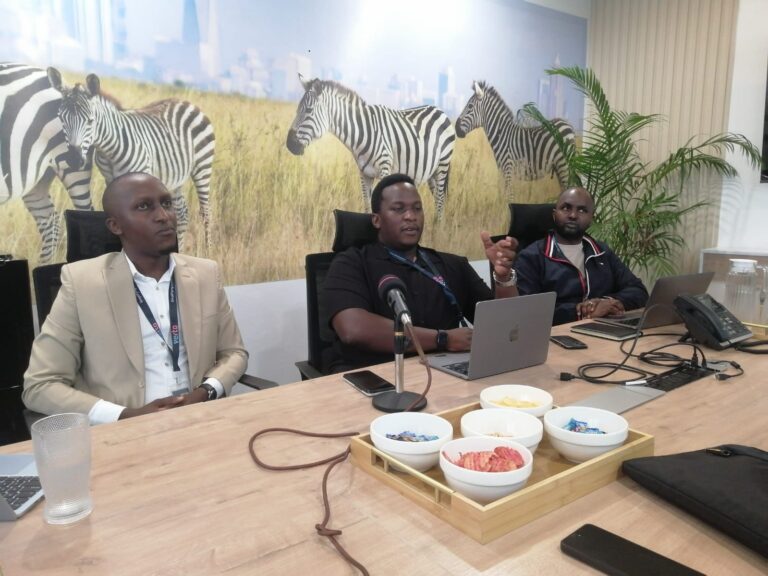
At a media roundtable held in Nairobi this week by payments infrastructure firm Verto, executives and fintech players said growing trade volumes and cross-border business activity are placing new demands on Kenya’s payments rails—demands that existing systems are increasingly struggling to meet.

Kenya built its reputation on rapid mobile money adoption, enabling millions of consumers to transact digitally. But as businesses expand beyond national borders, participants said the priority is moving toward real-time settlement, interoperability between systems, and clearer pricing for foreign exchange and cross-border transfers.

“Kenya has demonstrated what is possible when innovation meets demand, but the conversation now has to move to infrastructure,” said Mark Mwaniki, Director of Sales – Kenya at Verto. “Businesses want payments that move as fast as their operations. That means fewer intermediaries and systems that can handle both local and cross-border flows efficiently.”

Industry participants said that while consumers have benefited from fast and convenient digital payments, many small and medium-sized enterprises continue to face delays, higher costs, and limited transparency when moving money across borders. These frictions, they said, are particularly pronounced for companies trading within Africa.

According to Mwaniki, infrastructure providers are increasingly focused on connecting domestic payment systems with global networks rather than replacing existing platforms. “The future is about linking what already works in a way that allows money to move securely and transparently across markets,” he said.

The discussions also highlighted the role of regulators, banks, fintechs, and infrastructure firms in shaping the next phase of the ecosystem. Participants said clearer regulatory frameworks and closer collaboration would be necessary to support innovation while preserving financial stability.

As Kenya positions itself as a regional commercial hub, the reliability and efficiency of its payments infrastructure is becoming a competitive issue, rather than just a technical one. Industry leaders said sustained investment in back-end systems—rather than only consumer-facing products—would be critical to maintaining growth.

“Payments are no longer just a support function,” Mwaniki said. “They are a strategic enabler for trade, investment and economic inclusion.”

The consensus emerging from the roundtable was that Kenya’s digital payments journey is far from over, but the emphasis is shifting away from innovation at the edges toward strengthening the core systems that move money every day.

How Modern Teams Can Use AI to Organize Equipment, Devices, and Field Assets Without Expensive Software

0

Many teams in different industries today rely on a ton of physical equipment to do their jobs:  from IT support to video production brands, field service and maintenance to construction teams, and event teams, to name a few. For decades, the only way to keep track of this equipment and gear was specialized, legacy software. 

The problem? These traditional systems are too expensive. Most of them charge per user, meaning hundreds to thousands of dollars annually to manage your inventory. What’s more? They’re packed with ‘enterprise features’ you may never use, they take time to learn, and for each item you’re tracking, you’ll still need to enter the details manually.

For most smaller teams, it’s been an impossible choice between paying for bloated software they can barely afford and don’t fully need, wasting countless hours maintaining ‘free spreadsheets’ that cost you time, or simply not tracking equipment at all and dealing with the consequences of lost gear and duplicate purchases.

Recently, a new wave of AI-powered inventory systems has started to change this. In this guide, we’ll discuss how AI image recognition eliminates manual data entry and, especially when paired with QR code tracking, creates an agile equipment management system that actually fits how modern teams work.

Why traditional asset management fails modern teams

When you need to pay for each team member to use them, these traditional asset management systems get pricey very quickly, especially for teams with more members.

These platforms typically try to justify the high price tags with the number of features they have, but in reality, many modern teams don’t need most of them. What you’re left with is an overstuffed interface and unnecessary steps to find the features you actually need: an inventory list that’s easy on the eyes, a way to update specific item details conveniently, and quickly know where items are.

Then there’s the issue of manual entry. With many of these systems, you still need to create and fill in your inventory manually (descriptions, quantities, brand, etc). This becomes a bottleneck for team managers who’re already juggling different tasks.

Many legacy inventory systems also come with desktop-first designs and only work with specialized scanning devices, meaning extra costs and delayed setup. 

The issue is that many legacy asset management systems were designed for static workflows of warehouses and just no longer work for smaller modern teams who move quickly. Enter…

The Smartphone + AI + QR Code Solution

Modern AI-powered inventory systems are a practical option for teams that need flexibility without high costs. Here’s how they work:

AI recognizes items and creates inventory entries

At the heart of modern smart inventory systems is AI image recognition. Some tools come with a built-in AI that is able to build a full inventory of equipment by analyzing photos or videos of items.

QR codes help with tracking

Some of these systems also feature QR-code-based tracking, where physical QR stickers are placed on the equipment and, when scanned, open up a URL that points to the digital record of the item hosted on the app itself.

Smartphones become scanners

Most smartphones today come with cameras that can scan QR codes. Since the equipment labels are QR-based, these smart inventory systems leverage this by allowing team members to scan items using their phones.

Combined, these core features allow modern teams to build and manage an inventory as quickly and cheaply as possible. 

How budget-friendly AI-based systems speed up asset management 

AI-powered inventory systems automate the bulk of the manual work when creating an inventory and pulling up information on your items. And many of them go for price tags that are a fraction of what you’ll pay for legacy systems. Here’s why AI-enabled inventory tools are the best approach to inventory for modern teams:

Team bundles save costs

First, some modern AI-enabled inventory systems come with bundle or ‘team’ pricing. So instead of paying per user, you pay a single bulk sum per month. Now the best part is, this bulk sum will typically be much lower than the amount you’d have paid for your whole team on a per-user model (typically in the tens of dollars).

Some newer tools, such as Scanlily, offer pricing models that are significantly more affordable than traditional per-user systems.

AI makes cataloging instant

The AI recognition capability that some of these tools offer is the biggest revolution in inventory creation. Instead of manually filling in the details of each item, you simply take a photo or video of the items you want to add to your inventory, and the AI will analyze the frames and create an entry for each item: brand and item names, descriptions, category, color, photos, etc.

Adding or updating dozens of inventory items that used to take team managers hours or days can now be done in minutes. 

No specialized devices needed… just their own phones

These AI-enabled inventory systems are even more affordable because, unlike legacy systems, teams don’t need to spend extra money on desktops or specialized scanners to use them. Since some of these tools come with QR-code-based tracking, any smartphone suddenly becomes a powerful scanner. Team members only need to use their phone cameras to scan the QR label and can immediately edit or update relevant fields for each item.

What’s more? AI-enabled inventory systems are mobile-first and are built as apps that live on team members’ phones… no need for expensive desktop systems. These make them extremely agile since the inventory is accessible to every team member wherever they are.

And a few platforms actually offer appless scanning, where anyone with a phone can have pre-configured access to item fields. This makes the most sense for contractors and temporary workers who don’t need long-term access like your permanent employees.

Finding items using natural language search

Legacy systems use keyword matching to show items in your inventory. The challenge with this is that if you have several items with similar names, you spend more time finding the exact one(s) you’re looking for.

Some modern phone-based inventory apps that feature AI allow you to ask questions and phrases to find particular items. If you typed ‘where’s the camera kit we used in San Diego last week?’, the AI actually understands your question semantically and in context, and then scans your item list, finds all the cameras, and then checks the location tags to find the one used in the location and within the time frame you specified.

With AI built in, these systems become intelligent assistants, and you find items much faster. Which brings us to the next point…

Items show up on actual maps

When you’re trying to find equipment or gear quickly, not knowing which warehouse or venue has the items you’re looking for can be very frustrating. 

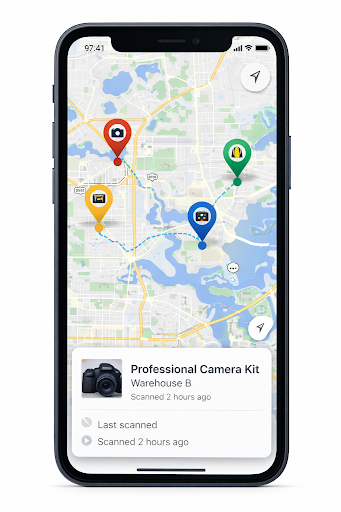
Some modern inventory apps also feature ‘GPS tagging’ where the exact GPS locations of your team members’ devices are captured whenever they scan the physical QR stickers placed on equipment, and these are shown on the map software the scanning phone uses.

This location data is saved automatically and added to the main inventory you manage. That way, you can quickly find equipment based on the last saved coordinates or see a location trail that shows you how your items moved and where they were used.

Some of these apps also come with real-time GPS alerts that notify you whenever equipment is scanned in a new location, meaning you always know exactly where to find gear when you need it.

Visual organization means instant recall

Traditional inventory systems present equipment as text-based lists, and you’re scanning through rows of serial numbers, model names, and typed descriptions that all blur together to find a specific item. You are also reading through entries, cross-referencing codes, and hoping the person who entered the data described it accurately.

This text-first approach works against how human brains actually process information. We recognize images far faster than we decode written descriptions.

Some of these AI-powered systems flip this entirely. Every item in your inventory includes photos automatically extracted during the cataloging process, creating a visual catalog that works like your phone’s photo library. Scroll through the equipment and instantly spot the camera with the scratched body or the projector with the blue case.

Rounding up

Modern teams run workflows that legacy systems just can’t keep up with, and when you consider how expensive they are, they’re increasingly difficult to justify for fast-moving teams. Modern inventory tools that come with built-in AI recognition make adding items incredibly fast and simple.

The AI system analyzes images and videos of equipment and creates a separate entry for each item in minutes… the age of manual entry is now history! Better yet, these tools organize your inventory visually, so managers can find what they need through natural language searches and images instead of scrolling through text lists.

Finally, when combined with QR-based tracking in tools like Scanlily, AI-powered inventory becomes a more affordable, convenient, and faster way for modern teams to build and maintain organized equipment records.


Konza Technopolis to Host Landmark Summit for Women in Tech

0

Nairobi is set to become a hub for digital pioneers next month as Konza Technopolis prepares to host the TEC Summit 2026, a high-level forum aimed at bridging the gender gap in Africa’s “Silicon Savannah.”

The two-day event, scheduled to run from March 25 to 26, 2026, serves as a strategic platform to celebrate and advance women who are currently shaping the future of Science, Technology, Engineering, and Mathematics (STEM), as well as the Creative Economy.

This year’s summit is being organised through a broad partnership that includes the Ministry of Information, Communications & the Digital Economy, the National Gender and Equality Commission (NGEC), and global tech giant Microsoft.

Furthermore, the initiative is supported by a coalition of specialist partners such as Silicon Savannah Woman, EdSource Kenya, InnovateHER, and SME Support Centre.

The core objective of the 2026 gathering is to highlight the “power of mentorship, collaboration, leadership, and shared opportunity” as vital drivers for inclusive innovation and sustainable economic growth.

In addition to the main summit discussions, the event will feature the ‘Women in the Digital Future – Inspiration Awards’.

These accolades are designed to spotlight outstanding female leaders whose work is directly accelerating Kenya’s digital and creative landscape.

Consequently, Konza Technopolis has issued a call to the public and institutions to nominate inspiring individuals across several diverse categories:

  • ICT and Education: Outstanding Woman Leader in ICT and Excellence in Digital Learning & Skills Development.

  • Business and Innovation: Innovation & SME Impact and the Female-led Business Excellence Award.

  • Sustainability and Future Talent: Women in Green Tech & Smart Cities and the Emerging Woman Leader of the Digital Future (Youth).

  • Culture and Support: Creative Economy & Digital Content Leadership alongside the HeForShe Champion Award.

Beyond the immediate celebrations, the summit reflects Konza Technopolis’s long-term commitment to building “inclusive innovation ecosystems.”

By strengthening research, commercialisation, and access to digital platforms, the organisers aim to solidify Kenya’s position as a regional leader in digital transformation.

Ultimately, this initiative seeks to move beyond mere conversation, focusing instead on fostering high-impact partnerships across both public and private sectors to ensure women remain at the forefront of the technological revolution.

Kenya Set to Overhaul Internet Telephony Rules as ICT Regulator, CA Opens Public Consultation

0

Kenya’s ICT regulator has invited the public to weigh in on a new set of rules governing internet-based calling, marking the first major update to the sector’s framework in over two decades..

The Communications Authority of Kenya (CA) has launched a sweeping review of the nation’s internet telephony regulations, marking the first major policy update for the sector in over two decades.

In a move aimed at fostering innovation and competition, the regulator has released the draft of the Technical and Operational Guidelines for Deployment and Roll Out of Commercial Internet Telephony Services, 2026.

These new rules are designed to replace the now-obsolete 2005 framework, which was established back when Voice over Internet Protocol (VoIP) was a niche technology rather than a global standard.

A Strategic Digital Upgrade

The transition reflects the massive evolution of Kenyan telecommunications, which has moved from copper-wire landlines (PSTN) to the dominance of mobile networks (PLMN) and now to advanced internet-based voice signals.

According to the CA, the current technological landscape has created “gaps and inconsistencies” that the new 2026 guidelines seek to resolve.

The objectives of this overhaul include:

Firstly, establishing a level playing field between internet calling startups and established traditional telcos.

Secondly, setting strict quality standards to ensure that calls over the internet are as reliable as traditional mobile services.

Lastly, providing a legal framework for “Hybrid” models, where calls may start on a mobile network and end on the internet.

Rigorous New Technical Standards

To protect the “interests of consumers,” the CA has outlined precise performance requirements for service providers.

Under the new rules, commercial VoIP services must maintain: One-way delayof less than 150 milliseconds, Packet loss of less than 1% and Jitter (audio variations) of less than 20 milliseconds.

Furthermore, the guidelines mandate the use of IPv6, the latest internet protocol, and require sophisticated “Priority Queuing” to ensure voice data is processed faster than standard internet traffic to prevent audio glitches.

Licensing and Consumer Protection

The draft also clarifies the legal hurdles for companies.

Businesses wishing to offer domestic internet calling will require an Application Service Provider (ASP) licence, while those handling international calls will need an International Gateway Systems and Services (IGSS) licence.

Crucially, the regulator is taking a hard line on security.

All internet calls must display valid Caller Line Identifiers (CLI). Traditional networks (PSTN/PLMN) will be obligated to block any internet calls that lack this identification and must report calls suspected of being manipulated or fraudulent.

Deadline for Public Feedback

In a statement, the new Director General Jessy Maruti invited the public, tech firms, and industry stakeholders to weigh in on the proposals.

This consultation period is a vital step in “safeguarding the interests of consumers” in a rapidly shifting environment.

The public has until March 30th, 2026, to submit their comments via email to voip@ca.go.ke.

Once finalised, these rules will officially repeal the August 12th, 2005 guidelines, signaling a new era for Kenya’s digital economy.

Final Call for Female Entrepreneurs as NCBA Accelerator, AFAWA Deadline Approaches

0

Women-owned businesses in the agri-food and distribution sectors have just days remaining to apply for a prestigious growth program, with the window for the second cohort of the AFAWA initiative set to close this week.

The AFAWA Program, a collaborative effort between NCBA Bank, the African Guarantee Fund (AGF), Unga Group Plc, and the SME Support Centre, is making a final push for applications ahead of its 26th February 2026 deadline.

Designed as a high-impact capacity development program, the initiative aims to “strengthen the capacity and market readiness” of Women-Owned Small and Medium-Sized Enterprises (WSMEs) by facilitating critical access to finance and supporting business scalability.

As the cutoff date nears, organizers have emphasized that the program is specifically curated for businesses with at least 51% female shareholding.

To ensure transparency and readiness for the four-month commitment, applicants must provide formal evidence of ownership, such as a CR12 form.

Furthermore, the program is looking for established enterprises that meet the following technical benchmarks:

  • Financial Performance: A minimum annual turnover of KES 5,000,000 is required.

  • Business Maturity: Companies must have been in operation for at least 3 years.

  • Workforce Scale: A minimum staff count of 10 employees is necessary to qualify.

While the program is primarily seeking businesses located in the Nairobi Metropolitan region—specifically Nairobi, Kiambu, Machakos, and Kajiado—strong applications from other counties are also being encouraged for consideration.

The curriculum is deeply integrated into the Unga Group Plc value chain.

Consequently, the call is out for those involved in the supply of raw materials like white and yellow maize, soya beans, and wheat by-products, as well as those distributing human foods and animal health products, including minerals and premixes.

With the deadline falling on 26th February 2026, time is running out for entrepreneurs to join a cohort designed to enhance “market readiness”.

By meeting the qualifications outlined, successful applicants will gain access to a platform curated to “accelerate your growth” through expert-led sessions and strategic networking.

Ultimately, this program represents a vital opportunity for women leaders to transition their businesses from local operations to scalable, bankable enterprises.

Interested parties are can apply here before the link expires at the end of the week.

BasiGo Charges Ahead with Premium Electric Commuter Service for Nairobi Professionals

0

The Kenyan electric vehicle pioneer, BasiGo is venturing into the world of scheduled transit, launching a pilot program designed to lure Nairobi’s middle class away from private cars and into battery-powered buses.

By integrating mid-sized electric buses into the capital’s existing “matatu” cooperative networks, the startup is attempting to formalize a transit market long defined by its fragmentation.

The service offers fixed-route, non-stop connections between residential estates and key commercial districts such as Westlands and Upper Hill, directly addressing the predictability gap that often forces professionals to drive themselves.

Unlike traditional public service vehicle operations, which often rely on guesswork and touting, BasiGo’s approach is rooted in digital insights.

Moses Nderitu, BasiGo’s Kenyan managing director, explained: “The model is built on data. We collect and analyse customer demand to determine which routes make sense for operators, and with those insights, operators deploy buses on structured schedules.”

To facilitate this, the company uses its booking platform, Jani, to aggregate demand and pre-sell seats.

Currently, commuters traveling from Nyayo Estate to Westlands via the Nairobi Expressway pay KES 200 ($1.55), while the route from Mwiki to Upper Hill is priced at KES 150 ($1.16).

Although these fares are a premium compared to the KES 80–120 ($0.62–$0.93) charged by standard diesel matatus, the company argues that the direct nature of the service reclaimed time for the 90% of riders who are corporate employees.

This move into mass transit inevitably draws comparisons to Swvl, the Egyptian startup that exited the Nairobi market in 2022.

However, while Swvl attempted to build a parallel fleet, BasiGo is layering its technology onto existing Saccos—the transport cooperative societies that already dominate the city’s roads.

Under this financial architecture, local operators retain 75% of the revenue after expenses, while BasiGo takes a 20% share.

Furthermore, the service is betting on high-end amenities to change public perception of mass transit.

Features such as:

  • Quiet, vibration-free cabins to provide a mobile office environment.

  • Onboard charging ports for professional convenience.

  • Digital payments, with 80% of transactions currently made via M-PESA till numbers.

Despite its limited scale, the pilot appears to have found its footing. The three-bus pilot currently serves approximately 300 unique weekly riders and maintains a robust average occupancy rate of 80%.

According to BasiGo, these direct routes can shave as much as 40 minutes off a one-way commute, providing a compelling alternative to ride-hailing giants like Uber and Bolt.

Looking ahead, the startup has expressed ambitions to add 10 more buses over the next 12 to 24 months.

Nevertheless, the speed of this expansion remains contingent on vehicle delivery timelines and the continued rollout of essential charging infrastructure across the city.

Nairobi to Host Connected Africa Summit (CAS) 2026 in April

0

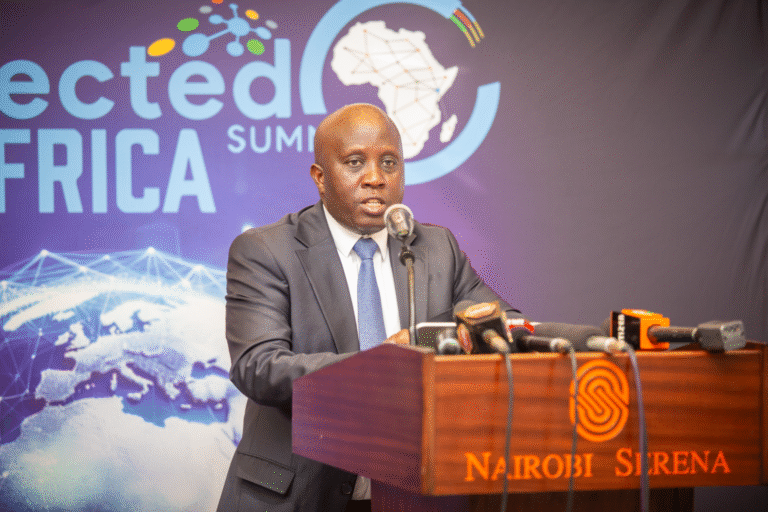
Kenya’s capital is preparing to welcome heads of state and global tech titans as the ICT Authority (ICTA) confirms the return of the Connected Africa Summit (CAS) to Nairobi on April.

The high-level forum is scheduled to take place from April 27 to 30, 2026, at The Edge Convention Centre, where it aims to bridge the gap between digital policy and real-world impact under the theme “Uniting Africa’s Innovation for a Single Digital Market.”

This upcoming gathering seeks to accelerate the continent’s journey toward a unified electronic economy by building on the significant momentum of previous editions, such as CAS2024, which focused on growth beyond connectivity, and CAS2025, titled “The Digital Journey: Vision to Reality.”

The scale of these past events is evidenced by the 2025 summit held in Diani, where more than 2,000 delegates—including Hon. Musalia Mudavadi, Hon. William Kabogo Gitau, Ambassador Philip Thigo, and Eunice Pohlmann, deliberated on critical issues ranging from climate technology to future skills.

Furthermore, that 2025 gathering concluded with the landmark adoption of the Diani Resolutions, a joint communiqué that committed stakeholders to deepening digital cooperation and launched the Connected Africa Secretariat to coordinate regional transformation efforts.

Consequently, the 2026 summit is strategically anchored in the African Union’s Digital Transformation Strategy for Africa 2020–2030 and aligns with continental frameworks such as the AfCFTA Digital Trade Protocol and the AU Data Policy Framework.

During a partners’ breakfast marking the start of this new journey, Eng. John Tanui, Principal Secretary in the State Department for ICT and Digital Economy, emphasized that while the government sets the regulatory direction, the sustainable execution of these goals depends heavily on private sector investment in digital skills, cloud sovereignty, and cybersecurity.

In a similar vein, ICTA’s incoming Chief Executive Officer, Jessy Maruti, has invited global stakeholders to participate in an event that promises to move beyond mere dialogue and toward concrete execution by aligning the goals of ministers, regulators, and CEOs.

To achieve this, the 2026 agenda will specifically examine how emerging technologies, including AI and advanced computing for African languages, can be tailored to the continent’s unique sectors and creative economies.

With more than 1,500 delegates from over 30 countries expected to attend, the high-level plenaries and breakout sessions are poised to forge the partnerships necessary to ensure Africa’s digital growth remains secure, interoperable, and inclusive for all communities.

Meta Integrates Threads Directly into Instagram Stories to Bolster Rapid User Growth

0

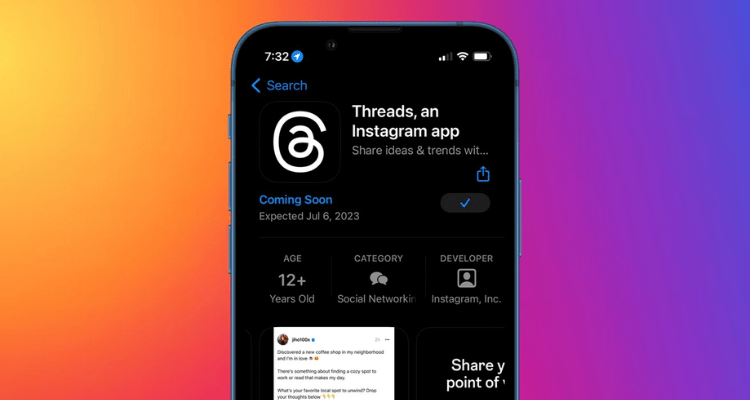
Meta has launched a fresh integration feature allowing users to post directly from Threads to Instagram Stories, as the tech giant seeks to consolidate its recent surge in user growth.

The update, which removes the need for users to toggle between separate applications, represents a strategic shift in how the company bridges the gap between its established photo-sharing giant and its burgeoning text-based rival to X.

Historically, sharing a thought from Threads to an Instagram Story was a multi-step process that required users to exit one app to open another, but the new workflow now allows for a seamless transition where users can preview exactly how a post will look on Instagram while remaining within the Threads interface.

By facilitating instantaneous sharing without app-switching friction, Meta is intentionally lowering the barrier to entry for Instagram’s massive audience to engage with Threads content.

Since its debut in July 2023, Threads has functioned less as a standalone island and more as a direct extension of the Instagram ecosystem, a relationship solidified by the requirement for users to sign in with their existing Instagram credentials.

This integration ensured that usernames, bios, and verification statuses were imported automatically, while also allowing new sign-ups to carry over their entire follower networks with a single tap.

Consequently, Meta has consistently used both Instagram and Facebook as engines to drive traffic toward the newer platform, a strategy of cross-platform promotion that appears to be yielding significant dividends for Mark Zuckerberg’s firm.

Recent company data highlights a steep trajectory, as the platform grew from 200 million monthly active users in August 2024 to 400 million by August 2025, with the company also reporting a milestone of 150 million daily active users in October.

While X (formerly Twitter) maintains a lead in web-based traffic, data from Similarweb indicates that Threads has now overtaken its rival in terms of daily mobile usage.

Ultimately, the ability to share directly to Stories is viewed by analysts not just as a convenience feature but as a vital growth lever designed to convert Instagram’s billions of users into active participants, thereby reducing churn and strengthening engagement loops across the entire Meta ecosystem.

Sixteen Years of the Galaxy S Series: How Samsung’s Flagship Phones Made History

0


It’s hard to believe the Samsung Galaxy S series has now been with us for 16 years, having first launched in 2010. Back then, smartphones felt almost sculptural. Smooth, shiny and curved like polished river stones, early Galaxy S devices were designed to look elegant and futuristic — and they did.

Fast forward to today, and the phones sitting on store shelves tell a very different story. Over the past decade and a half, Samsung’s flagship line has evolved its design language, camera technology and — more recently — AI integration, not randomly, but in response to real-world needs: larger camera sensors, better photography in any light, improved durability, easier handling and smarter everyday use.

The Early Years: Curves, Plastic and the Birth of Galaxy Photography (2010–2014)

The journey began with the Samsung Galaxy S. It featured a simple, rounded plastic body that felt light and grippy, paired with a vibrant Super AMOLED display that instantly stood out. Its 5MP rear camera was modest, but it marked Samsung’s serious entry into smartphone photography.

Samsung refined the formula quickly. The Samsung Galaxy S II arrived slimmer and more comfortable, with an upgraded 8MP camera and Full HD video recording. By the time the Samsung Galaxy S III and Samsung Galaxy S4 launched, the Galaxy S had adopted organic, pebble-like shapes, glossy finishes and larger displays.

Camera capabilities surged as well — reaching 13MP on the S4 and introducing 4K video recording on the Samsung Galaxy S5, alongside practical features like water resistance and removable backs.

Glass, Metal and the Rise of Curved Displays (2015–2016)

A dramatic shift came with the Samsung Galaxy S6 and Samsung Galaxy S6 Edge. Samsung abandoned plastic in favor of glass and metal, instantly elevating the premium feel. The Edge variant introduced curved displays that flowed into the sides of the phone, creating a seamless, immersive look.

Cameras jumped to 16MP with optical image stabilization, delivering sharper photos. The Samsung Galaxy S7 and Samsung Galaxy S7 Edge perfected this era, introducing dual-pixel autofocus that dramatically improved focus speed and low-light photography.

Infinity Displays and Luxury Aesthetics (2017–2019)

The curved design reached its peak with the Samsung Galaxy S8 and Samsung Galaxy S9, showcasing near bezel-less Infinity Displays that wrapped elegantly around the sides. By the Samsung Galaxy S10, Samsung had introduced hole-punch cameras and shimmering prismatic glass backs that shifted colors in the light.

Camera systems evolved rapidly — from dual lenses on the S9+ to ultra-wide cameras and advanced pro controls on the S10. These devices felt like luxury accessories: stunning, elegant and unmistakably premium, though often slippery and prone to fingerprints.

Function Over Form: Camera Bumps and Matte Finishes (2020–2021)

As camera hardware grew more complex, design priorities shifted. The Samsung Galaxy S20 introduced a bold rectangular camera module — a visual break from the smooth backs of previous generations.

The Samsung Galaxy S21 refined this idea, blending the camera housing into the frame itself. Matte finishes replaced glossy glass, improving grip and durability, while camera performance leapt forward with higher-resolution sensors and improved zoom.

Flat Screens, Boxy Frames and Mature Design (2022–2024)

The Samsung Galaxy S22 marked a decisive turn toward flat displays and boxy aluminum frames. These designs proved easier to hold, simpler to protect and less prone to accidental touches. Individual metal camera rings added a clean, premium aesthetic.

Samsung refined this approach with the Samsung Galaxy S23, improving materials, slimming bezels and fully integrating the S Pen into the Ultra model. The Samsung Galaxy S24 pushed things further, featuring uniform bezels, brighter displays and titanium construction on the Ultra for strength and weight reduction, alongside more natural color processing in photography.

The Galaxy S25 Era: Thoughtful Refinement (2025)

Samsung continued the evolution with the Samsung Galaxy S25 series. Rather than reinventing the design, the company focused on refinement. Flat displays remained, while the Ultra gained subtly rounded corners for comfort. The S25 and S25+ became thinner and lighter without sacrificing durability.

Camera upgrades stood out. The Ultra introduced a 50MP ultra-wide camera, replacing the long-standing 12MP sensor, while retaining the 200MP main camera. Enhanced Nightography and improved image processing delivered sharper detail, richer colors and more consistent results across lighting conditions.

Sixteen Years Later: A Tool Built for Everyday Life

These changes didn’t happen by accident. Larger sensors demanded sturdier frames. Flat screens reduced usability frustrations. Matte finishes improved grip. As smartphones became essential tools rather than fashion statements, Samsung leaned into function, durability and user feedback.

The result is a Galaxy S lineup that feels unified, capable and purpose-built for daily life. From a humble 5MP shooter in 2010 to today’s AI-powered, titanium-clad devices, the Galaxy S series has matured into one of the most influential smartphone lines in history.

And if the past 16 years are anything to go by, the next chapter is already being written — quietly preparing to shift expectations once again.

Meta to Axe Standalone Messenger Website in Major Platform Shake-up

0

Social media giant, Meta has confirmed it will shut down messenger.com, the dedicated web home for its messaging service, as part of a strategic retreat from standalone platforms.

The transition, scheduled to begin in April 2026, will see the website discontinued and replaced by a unified interface.

Once the shutdown takes effect, users attempting to access the site via desktop browsers will be automatically redirected to the messaging section of the main Facebook website.

According to Meta’s official support documentation, the move will significantly alter how millions of people communicate on desktop devices.

Website Closure: The standalone messenger.com address will no longer be accessible starting in April 2026.

Forced Redirection: Browser-based chat will be exclusively hosted within the core Facebook ecosystem at here.

Account Requirements: Critically, users who do not have an active Facebook account will be forced to use the Messenger mobile application to continue their conversations.

Data Security: Meta has reassured users that chat histories can be restored using existing backup PINs, with an option to reset them for those who have forgotten their credentials.

This consolidation represents a dramatic “U-turn” in Meta’s long-term product strategy.

While Messenger originally debuted as “Facebook Chat” in 2008, it was famously spun off into a standalone app in 2011.

By 2014, the company had completely separated messaging from its main mobile app, requiring a secondary installation.

However, in 2023, the company began a strategic reversal by reintegrating the two services.

The latest move follows the recent shutdown of standalone Messenger desktop applications for Windows and Mac, signalling a clear intent to reduce operational overhead by maintaining fewer independent services.

Despite the clear business logic, reducing infrastructure and maintenance costs, the decision has sparked a wave of criticism.

Many users who deactivated their Facebook profiles specifically to escape the social network’s main feed feel “undermined” by being forced back to the primary site.

Nevertheless, Meta appears committed to simplifying its “product ecosystem.”

By centralising messaging, the company can concentrate its development resources and create a more unified user experience, following a broader industry trend of tech firms pruning fragmented product lines to improve efficiency.

While the immediate future is clear, Meta has not yet elaborated on its long-term roadmap for Messenger once the website disappears in April.

Hafinen, Kenya’s HR-tech Rebuilds for Growth, Aiming to Become a Workforce Intelligence Platform

A young Kenyan HR-tech start-up, Hafinen, is repositioning itself as a connected people platform, arguing that as organisations grow, human resources can no longer remain an administrative afterthought.

The venture was Co-founded in 2024 by Janis M’imiemba and Sam Wakeneya.

“When we first launched Hafinen, the goal was simple: help teams bring structure to their people operations,” says co-founder and Chief Executive Officer (CEO), Janis M’imiemba.

At the outset, organisations used the platform to manage staff records, handle basic HR processes and coordinate early hiring workflows.

However, as clients expanded, the founders say a new reality emerged.

“But as our customers grew, something became clear very quickly: HR challenges don’t scale linearly.”

Indeed, growth, they argue, introduces complexity — “More people. More roles. More compliance. More accountability. More need for visibility and alignment.”

At that stage, HR shifts from being “administration” to becoming operations.

It is against this backdrop that the three-person company decided to rebuild its product architecture.

“This is why we rebuilt Hafinen — not to add more features, but to create a connected people platform that reflects how modern teams actually work,” Ms M’imiemba explains.

At the heart of the overhaul is what the start-up calls a “unified operational core”. The premise, the founders say, is that any effective HR system must deliver three fundamentals: visibility, control and consistency.

Consequently, the redesigned platform connects previously siloed functions into a single structure.

A comprehensive dashboard now brings together workforce statistics, hiring trends, staff growth data, announcements and a shared organisational calendar for meetings, holidays and events.

Rather than switching between separate modules, teams can view a real-time snapshot of activity across the organisation.

In addition, as companies scale, governance becomes critical. Hafinen has introduced role-based access control, fine-grained permissions per module and a clear separation between administrative and operational roles.

The aim is to protect sensitive data while maintaining collaboration.

More broadly, Hafinen says it operates across the full employee lifecycle, with a focus on enabling data-driven people decisions at scale.

Its platform spans talent acquisition, payroll, workforce analytics, performance management, employee engagement and retention, bringing what it describes as “traditionally siloed functions into a unified intelligence layer”.

“The goal is not simply to digitize HR workflows, but to equip decision-makers with actionable insights that improve both business performance and employee outcomes,” Ms M’imiemba says.

Geographically, the company operates across Kenya and other East African markets, with expansion underway in West Africa.

As it grows, it says it localises for regulatory, cultural and labour law differences to ensure responsible support for global organisations.

In essence, Hafinen positions itself as a strategic partner to HR and business leaders seeking to attract, develop and retain talent in an increasingly competitive, data-driven environment.

The rebuild extends into multiple operational areas.

Staff management now serves as the backbone of the platform, covering employee profiles and records, promotions, transfers and trips, awards, warnings, complaints and disciplinary actions, resignations and terminations, as well as performance goals, indicators and reviews. Supporting structures, including branches, departments, designations, contract types, document types, onboarding checklists and announcements — are designed to promote consistency.

Attendance and leave management have been integrated with organisational calendars.

The system supports leave policies and balances, leave applications and approvals, attendance tracking and regularisation, shift management and attendance policies.

Holidays can be categorised and applied organisation-wide to reduce scheduling conflicts.

Meanwhile, contracts and company documentation now sit within a structured system.

Employers can create and manage staff contracts, track renewals and contract history, store policies and procedures, require and record employee acknowledgements and use document templates for standardisation.

Training and development modules allow organisations to create training programmes, schedule sessions, track participation and classify training types, aligning learning initiatives with performance goals.

The platform also incorporates meeting management enabling teams to schedule meetings, track attendees, record minutes and assign and follow up on action items; alongside time tracking tools that log work hours and project time, with approval workflows and reporting features.

Recruitment covers job requisitions and postings, candidate sourcing and tracking, interviews, assessments and feedback, as well as offers and onboarding.

Job categories, locations, interview types, candidate sources and offer templates aim to introduce structure into hiring processes.

In addition, asset management tools allow organisations to register company assets, assign them to staff, track usage and maintenance, and monitor depreciation and asset reports.

Payroll functionality includes salary components and configurations, payroll runs and employee payslip access and downloads.

A centralised media library enables teams to upload and organise files, store documents and images, and reuse assets across the platform.

Funding ambitions and future plans

Despite its broad product scope, Hafinen remains lean. The firm has five employees including and is currently seeking funding.

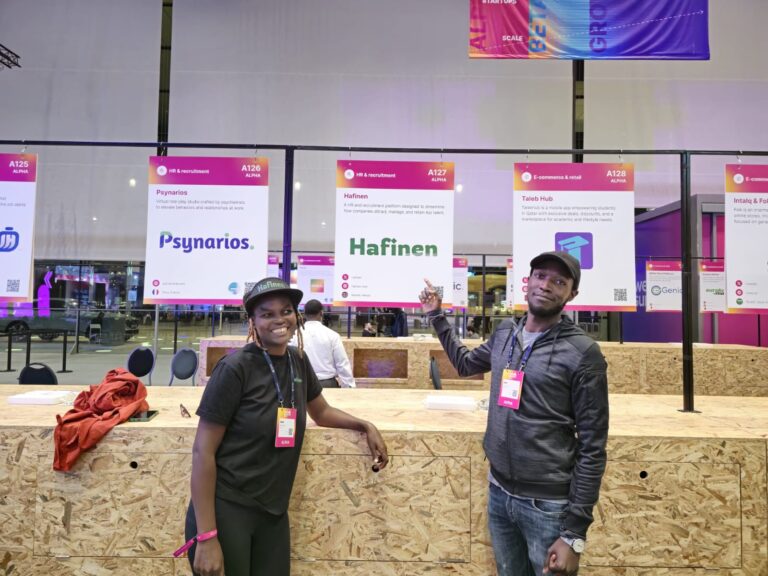
Its founders have participated in lots of tech networking events in Kenya and beyond, notably Africa Tech Summit side events and Web Summit in Qatar.

Looking ahead, the company says its five-year ambition is to become a category-defining workforce intelligence platform.

“Over the next five years, our goal is to become a category-defining workforce intelligence platform,” Ms M’imiemba says. “We plan to deepen our AI capabilities so companies can move from reactive HR processes to predictive, data-driven workforce decisions.”

This, he adds, will include expanding beyond hiring into skills intelligence, internal mobility, performance, payroll and retention — “all powered by responsible, explainable AI”.

Geographically, Hafinen aims to scale beyond Africa into a stronger global presence, while also moving further upmarket into large, global enterprises.

“In short, our five-year vision is to become the intelligence layer behind modern people strategy, helping organizations build, deploy, and retain talent more effectively at scale.”

For existing customers, the company says the underlying concepts will remain familiar, but the system is now “deeper, more connected, and more scalable”.

“This rebuild focuses on preserving continuity, improving clarity, reducing fragmentation, supporting growth without workarounds,” Ms M’imiemba notes.

And while the overhaul marks a significant milestone, he insists it is only the beginning.

“This rebuild is not a finish line. It’s a foundation.”

As Kenya’s HR-tech sector continues to evolve, Hafinen is betting that connected data — rather than disconnected tools — will define the next phase of workplace management.

Innovative Ways to Troubleshoot Common Remote Control Issues

0


Remote controls are fundamental tools for managing televisions, streaming devices, and sound systems, yet they often encounter technical problems that can disrupt your experience. Whether it is an unresponsive button or a lost connection, understanding proven troubleshooting methods will help you quickly get back to enjoying your entertainment. For Samsung TV owners who need a quick fix, consider a replacement Samsung TV remote if troubleshooting does not resolve the issue.

Timely maintenance and knowing how to address minor glitches can prevent the need for professional intervention. By using simple do-it-yourself techniques, you can typically revive your remote control and restore seamless operation to your electronic devices. This article outlines the best practices for diagnosing and correcting the most common remote control malfunctions and reviews alternative solutions that can serve in a pinch.

Check and Replace Batteries

Battery problems top the list of remote control complaints, accounting for a significant portion of malfunctions. When your remote suddenly stops functioning or responds intermittently, replace the old batteries with a new pair. Be mindful of battery orientation; inserting batteries incorrectly is a frequent oversight. It is recommended to use high-quality batteries to extend operational life and lessen the need for frequent changes. According to Wirecutter’s battery guide, investing in proven brands can make a substantial difference in performance.

Ensure a Clear Line of Sight

Infrared (IR) remote controls require an unobstructed line of sight between the remote and the maintenance receiving sensor on your device. Further, the longevity of remote controls or electronics in line of sight can interfere with signal transmission. To maximize effectiveness, make sure you are within the optimal distance (usually 6 to 9 feet for most remotes) and that nothing blocks the remote from the device’s sensor. This is especially important for media rooms or entertainment centers, where devices are often hidden behind cabinet doors.

Clean the Remote and Device Sensors

Dust, grime, or greasy fingerprints can accumulate on both the remote’s IR emitter and the receiving sensor on your devices. This buildup can obstruct the signal, leading to diminished response or outright failure. Regularly wiping the emitter window on your remote, as well as the sensor panel of your television or set-top box, with a soft, clean cloth will help sustain optimal performance. Avoid using harsh cleaning agents, as they can degrade plastics and potentially damage sensitive components.

Reset the Remote Control

When standard solutions fall short, a reset often provides a fresh start. Begin by removing the batteries from the remote. Press and hold the power button for around 10 seconds to discharge any residual power stored in the remote’s circuitry. Afterward, reinsert the batteries and test the remote’s responsiveness. This simple action can clear minor errors or glitches that develop in the remote’s memory over time.

Re-Pair the Remote with the Device

Many modern remotes use Bluetooth or radio-frequency (RF) signals instead of IR signals. If the remote has become unpaired from its device after a firmware update, battery change, or power surge, you should refer to your device’s user manual for specific re-pairing instructions. Manufacturers often require a button sequence or menu command to establish a new connection. Following these steps can restore full command functionality.

Test the Infrared Emitter

To determine if the IR emitter is transmitting, point the remote at the lens of a digital or smartphone camera. When you press any remote button, look at the camera display for a flashing light at the IR emitter tip. Human eyes cannot see this wavelength, but most cameras can. If there is no light, the remote’s emitter or circuit may be damaged, and repair or replacement will be necessary. Additional guidance on this method can be found in resources like TechRadar’s troubleshooting guide.

Address Interference from Other Devices

Many everyday household electronics emit wireless signals that may interfere with your remote control’s communication with your entertainment system. Devices such as cordless phones, microwave ovens, Wi-Fi routers, and even Bluetooth equipment often operate on overlapping radio frequencies, increasing the likelihood of signal disruption. To minimize interference, position these electronics away from your TV or media center. If your remote continues to respond inconsistently, try relocating nearby devices to identify and eliminate the source.

Utilize Smartphone Remote Apps

Device manufacturers are increasingly offering mobile apps that function as virtual remotes, providing a backup when your physical remote breaks or batteries run out. These apps connect via Wi-Fi or Bluetooth and can mirror many of the functions of your original remote. Look for official versions in device app stores. While these digital stand-ins are useful, especially for modern smart TVs, physical remotes remain a convenient long-term solution.

Consistently applying these troubleshooting steps empowers you to fix most remote control issues without professional assistance. Simple actions like checking batteries, cleaning contacts, resetting the device, and ensuring a clear line of sight can often restore functionality within minutes. Developing the habit of proactive maintenance prevents recurring problems and extends the lifespan of your remote. By confidently diagnosing minor issues at home, you save time, avoid unnecessary expenses, and enjoy a smoother, more frustration-free entertainment experience.


Interpol-led Operation Nets 27 Cybercrime Suspects in Kenya

0

A major international crackdown on digital fraud has led to the arrest of hundreds of suspects across Africa, including dozens in Kenya, as authorities move to dismantle sophisticated investment scams.

The coordinated sweep, dubbed Operation Red Card 2.0, took place between 8 December 2025 and 30 January 2026.

Led by Interpol, the mission targeted criminal hubs across 16 African nations, resulting in a total of 651 arrests and the recovery of more than $4.3 million in stolen funds.

The ‘Small Investment’ Trap

In Kenya alone, law enforcement officials apprehended 27 individuals linked to elaborate fraud schemes.

These syndicates reportedly utilised social media, messaging apps, and forged testimonials to trick victims into investing in what appeared to be reputable global corporations.

The methodology was deceptively simple: scammers would solicit initial payments as low as $50 (KES 6,500), promising lucrative returns.

While victims were shown fabricated dashboards displaying growing profits, the reality was far bleaker.

“Scammers solicited small initial investments… with claims of lucrative returns,” Interpol stated. “Victims were shown fabricated account statements or dashboards but withdrawal requests were systematically blocked”.

A Growing Continental Threat

This latest crackdown is part of a broader initiative under the African Joint Operation against Cybercrime (AFJOC).

It follows several high-profile successes, including Operation Serengeti and Operation Sentinel, as authorities ramp up pressure on transnational gangs.

The scale of the problem is highlighted in Interpol’s June 2025 Africa Cyberthreat Assessment Report.

According to the study, two-thirds of surveyed African member countries now classify cybercrime as a “medium-to-high” proportion of their total crime cases.

With vital sectors such as banking and energy increasingly under fire, Interpol has pledged “hands-on support” for targeted nations.

Furthermore, the success of the operation underscores the necessity of a united front against digital threats.

Neal Jetton, Interpol’s Director of the Cybercrime Directorate, emphasised that these results were only possible through cross-border cooperation.

“Operation Red Card highlights the importance of collaboration when combatting transnational cybercrime,” Mr Jetton said. “I encourage all victims of cybercrime to reach out to law enforcement for help”.

Kenyan Alpine Skiing Trailblazer Sabrina Wanjiku Simader Named Infinix Brand Partner Ahead of NOTE 60 Pro Launch

0

Kenyan alpine skiing trailblazer Sabrina Wanjiku Simader has been unveiled as the newest brand partner for Infinix, in a move the company says reflects resilience, ambition and a renewed focus on innovation.

The announcement comes as the 2026 Winter Olympics in Milano Cortina draw worldwide attention, with Google honouring the event with a doodle.

Although Simader is not competing this time, she has returned to the Olympic stage as a spectator and mentor and, for many, as a symbol of what is possible.

Simader made history at the PyeongChang 2018 Winter Olympics, becoming Kenya’s first female Winter Olympian.

Coming from a country with no snow, she defied convention in a sport traditionally dominated by alpine nations, and in doing so opened doors for athletes from non-traditional regions.

Infinix Kenya says the partnership is rooted in a shared belief in pushing limits and redefining expectations.

Under the campaign banner “Beyond Snow, All-Round Legends”, Simader will collaborate with the brand to tell stories of perseverance, reinvention and growth.

The campaign, the company adds, is designed to resonate with young Africans navigating shifting ambitions and new opportunities.

During the Milano Cortina Games, Simader is documenting her Olympic return using Infinix devices, capturing moments on the slopes she once raced on, reconnecting with athletes she inspired and reflecting on a journey that continues to influence a new generation.

Speaking about the partnership, she said her presence at the Games carries a broader message.

I’m returning to the Olympics not as a racer, but as someone who has lived the journey. It’s about showing that dreams don’t end, they evolve. And that ambition belongs to everyone, no matter where you come from,” she said.

At the same time, the partnership signals what Infinix describes as an important new chapter, as it prepares to launch its flagship device, the Infinix NOTE 60 Pro, in Kenya.

The upcoming release follows the introduction of the NOTE Edge and forms part of the NOTE 60 Series, which the company says marks a step-change in both design and performance. Notably, the NOTE 60 Pro is powered by the Snapdragon 7s Gen 4 5G platform — the first time Infinix has integrated a Snapdragon chipset into one of its smartphones.

According to the company, the move represents a significant performance upgrade, offering faster speeds, smoother multitasking and improved efficiency.

In addition, the device introduces Infinix’s next-generation Active Matrix Display, aimed at delivering a more immersive and interactive content experience.

The Infinix NOTE 60 Pro is set to launch soon in Kenya, with full pricing and availability details expected in the coming weeks.

More broadly, the collaboration places Infinix among a growing number of global smartphone brands turning to high-profile personalities to strengthen connections with consumers, shifting the focus beyond technical specifications towards aspiration, identity and shared values.

About Sabrina Wanjiku Simader

Sabrina Simader is a Kenyan Austrian alpine skier who became the first female Winter Olympian from Kenya at PyeongChang 2018 and the first African woman to compete in the FIS Alpine Skiing World Cup.

After retiring in 2025 due to funding constraints, she has continued to advocate globally for sports accessibility, youth empowerment and the breaking of stereotypes.

Google Launches the Pixel 10a: Everything You Need to Know

0

Google has launched the Pixel 10a and here is everything you to need to know from price, specs, design among others.

Price & Availability:
The Pixel 10a is available for $499, with pre-orders starting March 5, 2026 via the Google Store and major carriers.

Design & Sustainability:

  • Flat back with a seamless camera bar for a sleek look.
  • Materials include 100% recycled aluminium frame and 81% recycled plastic back, plus recycled cobalt, copper, gold, and tungsten.
  • Color options: Lavender, Berry, Fog, and Obsidian.

Durability & Display:

  • IP68 water and dust resistance.
  • Corning® Gorilla® Glass 7i for scratch and drop protection.
  • 6.3-inch Actua display, 11% brighter than Pixel 9a.
  • Battery: 30+ hours, up to 120 hours with Extreme Battery Saver.
  • Satellite SOS for emergency communication without cellular service.

Camera & Photography:

  • 48MP main and 13MP ultrawide camera.
  • Features: Macro Focus, Night Sight, Auto Best Take, Camera Coach, Add Me, and AI-powered Google Photos editing.
  • Quick Share now compatible with AirDrop® for easy sharing.

Performance & AI Features:

  • Powered by Google Tensor G4 chip.
  • AI capabilities include: Gemini Live, Nano Banana, Circle to Search, Call Screen, and Hold For Me.

Accessories:

  • Matching phone cases in all colors.
  • Pixel Buds 2a launching in Berry and Fog to complement the Pixel 10a.

Pixel 10a offers premium Pixel features, durability, and advanced AI tools at an accessible price point.


Unilever, Google Cloud in an AI Deal to Reshape Consumer Goods Marketing

0

Unilever has signed a five-year partnership with Google Cloud to accelerate its digital transformation, as consumer goods companies race to adapt to shopping journeys increasingly shaped by artificial intelligence.

Under the deal, Unilever will use Google Cloud’s advanced AI, data and cloud platforms to strengthen brand discovery, marketing measurement and AI-augmented commerce across its global portfolio, which includes Dove, Vaseline and Hellmann’s.

The companies said the partnership will support a shift toward more conversational and “agentic” consumer experiences, where AI systems can reason, learn and take actions across marketing and commerce workflows.

As part of the agreement, Unilever will migrate its integrated data and cloud platform to Google Cloud, creating what it described as an enterprise-wide, AI-first digital backbone. The move is aimed at speeding up demand generation, improving data-driven decision-making and enabling faster responses to changes in consumer behaviour.

“Technology has moved to the core of value creation at Unilever,” said Willem Uijen, the company’s chief supply chain and operations officer. “As brands are increasingly discovered and chosen in environments shaped by AI, we must lead this shift.”

Google Cloud said it will deploy its latest AI models, including Gemini, to help modernise Unilever’s business processes and build intelligent systems that can operate across the consumer goods group’s value chain.

“In partnering with Unilever, we are not just modernising legacy systems, but creating a system of intelligence that reasons, learns and acts,” said Tara Brady, president for Europe, the Middle East and Africa at Google Cloud.

The collaboration will focus on three areas: agentic commerce and marketing intelligence, an integrated data and cloud foundation, and the accelerated adoption of advanced AI technologies.

Unilever operates in more than 190 countries and said its products are used by 3.7 billion people daily. The group reported sales of €50.5 billion in 2025 and employs about 96,000 people globally.

MTN Group to Buy IHS Towers in $6.2 Billion Deal

0

MTN Group Limited said on Tuesday it had agreed to acquire IHS Towers in an all-cash transaction valuing the Africa-focused telecoms infrastructure firm at about $6.2 billion, in one of the largest digital infrastructure deals on the continent.

MTN will pay $8.50 per share for IHS Towers, the companies said, representing a premium of around 36% to the tower firm’s 52-week volume-weighted average price and about 3% to its unaffected closing price on Feb. 4, 2026. The offer also marks a 239% premium to IHS Towers’ share price when it announced a strategic review in March 2024.

IHS Towers’ board has unanimously approved the transaction and recommended it to shareholders. MTN, which already owns about 24% of IHS Towers on a fully diluted basis, has agreed to vote all its shares in favour of the deal. Long-term shareholder Wendel has also pledged its support, securing backing from more than 40% of shareholders.

Upon completion, IHS Towers will be delisted from the New York Stock Exchange and become a wholly owned subsidiary of MTN.

“This transaction provides certainty and immediate returns for our shareholders,” IHS Towers Chairman and Chief Executive Sam Darwish said, adding that it deepens the company’s long-standing partnership with MTN and strengthens its African focus.

MTN Group Chief Executive Ralph Mupita said the deal would allow the operator to regain ownership of critical network infrastructure as demand for digital connectivity across Africa continues to rise.

The transaction is expected to close in 2026, subject to shareholder and regulatory approvals.

MTN said the acquisition would be funded through the rollover of its existing stake in IHS Towers, about $1.1 billion in cash from MTN, roughly $1.1 billion from IHS Towers’ balance sheet and the rollover of existing debt. IHS Towers will also be required to maintain a minimum cash balance of $355 million at closing.

IHS Towers owns and operates more than 37,000 telecommunications towers across seven markets, including Nigeria, South Africa, Brazil and Zambia.

Advisers on the deal include J.P. Morgan for IHS Towers and BofA Securities and Citigroup Global Markets Limited for MTN.

Pesapal & Drift Consult Launch Rack Hospitality to Digitize Kenya’s Hospitality Sector

0


Pesapal, East Africa’s payments and business solutions provider, has partnered with technology firm Drift Consult to introduce Rack Hospitality, an integrated commerce platform designed for bars and restaurants.

The platform unifies order management, kitchen workflows, inventory control, billing, and payments into a single, continuous system aimed at accelerating digital payment adoption across the hospitality industry.

Many restaurants and bars expanding across dine-in, delivery, and online channels currently rely on fragmented tools for point of sale, online ordering, kitchen operations, and payments. This disjointed setup often results in delayed orders, manual reconciliation, stock inaccuracies, billing errors, and revenue leakage.

Developed by Drift Consult and embedded with Pesapal’s payments infrastructure, Rack Hospitality enables operators to capture orders from multiple channels, route them automatically to kitchen display systems, generate bills instantly, print receipts seamlessly, track inventory at the ingredient level in real time, and reconcile payments within a single reporting environment.

For bar operators, Rack streamlines front-of-house operations by allowing staff to post bills in real time, split tabs accurately, retrieve bills instantly, and print final receipts without switching systems, improving service speed and accuracy during peak hours.

By integrating payments directly into operational workflows, Rack reduces cash dependency, increases digital transaction capture, and gives operators real-time visibility of settlements across all service channels. This unified approach creates a single source of operational and financial truth, enabling structured transaction reporting for better forecasting, margin management, and access to financial services.

“Restaurants have digitized customer touchpoints, but the systems behind them remain fragmented,” said Ferdinand Eloto, Co-Founder of Drift Consult. “Rack brings ordering, kitchen management, inventory, billing, and payments into one continuous workflow.”

For Pesapal, the partnership represents a strategic move beyond standalone payments into vertical commerce solutions tailored for fast-growing hospitality businesses.

“Hospitality businesses today require full operational visibility, not fragmented systems. By embedding payments directly into Rack Hospitality, we eliminate reconciliation gaps and drive efficiency from order through to settlement,” said Agosta Liko, Founder of Pesapal.

The platform, designed for Kenya’s mobile-first payments ecosystem, has been piloted in live bar and restaurant environments and is now rolling out broadly across qualifying partners.

As hybrid hospitality models become the norm, integrating payments and operations is increasingly seen as a competitive advantage. Through this partnership, Pesapal strengthens its position as a full-stack commerce partner for bars and restaurants.

Since 2009, Pesapal has been at the forefront of digital payments in Africa, enabling businesses to accept mobile and card payments while offering complementary tools for ticketing, reservations, reporting, and APIs.

Rack Hospitality is now available to bar and restaurant operators across the region.

How JustMarkets Is Empowering African Traders with Global Market Access

0

Africa’s trading community is rapidly growing, evolving, and showing increasing interest in financial markets. From Lagos to Nairobi, from Accra to Johannesburg, more and more people are exploring financial markets as a way to develop skills, earn income, and participate in the global economy. But the ability to trade isn’t enough; traders also need reliable technology, fair conditions, and tools that help them make informed decisions and trade effectively. This is where trading platforms like JustMarkets make a significant contribution to the development and expansion of the trading community in the African region.

By combining global market access with a results-oriented trading environment, JustMarkets helps African traders compete head-to-head with those in the world’s largest financial centers, providing access to tight spreads, a wide range of analytical materials, and a variety of account types.

Breaking Barriers to Global Markets

For years, traders in emerging markets have faced limitations: slow platforms, a limited range of instruments, low liquidity, wide spreads, and infrastructure that hinders professional trading and effective analysis. Today, JustMarkets addresses this significant gap by providing African traders with access to a wide range of global financial instruments through a single, optimized online platform.

Now traders have the opportunity to test short-term strategies, long-term portfolio diversification, and learn how markets work. Traders can now explore opportunities in forex, commodities, indices, and stock markets without geographic barriers or technical difficulties.

A Trading Platform Built for Performance

Technology plays a critical role in modern trading. Market conditions can change in seconds, and execution speed often makes the difference between opportunity and missed entry. The JustMarkets leading trading platform is designed to support fast, confident decisions in real time.

  • Ultra-fast execution. Engineered for low-latency order processing, the app helps ensure trades are executed quickly and efficiently when markets move.
  • Full risk management. Stop-loss, take-profit, and position sizing can be managed directly from the chart, helping traders stay disciplined and protect capital.
  • Advanced charting. Interactive charts, multiple timeframes, drawing tools, and built-in indicators provide the analytical depth needed for informed trading decisions.
  • Real-time alerts. Instant notifications about price movements, order events, and key market developments help traders stay connected even when they’re away from the screen.
  • Secure authentication. Biometric login, encrypted data transmission, and advanced internal security protocols ensure that accounts and personal data remain protected.

This combination of speed, usability, and security makes professional-grade trading accessible from anywhere, even on the go with JustMarkets mobile trading app.

Trade a Wide Range of Global Markets

Access to diverse instruments allows traders to adapt to different market conditions and explore multiple strategies. JustMarkets provides African traders with the ability to participate in major asset classes worldwide.

  • Forex. Trade major, minor, and exotic currency pairs with competitive pricing and deep liquidity.
  • Gold & Metals. Access precious metals such as XAUUSD and XAGUSD, popular instruments for active traders and those seeking exposure to global macro trends with competitive spreads.
  • Indices. Engage with leading global stock indices including the S&P 500, NASDAQ, Dow Jones, DAX, and FTSE – markets that reflect the performance of major economies.
  • Stocks. Trade shares of global companies and high-volume market leaders, opening opportunities to follow international corporate trends.
  • Energy. Speculate on key energy commodities such as WTI and Brent crude oil, instruments often influenced by geopolitical and macroeconomic developments.

This broad market selection helps traders diversify and respond flexibly to changing global conditions.

Supporting Trader Development

Expanding technical, educational, and analytical capabilities extends beyond technology. JustMarkets also places a special emphasis on helping traders build knowledge and confidence. Access to educational materials, market analysis, and structured risk management tools fosters a more disciplined and informed approach to trading, including setting trading goals.

For many African traders, this means moving from random speculation and emotional trades to a more professional mindset, and most importantly, understanding that long-term success depends on strategy, risk management, continuous learning, and a cool head.

Connecting Africa to the Global Financial Ecosystem

Financial markets are becoming increasingly interconnected, with traders from all regions now participating in the same global capital flow. Offering advanced tools such as flexible leverage, fast order execution, and broad access to markets and trading assets, the JustMarkets online trading platform helps African traders become active participants in this ecosystem with full access to analytical and educational materials, as well as cutting-edge technological solutions for managing trades, accounts, and open positions. JustMarkets’ commitment to empowering traders, increasing financial literacy, and enabling people to engage with global markets on a level playing field. As the African trading community grows, online trading platforms like JustMarkets, which combine performance, accessibility, and security, will play a key role in this process. But pay attention that risk management still is a key to success as CFD trading involves risks.


Nairobi’s Arc Ride Secures $5m IFC Backing to Drive African E-mobility Expansion

0

The World Bank’s private sector arm, the International Finance Corporation (IFC), has committed $5 million in equity to Arc Ride, a move set to accelerate the rollout of electric motorcycles across East Africa.

This significant investment serves as the anchor for the Nairobi-based startup’s Series A funding round.

It marks a pivotal moment for the continent’s transport sector, signaling robust institutional confidence in the shift away from fossil fuels toward sustainable, electric alternatives.

At the core of Arc Ride’s operational success is its innovative “Battery-as-a-Service” (BaaS) framework.

By decoupling the ownership of the vehicle from its most expensive component, the battery, the company has managed to lower the initial purchase price of electric motorcycles to a level that competes directly with traditional internal combustion engine (ICE) bikes.

Under this “swap economy” model, riders lease batteries and utilize a network of automated cabinets located at petrol stations and warehouses.

The process is designed for speed; a depleted battery can be exchanged for a fully charged one in under 60 seconds, effectively eliminating “range anxiety” for commercial operators.

Strategic deployment of capital

The $5 million equity injection is intended to help Arc Ride transition from a local pioneer into a regional leader.

Consequently, the capital will be focused on three primary objectives: First, network Density by expanding the footprint of automated swapping stations within Kenya to reduce wait times in urban areas.

Second, regional Growth by facilitating entry into new high-growth markets across East Africa, targeting major commuter hubs.

Lastly, research and development by upgrading proprietary infrastructure to ensure all technology meets internationally compliant standards.

For the “boda boda” (motorcycle taxi) sector, the transition to electric power offers a significant financial lifeline.

It is estimated that this model can slash daily fuel and maintenance costs by up to 40%, providing a meaningful boost to the disposable income of low-income gig workers.

Furthermore, the environmental benefits are substantial. Each electric motorcycle deployed is expected to save approximately 2 tonnes of carbon dioxide (CO2) emissions annually.

This aligns with Kenya’s aggressive national e-mobility policy, which aims to reduce the nation’s reliance on volatile and expensive fossil fuel imports.

The IFC’s equity stake follows a series of successful capital raises throughout 2025.

In early 2025, Arc Ride secured a $5 million debt facility from British International Investment (BII), followed by a $10 million senior secured loan from Mirova International in September 2025.

Beyond the financial boost, the IFC is expected to provide “non-financial additionality” by helping the company elevate its Environmental, Social, and Governance (ESG) standards.

This role is likely to create a “crowding-in” effect, making the venture more attractive to future private investors.

As Arc Ride scales its operations, it is not merely electrifying the streets of Nairobi; it is providing a scalable blueprint for the future of the African commuter economy.