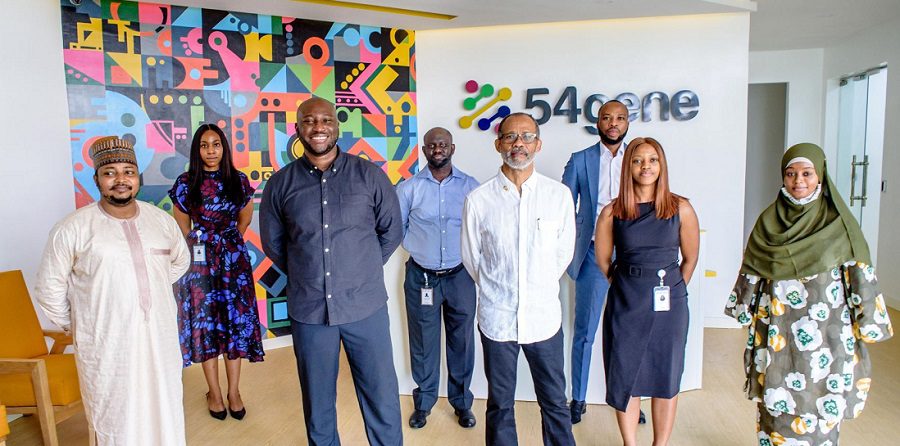
54gene, the pioneering African genomics startup once hailed as a breakthrough for global health equity, has begun winding down operations after raising a total of $45 million from international investors.
Founded in 2019 by Dr. Abasi Ene-Obong, 54gene set out to address a major gap in global medical research: less than 3% of the genetic material used in pharmaceutical studies originates from African populations. The company collected and analyzed genomic data to support drug discovery and precision medicine tailored to Africans — a market long overlooked by biotech.
But after four turbulent years, the company has collapsed under financial and leadership strain.
The shutdown process began in July 2023, with the startup’s website disappearing from the internet by September. The company also lost its PR representation, signaling mounting instability.
54gene underwent three CEO changes in just one year. Silicon Valley biotech executive Ron Chiarello was appointed in March 2023, but exited only four months later.
“Unfortunately, the company could not continue to operate financially, and it began to wind down in July,” said Ron Chiarello, former CEO.
As part of the dissolution, 54gene is now trying to sell its key assets — including a state-of-the-art biobank containing thousands of valuable biological samples.
However, unresolved disputes threaten to slow the asset sale. Creditors claim they remain unpaid, and former legal counsel and interim CEO Teresia Bost has filed a lawsuit accusing the company of discriminatory behavior and a hostile work environment.
The abrupt downfall of one of Africa’s highest-funded health-tech startups has raised alarms across the continent’s biotech ecosystem. Investors worry that the collapse could dampen enthusiasm for future genomics ventures in Africa — a sector once viewed as vital to the next era of global healthcare innovation.
Despite the shutdown, the vision behind 54gene continues. Co-founder Ene-Obong has already launched a new genomics venture, Syndicate Bio, which aims to continue advancing precision medicine for underrepresented populations.