For years, Africa’s digital transformation story has largely centered on cities, where infrastructure investment, technology adoption, and innovation ecosystems have grown rapidly. Yet beyond these urban centers, millions of people across rural and peri-urban communities still remain under-connected, limiting access to education, healthcare, entrepreneurship opportunities, and economic participation.
At Mawingu Group, that gap became an opportunity to build something different. What began as a social impact initiative in the foothills of Mt. Kenya has evolved into one of East Africa’s largest rural-focused connectivity providers, operating across more than 33 counties in Kenya and through Habari in Tanzania. Today, the company is expanding beyond internet access into digital services designed to support communities and businesses long after they get online.
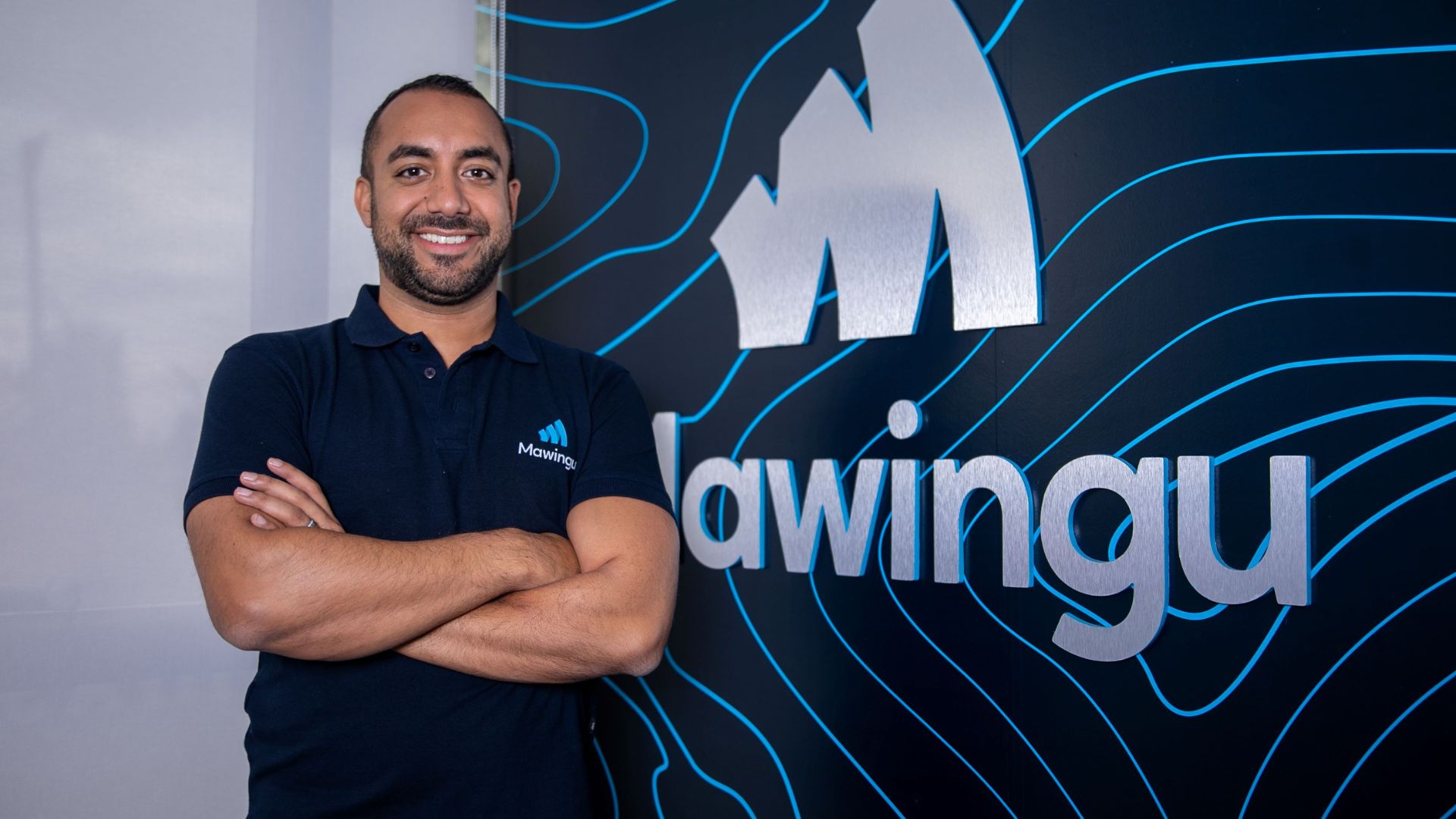
Leading this vision is Farouk Ramji, who believes internet access is no longer simply about connectivity. Under his leadership, Mawingu is pursuing an ambitious target of positively impacting one million people by 2028 through affordable connectivity, digital skills development, and broader inclusion efforts. The goal, he says, is straightforward: ensure geography no longer determines opportunity.
TechMoran had an interview with Ramji last week on Mawingu’s plan for youths in Africa. Below is the second instalment of our interview on the role of internet for rural and peri-urbarn youth in Africa.
Please introduce yourself and briefly share your journey to becoming CEO of Mawingu. What has been your biggest achievement so far?
Farouk Ramji: I’m Farouk Ramji, CEO of Mawingu Group, East Africa’s largest internet service provider focused on connecting rural and peri-urban communities. My journey has been built over more than 15 years across operations, technology, and strategy in Africa and Central Asia.
I’ve worked with both startups and established organizations, helping scale operations, shape strategy, and lead mergers and acquisitions. Those experiences gave me a deep appreciation for what it takes to build sustainable businesses in the digital infrastructure space.
What drew me to Mawingu was the opportunity to combine commercial discipline with meaningful social impact, proving that connectivity for underserved communities can be both transformative and commercially viable.
My biggest achievement isn’t one milestone; it’s the trajectory we’re building as a company and seeing our work translate into meaningful impact as we pursue our goal of positively impacting one million people by 2028.
What products and services does Mawingu currently offer, and what makes the company different from other internet providers?
Farouk Ramji: At Mawingu, our core offering is fixed wireless and fibre broadband serving rural and peri-urban communities across Kenya and through Habari in Tanzania.
Beyond connectivity, we’ve expanded into value-added services including cloud solutions, hosting, and domain services to help businesses grow digitally.
What sets us apart is our mission and our long-term community presence. We have become a trusted operator in many communities where we’ve worked for over a decade. Our teams are deeply embedded in these regions, and we focus on building relationships, not simply delivering internet connections.
We’re not just selling bandwidth. We are building a platform for digital inclusion.
Mawingu has established itself as a leading connectivity provider in rural and peri-urban Kenya. What inspired the company’s focus on underserved communities?
Farouk Ramji: The majority of East Africans live outside urban centers, but much of the investment in connectivity historically moved in the opposite direction.
Initially, this represented a market opportunity. But over time, it became much more purposeful.
When you see a nurse accessing specialist healthcare remotely, a farmer checking commodity prices before heading to market, or a student accessing learning resources previously unavailable to them, you realize communities don’t lack ambition or capability.
They lack access.
What impact has Mawingu had so far in the communities it serves?
Farouk Ramji: We’ve seen remarkable transformation across communities, schools, health facilities, and cooperatives.
Farmer cooperatives have significantly reduced internet costs while gaining access to real-time market information and digital financial services.
Schools and TVET institutions are modernizing learning through online educational content and practical digital tools.
We’ve also seen powerful results in special-needs education, where teachers are using digital tools and AI-powered platforms to create more inclusive learning experiences.
Across all these examples, the message remains consistent: when communities gain meaningful connectivity, the internet stops being a luxury and becomes an equalizer.
Kenya has made progress in mobile connectivity, but many people remain offline or under-connected. What is the biggest challenge to universal internet access?
Farouk Ramji: Universal internet access is achievable, but several challenges remain interconnected.
The first is infrastructure costs. Building towers, laying fibre, and deploying equipment across geographically challenging and low-density regions requires significant investment.
Affordability also remains a major issue, both in terms of internet costs and device access.
Perhaps most importantly, communities need to understand how connectivity creates value in their lives. Digital inclusion requires infrastructure, devices, skills, relevant content, and awareness all working together.
Connectivity alone is necessary, but never sufficient.
How is Mawingu helping bridge the digital divide for schools, businesses, and young people?
Farouk Ramji: We focus on three things: access, affordability, and value.
We extend connectivity throughout institutions rather than simply connecting one office or building.
We subsidize connectivity where possible and pair access with digital skills training programs that help communities understand both opportunities and risks online.
The goal is to make internet connectivity as essential and sustainable as electricity or water.
What opportunities do you see for startups, SMEs, creators, and young innovators in a more digitally connected Kenya?
Farouk Ramji: We’re approaching an important inflection point.
Reliable and affordable connectivity opens entirely new possibilities for SMEs, creators, and entrepreneurs.
Businesses can access digital payment systems, online markets, and cloud-based tools. Young people can pursue online education, freelance work, content creation, and entrepreneurship.
I believe the next wave of Kenyan innovation won’t just come from Nairobi’s tech hubs. It’ll come from places like Laikipia, Nyeri, Kitale, and communities that historically lacked access to these opportunities.
What technologies will shape the future of internet access in Kenya and Africa?
Farouk Ramji: We’ll increasingly see hybrid connectivity models where fibre, fixed wireless, and satellite technologies work together depending on location and population density.
AI will also become increasingly important in network optimization, customer support, and resource management.
But infrastructure alone won’t define the future. Device affordability, digital literacy, and online safety will matter equally because getting online is only the first step.
How do you view increasing competition in affordable broadband, especially from larger players?
Farouk Ramji: I welcome competition because it shows the market is maturing and more organizations recognize the opportunity in underserved communities.
The connectivity gap remains large enough for multiple players.
Our advantage has always been our purpose-built infrastructure, local presence, and mission-driven approach.
Competition pushes everyone to become more innovative and customer-focused, ultimately benefiting the people we’re all trying to serve.
Looking ahead, what key milestones are critical to achieving Mawingu’s goal of impacting one million Africans by 2028, and what is your broader vision for Kenya’s digital future?
Farouk Ramji: First is continued network expansion across rural and peri-urban communities.
Second is strengthening our digital inclusion work by connecting more schools, health facilities, and community institutions while expanding skills development and access to devices.
Third is building additional value-added services that help entrepreneurs and SMEs create businesses on top of connectivity.
And finally, strategic partnerships with governments, NGOs, and organizations that share our vision.
My broader vision is simple: a Kenya where geography no longer determines access to education, information, markets, and opportunity.
Digital infrastructure is becoming as fundamental as roads or electricity. Reaching one million people by 2028 is an important milestone, but it’s only one step in a much larger journey toward a more inclusive digital future.