back to top
Tuesday, April 21, 2026
spot_imgspot_imgspot_imgspot_img
Home Blog Page 15

250 Youth Graduate from DigiTruck Digital Skills Programme

0

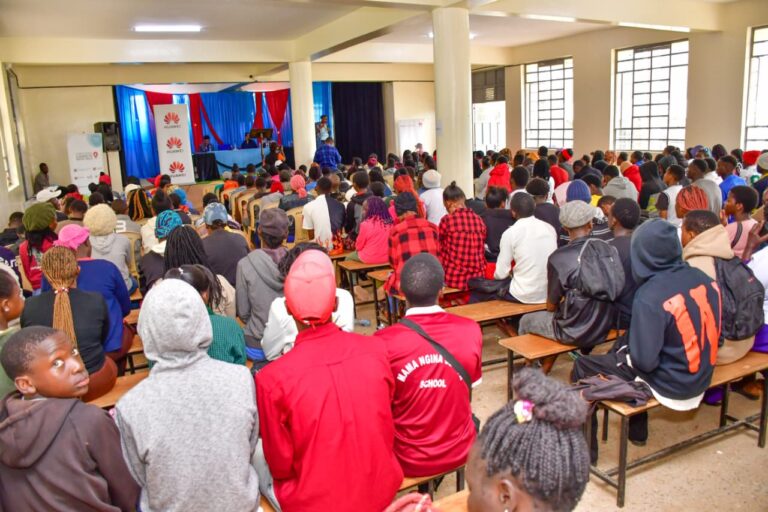
Two hundred and fifty young people in Dagoretti North have officially stepped into the digital economy after graduating from an intensive digital skills programme under the DigiTruck Digital Literacy Initiative, a community-based intervention aimed at boosting employability and innovation among youth.

The graduation ceremony, presided over by Hon. Beatrice Elachi, Member of Parliament for Dagoretti North, brought together community leaders and programme partners to celebrate the completion of hands-on training in basic ICT, online safety, and digital innovation.

“This graduation represents a shift from potential to possibility. Digital skills are now fundamental to accessing jobs, creating businesses, and participating in the global economy. Through the DigiTruck programme, our youth are gaining the tools and confidence they need to build sustainable livelihoods and uplift their communities,” said Hon. Elachi.

The DigiTruck programme, implemented by Huawei Technologies, is part of the company’s commitment to advancing digital inclusion. The initiative delivers training directly within communities, targeting form four leavers and young jobseekers who may otherwise lack access to digital learning opportunities.

Yuta Leng, Director of Public Affairs at Huawei Technologies Kenya, emphasized the programme’s focus on real-world outcomes:
“Digital inclusion must lead to tangible opportunities. By bringing skills training directly to communities, the DigiTruck enables young people to turn knowledge into opportunity and actively participate in Kenya’s digital transformation. This graduation demonstrates how partnerships can create lasting social and economic value.”

The DigiTruck, a solar-powered mobile classroom equipped with laptops, high-speed internet, and modern learning tools, continues to serve underserved communities across the country. Since its launch, the initiative has trained thousands of Kenyans, contributing to improved employability, entrepreneurship, and inclusive growth.

The programme aligns with national efforts to build a future-ready workforce and accelerate Kenya’s digital transformation agenda, empowering youth to participate fully in the global digital economy.


Coursera, Udemy in a $2.5B Merger to Accelerate AI Skills Training

0

Online learning platforms Coursera Inc. and Udemy Inc. said on Wednesday they will merge in an all-stock transaction valued at approximately $2.5 billion, aiming to create a global AI-powered workforce development platform.

Under the agreement, Udemy shareholders will receive 0.800 shares of Coursera for each Udemy share held, representing a 26% premium over the 30-day average closing prices before the announcement. Post-merger, Coursera shareholders are expected to own 59% of the combined company, with Udemy shareholders holding 41%, on a fully diluted basis.

The deal, unanimously approved by both companies’ boards, is expected to close in the second half of 2026, pending regulatory and shareholder approvals.

Coursera Chief Executive Greg Hart said the combination will strengthen the company’s ability to meet growing demand for AI and technology skills across industries.

“By combining Coursera’s university-backed credentials with Udemy’s marketplace of AI-enhanced learning tools, we will accelerate innovation and deliver expanded value to millions of learners worldwide,” Hart said.

Udemy CEO Hugo Sarrazin said the merger will expand global reach and enhance enterprise offerings, while unlocking cost efficiencies and long-term shareholder value.

The combined platform is expected to generate pro forma annual revenue exceeding $1.5 billion, with anticipated annual run-rate cost synergies of $115 million within 24 months. Coursera also plans a sizable share repurchase program following the transaction.

The merger unites Udemy’s dynamic marketplace of independent instructors with Coursera’s partnerships with top universities and industry leaders, creating a comprehensive ecosystem for short-term skills training, professional certifications, and academic learning.

Key shareholders, including Insight Venture Partners, New Enterprise Associates, and Coursera Board Chairman Andrew Ng, have committed to support the merger.

Analysts said the deal signals continued consolidation in the online education sector, which faces slowing consumer enrollment but growing enterprise demand for scalable workforce upskilling in artificial intelligence, data science, and software development.


Safaricom Honours Taxi-Hailing Drivers, Bodas During Shangwe @25 Celebrations

0

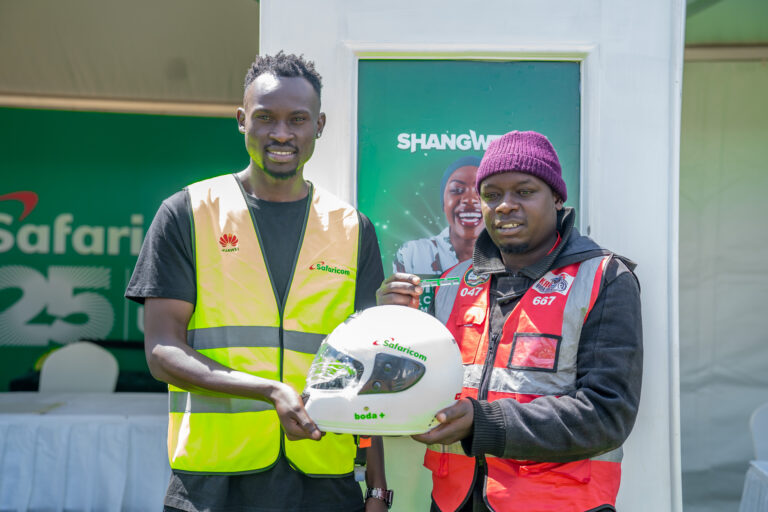
Safaricom, in partnership with taxi-hailing companies, has brought together taxi-hailing driver-partners and boda boda riders from across Kenya to empower the mobility workforce and helping them maximise their earnings.

The event formed part of the wider Shangwe @25 celebrations, marking Safaricom’s 25 years of impact and innovation.

The Drivers and Riders Festival attracted more than 200 participants, including taxi-hailing driver-partners, boda boda riders, ride-hailing companies, and industry stakeholders. Partners such as DTB Bank, Turaco, the National Transport and Safety Authority (NTSA), Centonomy, and Vivo Energy Kenya participated, offering health check-ups, vehicle diagnostic services, financial advisory sessions, and partner-led engagements tailored to the needs of mobility workers.

“Taxi-hailing driver-partners and riders form the backbone of Kenya’s mobility ecosystem, and their daily work keeps our cities moving,” said Fawzia Ali Kimanthi, Safaricom’s Chief Consumer Business Officer. “Through Bundle Ya Deree and Ofa Ya Boda, we are offering solutions that keep them connected, safeguard their well-being, and support their financial security. This festival is our way of deepening engagement with this important consumer segment.”

Safaricom highlighted Bundle Ya Deree, an integrated value proposition for taxi-hailing driver-partners offering plans ranging from a KES 500 weekly bundle to a KES 2,000 monthly bundle. The packages include data and voice minutes, subsidised insurance with inpatient cover of up to KES 30,000, funeral cover of KES 100,000, accident reimbursement of KES 15,000, as well as weekly fuel discounts of KES 2 per litre every Friday at Shell stations nationwide.

For boda boda riders, the company offers Ofa Ya Boda, with plans priced between KES 50 and KES 1,000. The bundles provide data, Kredo, free access to rider apps and Google Maps, alongside subsidised insurance options designed to meet the unique needs of motorcycle riders. Both propositions are designed to deliver affordability, reliability, and essential protection to people working within Kenya’s mobility ecosystem.

“As a taxi-hailing driver-partner, staying connected and protected is essential for our work,” said Raphael Masica, a Nairobi-based cab driver. “Bundle Ya Deree has made a real difference for me, especially the data and insurance support. Having Safaricom come to us, listen to us, and celebrate us through this festival shows they understand our daily challenges.”

The festival is designed to deepen awareness and drive adoption of Bundle Ya Deree and Ofa Ya Boda by addressing the everyday realities faced by taxi-hailing driver-partners and riders. Through direct engagement and practical support, the initiative reinforces Safaricom’s commitment to strengthening connectivity, safety, and financial well-being for Kenya’s mobility workforce while recognising their vital role in keeping the country moving.

Swedfund Invests $20 Million into Helios CLEAR Fund to Back Africa Climate Firms

0

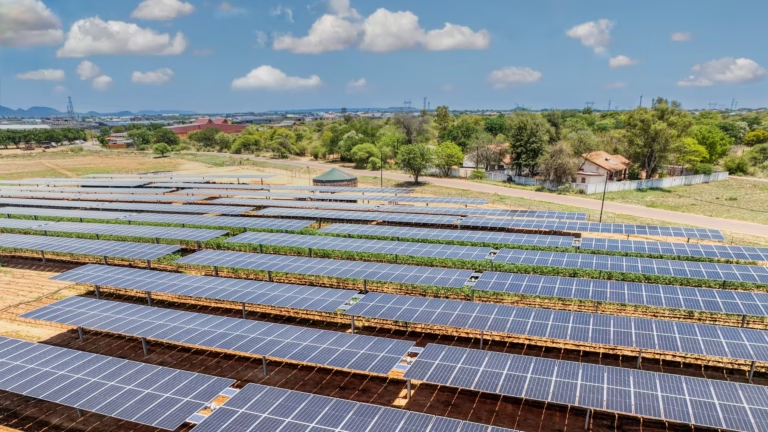
Sweden’s development finance institution Swedfund will invest $20 million in the Helios Climate, Energy, Adaptation and Resilience (CLEAR) Fund, aiming to support African companies working to curb emissions, strengthen climate resilience and create green jobs.

The Helios-managed fund targets investments in sectors including renewable energy, sustainable transport, climate-smart agriculture, resource efficiency and digital climate solutions, as Africa faces some of the world’s harshest climate impacts despite contributing less than 3% of global carbon emissions.

Africa’s energy demand is expected to triple by 2050, highlighting the need for capital to support low-carbon growth pathways on the continent, Swedfund said.

“By investing in this sector, we can reduce emissions, build resilience and create green jobs, all vital for sustainable growth that benefits more people,” said Gunilla Nilsson, Swedfund’s investment director for energy and climate.

She added that Africa currently receives only a small share of global climate investment despite significant potential for climate-smart businesses.

Swedfund said the investment is expected to contribute to substantial greenhouse gas emission reductions and help businesses and smallholder farmers adapt to climate change, strengthening its broader strategy to drive an inclusive green transition in Africa.

JUMO Secures $7.5 Million from BlueOrchard to Expand MSME Financing in Uganda

0

Pan-African fintech JUMO has received a $7.5 million investment from global impact investor BlueOrchard Finance Ltd to scale access to finance for micro, small, and medium enterprises (MSMEs) and boost job creation in Uganda.

The funds will be deployed through JUMO’s innovative asset-backed securitisation (ABS) financing structure, the first in Africa tailored specifically for e-money microfinance. The platform allows MSMEs and individuals to access credit directly via mobile phones, enabling business growth and employment in underserved communities.

“By blending financial innovation with deep social impact, we can reach thousands of underserved entrepreneurs and help catalyse economic resilience in Uganda and beyond,” said Jeanne de Guillebon, BlueOrchard’s Regional Manager for Africa.

Andrew Watkins-Ball, JUMO’s CEO, said the investment strengthens the ABS structure and demonstrates how fintech and impact investors can drive financial inclusion for first-time borrowers.

Launched in June 2024 with Standard Bank as the sole arranger and senior lender, the ABS structure unlocks local currency financing for JUMO’s Uganda portfolio. BlueOrchard’s participation is expected to mobilise additional capital and enable replication of the model across other Sub-Saharan African markets.

The initiative could benefit more than four million Ugandans, many accessing formal credit for the first time, providing a scalable blueprint for inclusive growth in the region.


Orange Money, Visa Expand Virtual Card Partnership to Boost Online Payments in Africa

0

Orange Money Group and Visa have expanded their partnership to accelerate online payments and broaden access to financial services across Africa and the Middle East.

The collaboration, already deployed successfully in Botswana, Madagascar, and Jordan, has recently launched a virtual Visa card in Côte d’Ivoire. The rollout highlights both companies’ shared vision of creating a more inclusive and accessible financial ecosystem.

The virtual card, accessible through the Max it app, allows Orange Money users to instantly create a card funded via their Orange Money accounts. This enables secure payments on local and international online platforms. Plans for a physical card at authorized Orange Money points of sale are expected in the future.

“Thanks to Orange Money, our 45 million customers can make everyday payments at millions of retail locations and online merchants in their countries,” said Thierry Millet, CEO of Orange Money Group. “Individuals and entrepreneurs alike can now create their virtual Visa card in seconds and make international online payments across the Visa network. This partnership is a first step in making Orange Money a widely accepted payment method—from major online platforms to local neighborhood merchants.”

Ismahill Diaby, Vice-President and General Manager for Western and Central Francophone & Lusophone Africa at Visa, said: “We’re excited to partner with Orange Money to bring the advantages of the digital economy to millions of people across Africa. By combining Visa’s trusted technology with Orange Money’s local reach, more people and small businesses can pay online confidently.”

Following the success in Côte d’Ivoire, the partnership is expected to expand gradually to Guinea, Burkina Faso, and the Democratic Republic of Congo. Orange Money, which serves over 173 million customers and maintains 45 million active accounts across 17 African countries, aims to leverage Visa’s technology to further drive financial inclusion and digital transformation across the continent.


Sitoyo Lopokoiyit: We Didn’t Know M-PESA Would Be This Successful

0

When Safaricom was incubating what would later become M-PESA, the idea of partnering with fuel stations seemed improbable until Sitoyo Lopokoiyit got the call. At the time, Sitoyo was Business Advisor and Merchandising Manager at Caltex, under Chevron Kenya Limited.

“A lady named Susie Lonie reached out to use Caltex service stations as cash-in cash-out points for M-PESA agents,” Sitoyo recalls. “They assumed we owned and ran the stations, but in reality, we franchised them to dealers. That conversation sparked the aggregator model that M-PESA now uses globally.”

It was 2005, two years before M-PESA’s official launch, and Sitoyo was among the first to interact with the service, testing it at Caltex stations in Nairobi. He remembers walking with Michael Joseph, then CEO of Safaricom, to a fuel station to observe the first live transaction, an unassuming moment that would later redefine financial services across Africa.

From Fuel Stations to Financial Inclusion

“I like to compare M-PESA to breathing,” Sitoyo says. “When it works, you don’t notice it; when it doesn’t, everyone sees it. If M-PESA goes down for five minutes, regulators, media, even the president must know.”

Sitoyo’s early involvement gave him a front row seat to the challenges and opportunities of financial technology in Kenya. “I first interacted with M-PESA a year and a half before launch,” he recalls. “The people behind it, Michael Joseph, Nick Hughes, Paulin Vau, Susie Lonie, they had passion, commitment, and a focus on financial inclusion. That DNA is still alive today.”

He remembers the first big decision: creating M-PESA for All, including a Braille enabled watch for visually impaired users. “In Kenya, six million people are visually impaired. They had been excluded from financial services for too long. That innovation changed lives.”

Similarly, the platform enabled elderly Kenyans to receive government disbursements directly on their phones, eliminating months of waiting and costly travel to collect payments. “Small steps, massive impact,” Sitoyo notes.

Scaling Lipa na M-PESA

One of the pivotal moments in M PESA’s growth was the repositioning of Lipa na M-PESA. Originally a limited, cumbersome product operating on a dongle in select stores, it was nearly retired in 2012. Sitoyo, along with colleagues Boniface and Betty Mangi, then GM of Financial Services, argued to integrate it into the next generation M PESA platform.

They set an ambitious target: 100,000 merchants in six months. The team achieved it in just four. “It set up Lipa na M-PESA to become what it is today, a platform powering payments for millions of businesses in Kenya,” Sitoyo says.

Other innovations under his leadership include Fuliza, a service enabling overdraft lending, and Pochi la Biashara, allowing small businesses to separate personal and business funds. Each started as a modest internal project and has since become a household name.

The M-Shwari Revolution

M-Shwari, the mobile lending product launched on January 5, 2019, stands as one of M-PESA’s most successful innovations. “We didn’t launch it as a commercial product initially. Within two days, we had four million customers; in ten days, KSh 6 billion in lending had been processed. It was unprecedented.”

The product’s rapid adoption highlights a core principle of Sitoyo’s approach: understanding the real life financial challenges of everyday people and creating solutions that fit seamlessly into their lives.

M PESA Today: Scale, Revenue, and Innovation

Today, M-PESA serves 34 million Kenyans, has lifted financial inclusion from 26.7 percent in 2006 to 83.7 percent of adults, and generated KSh 161 billion, 1.25 billion dollars in revenue in the year to March 2025. It accounts for a significant portion of Safaricom’s total revenue of KSh 388 billion.

Safaricom is now overhauling the M-PESA platform in its largest upgrade in a decade. The Fintech 2.0 core is cloud native, AI powered, and designed to process up to 12,000 transactions per second, up from 4,500 today. The system includes real time fraud detection and self healing tools, improving uptime and enabling faster product rollout.

“This upgrade is a bold investment in the future of M-PESA,” Safaricom CEO Peter Ndegwa said. “The platform not only scales to meet today’s demands but also anticipates tomorrow’s opportunities.”

Going Beyond Kenya

While M-PESA’s success is often associated with Kenya, its impact spans the continent. Over 60 million customers and 5 million businesses across eight African countries now use M PESA monthly, transacting over a million dollars daily.

Not every expansion was smooth. M PESA struggled in India, Romania, and South Africa, eventually pulling out. But markets like Tanzania, Mozambique, DRC, and Ethiopia exceeded expectations, sometimes even outpacing Kenya in adoption and innovation.

Regulators have also played a key role. Sitoyo praises the Central Bank of Kenya and governors like Dr. Patrick Jog for creating an environment where fintech innovation can flourish. “Dr. Jog was a governor by day, fintech enthusiast by night,” he recalls, highlighting the importance of supportive leadership in scaling disruptive financial solutions.

Financial and Social Impact

Globally, over 200 countries have adopted mobile money, drawing inspiration from Kenya’s pioneering platform. Yet for Sitoyo, the real measure of success is human impact. From visually impaired users accessing money independently to elderly citizens receiving government payments digitally, M PESA has transformed the way ordinary people interact with financial services.

Looking Forward

Today, Sitoyo leads M-PESA Africa, coordinating product development, synchronizing operations across markets, and fostering innovation. Reflecting on the journey, he admits with a hint of awe: “We honestly didn’t know M PESA would become this successful. From a simple conversation at a fuel station to a pan African digital payments powerhouse, it has surpassed every expectation. And we’re just getting started.”


Kenya Signs $311M PPP Deal to Upgrade Power Transmission Grid

0

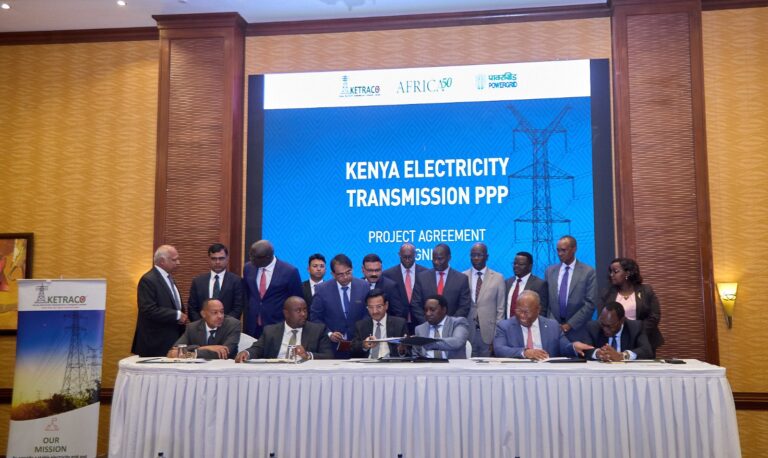
Kenya has signed a 40.4 billion shilling ($311 million) public-private partnership (PPP) agreement to expand and strengthen its electricity transmission network, the government said on Tuesday.

The agreement was signed by state-owned Kenya Electricity Transmission Company (KETRACO), infrastructure investor Africa50, and India’s PowerGrid Corporation. Under the deal, the private partners will finance, build, operate and maintain two high-voltage transmission lines and related substations.

Treasury officials said the project would improve grid reliability, reduce technical losses and load shedding, and support the integration of renewable energy into the national system.

“This investment strengthens the transmission backbone required for economic growth and reliable power supply,” Treasury Cabinet Secretary John Mbadi said in remarks delivered at the signing ceremony.

The project includes a 400-kilovolt Lessos–Loosuk line in the Rift Valley and a 220-kilovolt Kibos–Kakamega–Musaga line serving western Kenya. It is expected to enable the integration of about 300 megawatts of geothermal power and improve electricity supply across the North Rift and Western regions.

Kenya is using public-private partnerships to accelerate infrastructure development while limiting pressure on public finances, as demand for power rises alongside industrial and commercial growth.

The project will also include compensation for affected communities and measures to support local contractors and skills transfer, officials said.

How to Pick the Best Online Casino for Crypto Players

0

Finding the best online casino for crypto play starts with knowing what separates a good platform from a risky one. Digital coins such as Bitcoin and Ethereum make deposits and withdrawals faster, but smart players also look for strong security, fair games, and transparent terms. The best crypto casino matches fast crypto payments with trustworthy licensing, fair gameplay, and clear bonus conditions.

Many casinos now accept cryptocurrency, yet not all of them offer the same level of privacy or quality. Some sites use blockchain to prove game fairness, while others hide behind unclear policies or ask for unnecessary personal details. Understanding how these differences affect safety and gameplay can help anyone avoid common problems before making a deposit.

Choosing the right platform goes beyond flashy promotions or high payout claims. The next few sections explain what to check in a casino’s license, game variety, and rewards before signing up. This approach helps players find platforms that treat them fairly and deliver the smooth experience that crypto gambling promises.

Key Factors to Consider When Choosing a Crypto Online Casino

Selecting the right platform depends on which coins it accepts, how it handles payments, the quality of its games, and the level of privacy it offers. Players should pay close attention to payout speed, bonuses, and data protection before depositing any funds.

Accepted Cryptocurrencies and Payment Methods

A secure and flexible payment system matters most in any secure crypto casino, enabling fast, safe, and convenient transactions for every player. A strong platform accepts multiple assets beyond Bitcoin or Ethereum, such as Tether, Litecoin, or Dogecoin. Broader coin support lets players move funds faster and avoid high network fees during busy periods.

Instant deposits and withdrawals without waiting times show that the casino’s systems run smoothly. Platforms that support direct wallet transfers or on-chain confirmation are usually safer and more transparent. Players should also check for clear limits, transaction speed, and whether stablecoins like USDT or USDC are available for those who want to reduce price swings.

Casinos with transparent transaction policies and visible wallet tracking give players better trust. A mix of low fees, instant payouts, and multiple coin options often separates great sites from the rest.

Game Selection and Software Providers

Variety in gameplay can make the difference between a short visit and long-term enjoyment. A high-quality crypto casino should feature thousands of titles across Slots, Live Casino, and table games such as Blackjack, Roulette, and Baccarat. Players benefit when a site also adds unique Originals or Game Shows alongside traditional games.

The software providers behind those games deserve equal attention. Trusted developers like Pragmatic Play, NetEnt, and Evolution Gaming keep their titles tested and certified for fairness. Their presence often signals that a site uses licensed and secure technology.

Ease of navigation also matters. A casino with clear filters for New Releases, Trending, or Live options helps players locate what they want fast. Smooth performance on desktop and mobile can further show strong backend systems and a focus on user experience.

Bonuses and Promotional Offers

Bonuses can boost the first deposit or reward loyalty. Fair rewards usually include Free Spins, cashback, and VIP levels that unlock better deals over time. Good sites avoid heavy wagering rules and keep withdrawal terms easy to follow.

Players should focus on consistent perks rather than one-time offers. Level-based or point-based programs that increase rewards with each bet often appeal to frequent players.

Some platforms provide personal VIP support or daily rebates, improving engagement for high-volume players. The key is transparency; bonus terms must be available in plain language so players always know how and when to claim their benefits.

Privacy, Security, and Anonymity

Data protection plays a large role in choosing a crypto gambling site. Strong casinos protect funds with SSL encryption, two-factor login, and optional wallet verification. Dependable platforms keep personal details minimal and rarely ask for traditional ID unless legally required.

Anonymous play appeals to many crypto users, but not every casino presents it for large withdrawals. Players should review each site’s Terms for identity checks and withdrawal limits.

Licensed casinos typically provide more stable environments, though the license location affects privacy rules. A casino operating with modern blockchain tracking and clear policies can provide peace of mind. In this type of environment, users gain faster payments, stronger protection of assets, and confidence that fairness and security remain a priority.

Game Variety, Bonuses, and Player Rewards

Crypto casinos attract players with diverse games, fair payouts, and fair reward systems. Players look for large game libraries, appealing bonuses, and dependable withdrawal times that make digital gambling straightforward and worthwhile.

Types of Casino Games and Providers

Online casinos serving crypto players usually include a large mix of slots, table games, and live dealer options. Popular titles include crypto slots, video slots, and classic slot games with features like multipliers and bonus rounds. Many sites also list crash games and other fast-paced formats that appeal to crypto users who prefer quick results.

Players often prefer live casino games such as live roulette, live blackjack, and live baccarat because they include real dealers and interactive gameplay. Well-known studios like Evolution, Pragmatic Play, BGaming, and Hacksaw Gaming frequently power these games. Some crypto-focused casinos include provably fair games, making every round verifiable through blockchain technology.

A few popular brands create their own titles, often called “originals,” to give users exclusive experiences that cannot be found anywhere else. The best gaming selections balance variety with fair odds, modern graphics, and strong mobile compatibility.

Casino Bonuses and VIP Programs

Bonuses help new players start and give returning users reasons to stay active. Common offers include welcome bonuses with deposit match bonuses, no deposit bonuses, and free spins. A welcome package often doubles a player’s first deposit or adds free play credits tied to wagering requirements.

Most crypto casinos also provide reload bonuses for users who add more funds later. Ongoing promotions sometimes appear as weekly or monthly rewards tied to specific games such as slots or live casino rounds.

Loyal players may access structured VIP programs or loyalty tiers. These may include VIP cashback, rakeback, or exclusive free spin deals. Higher levels often unlock faster support responses or improved withdrawal terms. A transparent program with fair reward tracking adds lasting value without relying on unrealistic offers.

Payouts, Cashback, and Withdrawal Speed

Fast, reliable payouts define player trust. Top crypto casinos process withdrawals in minutes rather than days, especially for coins supported by high-speed networks. Some, like high-ranking industry platforms, use networks similar to the Lightning Network to send Bitcoin instantly.

Cashback offers help reduce loss impact by returning a small percentage of net losses, often issued weekly. Many platforms provide weekly cashback between 5% and 20%, depending on recent activity or VIP rank.

Transparent payout limits, low transaction fees, and no hidden restrictions give players confidence in the site’s fairness. A casino that consistently honors withdrawals and publishes processing times clearly usually gains stronger community trust and repeat players.

Conclusion

Choosing the best online casino for crypto play requires attention to a few simple but important details. Players should focus on security measures, fairness of games, and payment speed before creating an account. A trusted platform will clearly state its license, offer clear terms, and process withdrawals within minutes.

It also helps to check how a casino handles transparency and customer support. A verified “provably fair” system and responsive help team give players peace of mind that games are not manipulated. In addition, clear bonus information helps avoid confusion about wagering limits or payout rules.

Each player’s needs differ, so the right choice depends on personal priorities. Those who value privacy may prefer a site with no identity checks, while others may want more traditional verification for added safety. By comparing features, reading feedback, and testing small deposits first, players can find a fair and efficient place to play.


 

How to Pay for Showmax Using Airtel Money in Kenya (Step-by-Step Guide)

0

Airtel Money has integrated with Showmax, allowing users in Kenya to pay for Showmax subscriptions directly from their Airtel Money wallets. The new payment option makes it easier to subscribe, renew or activate Showmax packages without using cards or bank accounts.

These allows users to sign up, renew or activate Showmax subscriptions instantly, offering a convenient payment option as demand for digital entertainment rises during the festive season.

Airtel Money said the move aligns with its strategy to simplify digital lifestyles while expanding payment options across entertainment, e-commerce and everyday transactions.

Nzola Miranda, managing director of MultiChoice Kenya, said the integration removes payment barriers for subscribers and improves access to both local and international content.

“We are making it easier for customers to pay for their favourite entertainment and enjoy Showmax Entertainment, Showmax Entertainment Mobile and Showmax Premier League Mobile,” he said.

This guide explains how to pay for Showmax using Airtel Money in Kenya, step by step.

What You Need to Pay for Showmax Using Airtel Money

Before you begin, ensure you have:

  • An active Airtel SIM card
  • An Airtel Money wallet with sufficient balance
  • A Showmax account
  • Internet access via phone or computer

Step-by-Step: How to Pay for Showmax Using Airtel Money

Step 1: Visit the Showmax Website

Go to the official Showmax website and click Sign Up or Log In if you already have an account.

Step 2: Choose a Showmax Subscription Plan

Select your preferred package:

  • Showmax Entertainment
  • Showmax Entertainment Mobile
  • Showmax Premier League Mobile

Step 3: Select Airtel Money as the Payment Option

On the checkout page, choose Airtel Money from the available payment methods.

Step 4: Enter Your Airtel Mobile Number

Input the Airtel number linked to your Airtel Money wallet.

Step 5: Approve the Payment

You will receive a payment prompt. Enter your Airtel Money PIN to complete the transaction.

Step 6: Start Streaming

Once payment is successful, your Showmax subscription will be activated instantly.

Why Use Airtel Money to Pay for Showmax in Kenya?

Using Airtel Money for Showmax payments offers several benefits:

  • No debit or credit card required
  • Instant subscription activation
  • Secure PIN-protected transactions
  • Convenient mobile-first payment experience

Showmax Packages Available on Airtel Money

Airtel Money users can pay for:

  • Showmax Entertainment
  • Showmax Entertainment Mobile
  • Showmax Premier League Mobile

All payments are processed directly through the Airtel Money wallet.

Ideal for the Festive Season

The Airtel Money–Showmax integration comes at a time when demand for digital entertainment is high, making it easier for Kenyan households to access local and international content seamlessly.

Frequently Asked Questions (FAQs)

Can I renew my Showmax subscription using Airtel Money?

Yes. Existing Showmax users can renew their subscriptions using Airtel Money by selecting it as the payment option during checkout.

Is Airtel Money payment for Showmax instant?

Yes. Once you approve the payment using your Airtel Money PIN, the subscription is activated immediately.

Can I pay for Showmax Premier League Mobile using Airtel Money?

Yes. Airtel Money supports payments for all Showmax packages, including Premier League Mobile.

Airtel Africa to Roll Out Starlink Satellite-to-Cell Service Across Continent

0

Airtel Africa has struck a deal with SpaceX to provide Starlink Direct-to-Cell satellite connectivity across its 14 African markets, potentially reaching 174 million customers, Business Tech Kenya reports.

The service, the first of its kind in Africa, will allow customers with compatible smartphones to access mobile network services in areas without terrestrial coverage. It is set to launch in 2026, initially supporting text messaging and limited data for select applications.

The agreement also covers Starlink’s next-generation broadband Direct-to-Cell system, which promises data speeds up to 20 times faster than current satellite solutions. Deployment will depend on country-specific regulatory approvals.

Airtel Africa’s Chief Executive Sunil Taldar said the service would complement existing terrestrial networks and extend connectivity to regions where traditional infrastructure is difficult to deploy.

“For the first time, people across Africa will stay connected in remote areas where terrestrial coverage cannot reach,” said Stephanie Bednarek, Starlink’s Vice President of Sales. “This collaboration will also bring high-speed broadband connectivity to underserved communities.”

Airtel Africa said it plans to explore further opportunities with Starlink to expand digital inclusion across the continent.

NSE, NCBA Investment Bank, and Abojani Empower the Next Generation of Investors

0

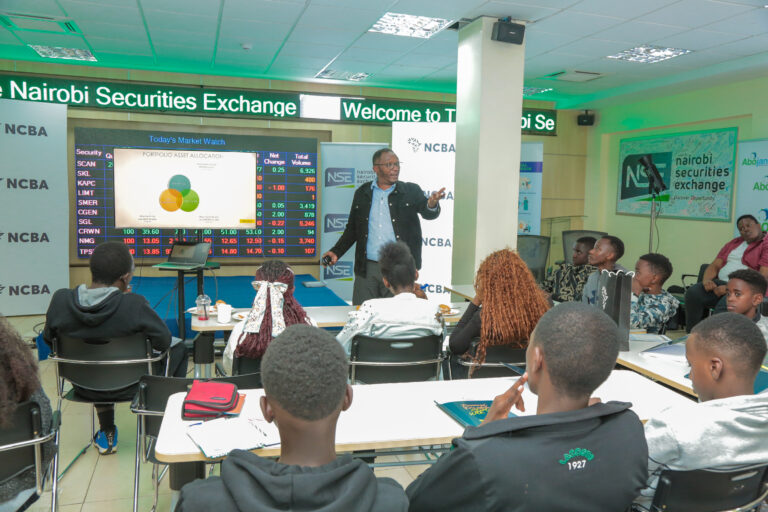
The Nairobi Securities Exchange (NSE), Abojani Investment, and NCBA Investment Bank recently hosted a high-impact Teen Financial Literacy and Early Investor Empowerment Workshop aimed at fostering a culture of early investment and addressing the critical need for youth financial literacy.

The workshop brought together aspiring young investors aged 12–17 and gave them insights to help them manage and grow their wealth, ensuring they transition from working for money to creating an investment portfolio where money works for.

Financial principles such as budgeting and learning how to create disposable income by managing money properly were addressed.

NCBA’s Samuel Gichohi, Head of Business Development, noted, “The average age of investors currently engaging with the Nairobi Securities Exchange is between 40 and 50 years old. This generational gap means that if younger investors are not introduced to the market, the current system may face future significant challenges.”

Other key concepts taught included the 50/30/20 Rule where students learned how to budget their income by dedicating 50% to needs, 30% to wants, and 20% to investment, Emergency Fund Basics where teens were instructed on the importance of setting aside a fund for tough times and emergencies; Investment Fundamentals such as interests, dividends etc and Junior CDS Account as accessible tools.

Nancy Nasimiyu from Abojani commented, “Youth entering the job market are often ‘a bit blank’ regarding money matters. We aim to show the younger generations the path to potentially becoming economically secure by the age of 18, simply by exploring budgeting, saving, smart spending and the basics of investing in the stock exchange”

The workshop offered a hands-on experience by taking teens to the NSE, allowing them to observe live trading and understand how their consumption contributes to shareholder wealth.  NCBA Investment Bank, a participating partner, utilised the platform to reinforce its commitment to shaping the next generation of financially confident young investors. The bank is focused on showcasing its role in early financial empowerment and driving awareness of NCBA-led investment pathways, such as Junior CDS Accounts, which serve as accessible tools for young investors to start building wealth early with professional guidance.


Crypto Sports Betting: Best Sites for 2025

0

Sports betting just got faster, safer, and way more private. Crypto sports betting has exploded as bettors discover instant deposits, anonymous play, and fatter bonuses than traditional sites offer. The global crypto gambling market hit over $300 million in 2025, jumping 20% from last year. Why the spike? Bettors want no chargebacks, lower fees, and lightning-quick payouts. Finding legit platforms with clear licensing, fair wagering terms, and solid KYC policies can be tricky, though. This guide covers four trusted crypto sportsbooks across major sports, esports, and live betting. Each accepts Bitcoin, Ethereum, USDT, and more. Let’s break down the best options for placing crypto bets in 2025.

How to Select Top Crypto Sports Betting Providers

We reviewed crypto sports betting platforms operating in November 2025. Here’s what separated the winners from the rest:

  • Licensing & Regulation: Active gaming licenses from Curaçao, Anjouan, Costa Rica, or Panama
  • Cryptocurrency Support: Accepts BTC, ETH, USDT, LTC with instant transactions
  • Sports Coverage: Wide sports and esports markets, competitive odds
  • Bonus Offerings: Welcome bonuses, reload bonuses, rakeback, VIP rewards
  • Payout Speed: Withdrawals processed within 24 hours

List of the Best Crypto Sports Betting Providers

After testing dozens of platforms, here are the top four crypto sports betting sites for 2025:

  1. JB Casino
  2. BiggerZ
  3. BC.Game
  4. Crypto.Games

Best Crypto Sports Betting Providers

1.    JB Casino

  • Founded: September 2025
  • License: Curaçao Gaming Authority (OGL/2024/1519/0809)
  • Games: 10,000+ casino games from 79+ providers
  • Sports Coverage: 40+ sports with 15 esports options
  • Welcome Bonus: 100% sports deposit bonus up to $500 with 20x wagering

JB casino launched in September 2025 as BC.Game’s sister platform. The site goes hard on esports (Starcraft, Rocket League, King of Glory, Valorant, Dota 2) while covering traditional sports too. What sets JB apart? That 20x wagering requirement is rare for crypto sportsbooks; most sit closer to 40x. You’ll also find BCD token rewards, a flexible bet builder, and a $1,000 flat fee referral program. The Crypto Gambling Foundation and iTech Labs verify provably fair play. JB accepts 80+ cryptocurrencies with instant deposits and withdrawals. Odds match BC.Game’s competitive lines. Best for esports fans and early adopters who want low wagering rules and solid referral cash. Standout feature: Lowest wagering requirement (20x) in crypto sports betting, plus serious esports depth.

Standout Feature: The 20x wagering requirement beats every competitor, and the esports coverage rivals dedicated esports betting sites.

2.    BiggerZ

  • Founded: August 2025
  • License: Autonomous Island of Anjouan
  • Games: 5,000+ casino games from 50+ providers
  • Sports Coverage: 30+ sports including football, basketball, esports
  • Welcome Bonus: 100% sports welcome bonus up to 500 USDT

BiggerZ rolled out in August 2025 as a fresh crypto casino and sportsbook combo. The platform offers pre-match and live betting markets, plus virtual sports like horse racing, greyhound racing, and football. Crypto deposits and withdrawals hit your account instantly (BTC, ETH, USDT, LTC, DOGE, SOL, ADA, BNB, TRX, USDC, XRP). A built-in statistics center helps you make smarter betting decisions. Live chat support runs 24/7. The VIP club dishes out weekly rewards, level-up perks, and dedicated hosts for high rollers. Zero caps on deposits or withdrawals. The dark theme interface keeps things smooth and easy to navigate. Best for bettors who want instant crypto payouts, strong VIP treatment, and a modern design. Standout feature: Instant withdrawals with no limits, plus a complete VIP program for heavy bettors.

Standout Feature: Instant crypto withdrawals with no maximum limits plus a comprehensive VIP program for regular bettors.

3.    BC.Game

  • Founded: 2017
  • License: Government of Autonomous Island of Anjouan (ALSI-202410011-FI1)
  • Games: 10,000+ casino games from 77 providers (Evolution Gaming, Hacksaw Gaming, NetEnt)
  • Sports Coverage: 45 sports markets, 6,000+ live events monthly
  • Welcome Bonus: 180% first deposit bonus up to $20,000 (300% if deposited within 7 minutes)

BC.Game started in 2017 as one of the original crypto betting pioneers. By March 2025, the site had 9+ million registered users. The platform supports 80+ cryptocurrencies, more than any competitor, plus live streaming for esports. Provably fair games give you transparent odds. The 69-level VIP program offers instant rakeback with no wagering requirements. You’ll get 10% weekly rakeback and daily task rewards. A cash-out button lets you hedge bets mid-game. Mobile apps work on iOS and Android. Community features include chat rain rewards and the Coco spider hunt every 6 hours. BC.Game took home “Best Crypto Casino” at the 2024 SiGMA Global Gaming Awards. Best for high-volume crypto bettors who want the widest crypto selection, serious VIP perks, and an established platform. Standout feature: Accepts 80+ cryptocurrencies with a 69-level VIP program offering up to 30% instant rakeback.

Standout Feature: 80+ cryptocurrency options and a 69-level VIP program offering instant rakeback up to 30%.

4.    Crypto.Games

  • Founded: 2023
  • License: Costa Rica Gaming Authority
  • Games: 4,000+ casino games from 65 providers (Pragmatic Play, NetEnt, Play’n GO, Big Time Gaming)
  • Sports Coverage: 19 sports + 11 esports markets (30+ total options)
  • Welcome Bonus: 200% welcome package up to 20,000 USDT across first 3 deposits

Crypto.Games launched in 2023 as a crypto-only platform by Blockchain Entertainment S.R.L. The combined casino and sportsbook focuses on major sports like Premier League, NBA, UEFA Champions League, ATP/WTA Tennis, and UFC. You’ll get 10% weekly rakeback with zero wagering requirements. Wagering requirements drop across deposits (40x, 35x, 25x). The referral program pays 25% revenue share plus 1% of referral deposits. SpaceSatoshi VIP program unlocks tiered rewards. The site accepts 10 cryptocurrencies including BTC, ETH, USDT, DOGE, TRX, and XRP. Average withdrawals process in 15 minutes. Minimum deposit is just $1, minimum withdrawal is $50. Best for players who want generous multi-deposit bonuses, weekly rakeback, and a casino/sportsbook combo. Standout feature: Highest total welcome bonus (up to $20,000) with declining wagering requirements plus automatic 10% weekly rakeback.

Standout Feature: Highest total welcome bonus (up to $20,000) with declining wagering requirements and automatic 10% weekly rakeback.

Factors to Consider When Choosing a Crypto Sports Betting Provider

Licensing and Security

Check for licenses from recognized authorities like Curaçao, Anjouan, or Costa Rica. SSL encryption, two-factor authentication, and provably fair verification protect your bets. Third-party audits from iTech Labs, eCOGRA, or Crypto Gambling Foundation add trust.

Cryptocurrency Options and Transaction Speed

Top platforms accept 10+ cryptocurrencies (BTC, ETH, USDT, LTC, DOGE). Deposits should post instantly. Withdrawals should clear within 24 hours. Watch transaction fees and minimum withdrawal amounts before depositing.

Sports and Betting Markets

Look for complete coverage of major sports like the NFL, the NBA, soccer, and tennis. Growing esports markets matter too. Live betting with cash-out features and competitive odds are must-haves. Bet builders and same-game parlays add flexibility.

Bonus Structure and Wagering Requirements

Welcome bonuses typically match 100-200% of deposits. Focus on wagering requirements (20x-40x is standard). Lower wagering means more player-friendly terms. Reload bonuses, rakeback programs, and VIP rewards boost long-term value.

Geographic Restrictions and VPN Policy

Some crypto sportsbooks allow VPN use, while others block restricted regions. Check your jurisdiction’s legal status and platform policies before funding your account. Crypto doesn’t automatically mean legal everywhere your local laws.

Final Thoughts

Before depositing crypto, verify licensing credentials. Start small to test withdrawal speed. Compare wagering requirements across platforms; lower is better. VIP programs pay off for regular bettors with rakeback and exclusive perks. Crypto sports betting beats traditional sportsbooks on speed, privacy, and bonus size. Choose based on your priorities: esports coverage, cryptocurrency variety, bonus size, or payout speed. All four platforms here offer licensed, secure betting with fast crypto transactions. Pick the one that matches your betting style and enjoy instant deposits with no middlemen. Remember, crypto sports betting legality varies by jurisdiction, and players must be 18+ or 21+ depending on location. Play responsibly.


WIOCC Secures $65 Million to Expand Africa’s Digital Infrastructure

0

WIOCC Group, a African open-access digital infrastructure provider, said on Tuesday it had raised an additional $65 million in debt financing to expand its network and data centre footprint across the continent.

The facility, structured as sustainability-linked debt, was arranged by the International Finance Corporation (IFC), Proparco, Emerging Africa Infrastructure and Asia Infrastructure Fund (EAAIF), and asset manager Ninety-One.

WIOCC Chief Executive Chris Wood said the funding would strengthen the company’s ability to scale its hyperscale network and extend open-access digital infrastructure, supporting Africa’s growth and digital inclusion.

“Digital connectivity is key to economic growth across Africa. This financing enables us to build resilient networks and expand access to high-speed internet,” Wood said.

The company said the funds would be used to increase connectivity capacity, enhance data centre resilience, and further develop its pan-African digital ecosystem.

IFC’s Sarvesh Suri said the investment would help optimize WIOCC’s capital structure, mitigate currency risk, and accelerate deployment of open-access networks to drive economic growth and job creation.

Puleng Pitso of Ninety-One, the fund manager for EAAIF, highlighted that the investment would support small businesses, entrepreneurs, and industries participating in the digital economy.

Françoise Lombard, CEO of Proparco, noted that the financing would accelerate WIOCC’s expansion across terrestrial fibre, submarine cables, and open-access data centres, which carry a significant portion of Africa’s internet traffic.

Since its founding in 2008, WIOCC has invested over $750 million in digital infrastructure across Africa, linking open-access data centres and transforming connectivity across the continent.


Safaricom’s Green Bond Lists on the Nairobi Securities Exchange in $260m Deal

0

Safaricom’s green bond has listed on the Nairobi Securities Exchange, with individual investors dominating demand in a transaction that highlights how mobile money is reshaping access to capital markets in East Africa’s biggest economy.

Retail investors accounted for 96 per cent of the 2,453 applications, with 59 per cent submitted via USSD and paid for through the company’s M-PESA platform. Total applications reached KES41.4bn ($260m), prompting Safaricom to take up KES20bn ($125m) in the first tranche of its domestic medium-term note programme, an oversubscription of 175 per cent.

The listing, marked by a bell-ringing ceremony at the exchange, represents Safaricom’s first issuance under its medium-term note programme and a deliberate return to Kenya’s capital markets, anchored in its sustainable finance framework.

“This transaction demonstrates what is possible when local capital markets are deliberately and thoughtfully engaged,” said Dilip Pal, Safaricom’s chief finance officer, adding that it reflected confidence in the company’s strategy and the depth of Kenya’s capital markets.

Proceeds from the green bond will be used to finance projects supporting an energy-efficient digital transition, including 5G rollout, solarisation of network sites and the shift away from legacy technologies towards cleaner, more efficient solutions.

Beyond Safaricom, the deal underscores the growing role of sustainable finance in mobilising long-term domestic capital for development. The company said initiatives such as Ziidi, its mobile money market fund, have already lowered barriers to saving and investing, and it will continue to explore new ways to broaden participation in capital markets.

The green bond is now listed and trading on the Nairobi Securities Exchange.

Innovate Africa Fund Backs TNKR, Oikus and AddressMe

0

Innovate Africa Fund has invested in TNKR, Oikus and AddressMe, as its inaugural portfolio companies and early proof points for its founder-first, product-led investment model.

The fund, which launched in 2024 with a $2.5 million rollout, selected the three startups from a pipeline of more than 5,600 applicants across Africa, prioritising disciplined experimentation and rapid learning over high deal volume.

Two of the new investments, TNKR and Oikus, have already secured up to five times in follow-on angel funding within months of Innovate Africa Fund’s intervention, underscoring investor appetite for rigorously validated, idea-stage ventures.

TNKR entered the fund as a content platform before pivoting twice during structured product sprints. The startup is now building Leonardo, an AI-powered workshop assistant designed to address Africa’s hard-tech skills gap.

Oikus initially launched as a property marketplace, but fund-led research revealed that mistrust—not discovery—was the core challenge in Nigeria’s real estate sector. The company has since pivoted to building verification infrastructure and is preparing a Lagos pilot to test pricing and trust architecture at scale.

AddressMe joined the portfolio after winning World Product Day Lagos, Africa’s first edition of the global product leadership event, hosted by Innovate Africa Fund in partnership with the Innovate Africa Foundation.

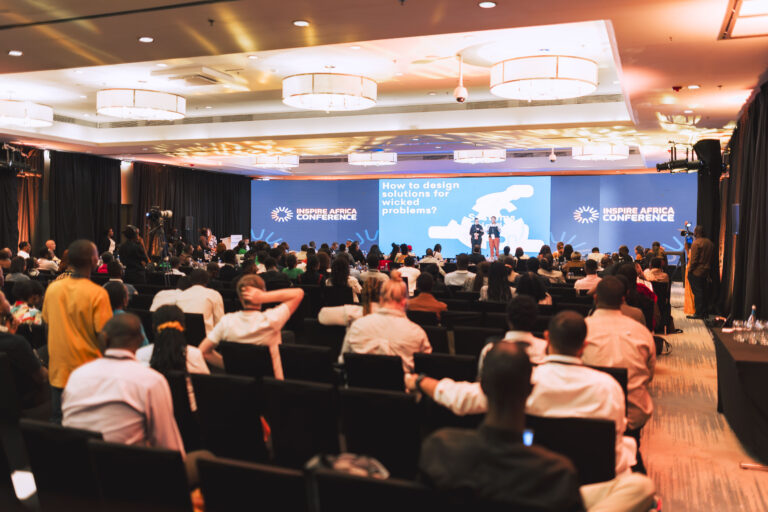
Founded to address the chronic lack of capital at idea stage, Innovate Africa Fund applies six selection criteria — character, credibility, capacity, courage, competence and context — and deploys capital alongside hands-on experimentation through its Wicked Innovation Labs.

“There is no shortage of ideas to solve Africa’s problems, but too few are tested rigorously before scale,” said Kristin Wilson, managing partner at Innovate Africa Fund.

Looking ahead, the fund plans to make up to eight additional early-stage investments, expand its presence in Kenya, Egypt and South Africa, and formalise Wicked Innovation Labs to extend its product leadership training beyond its portfolio.


Safaricom Business Names First Winners in Shangwe @25 Enterprise Promotion

0

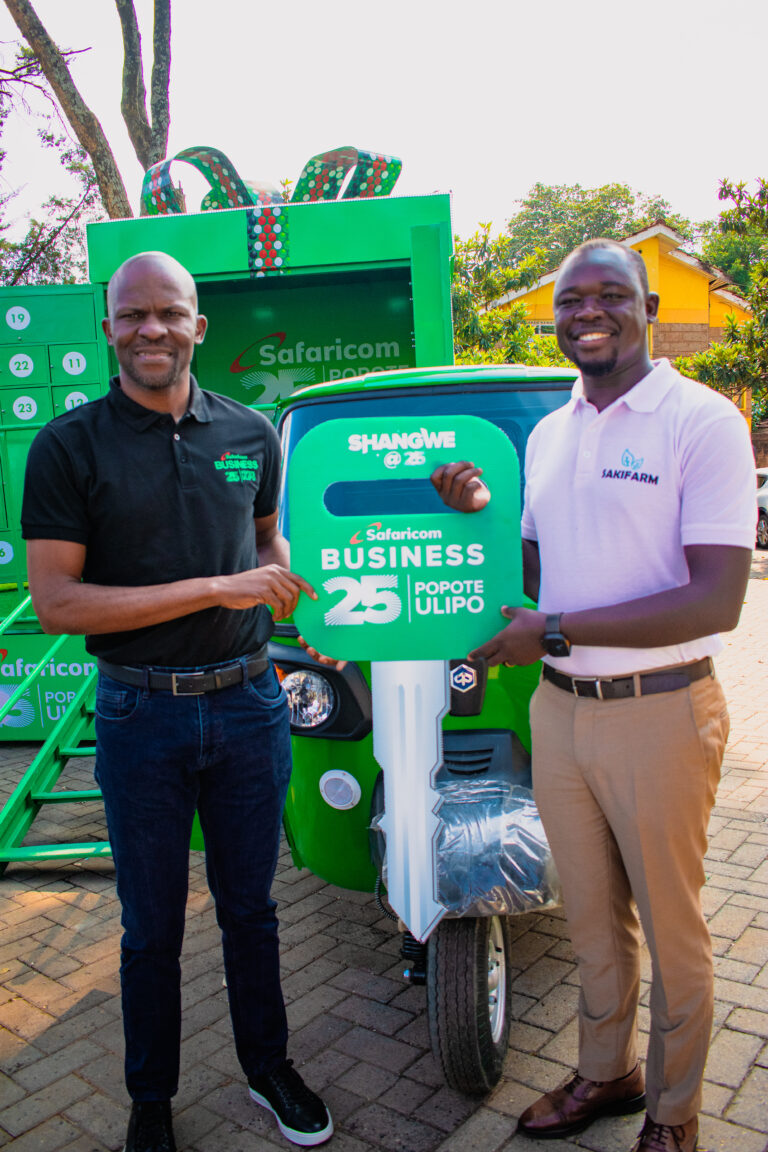
Safaricom Business, Safaricom’s enterprise unit, has announced the first winners in its nationwide Shangwe @25 promotion, rewarding micro, small, medium and large enterprises.

In the first draw, 10 MSMEs won Bajaj tricycles, nine businesses received KES250,000 worth of restock each, while six large enterprises were awarded KES500,000 each to fund corporate social responsibility projects.

“The Shangwe @25 promotion is our way of appreciating enterprise customers who continue to partner with us,” said Frankline Okata, Acting Chief Enterprise Business Officer at Safaricom. “We remain committed to providing practical solutions that help businesses grow.”

One of the winners, Sakifarm Ltd, said Safaricom Business solutions such as bulk SMS and M-PESA for Business have improved efficiency and strengthened engagement with farmers, while Moringa School said the CSR support would expand access to digital skills training for young people.

Enterprises qualify by buying, renewing or reactivating any Safaricom Business service, including voice, internet, cloud, IoT or M-PESA for Business. Winners will be announced weekly until January 19, 2026.


Leveraging Computer Vision for Real-Time Quality Control: Revolutionizing Manufacturing

0

In the world of manufacturing, ensuring product quality is paramount. Traditional methods of quality control, which often rely on human inspection or manual measurement, can be time-consuming, error-prone, and costly. However, thanks to advancements in artificial intelligence (AI) and machine learning (ML), the implementation of  computer vision for real time quality control has emerged as a game-changing solution. This technology not only enhances the precision of inspections but also accelerates the production process, ultimately driving efficiency and reducing operational costs.

What is Computer Vision and How Does it Work in Quality Control?

Computer vision is a field of AI that enables machines to interpret and analyze visual information from the world, similar to the way humans do. By using digital cameras, sensors, and advanced algorithms, computer vision systems can detect and evaluate various defects, patterns, and anomalies in products. In manufacturing, this technology is primarily used for visual inspections during production, helping businesses achieve faster and more accurate assessments of product quality. Read more about Computer Vision here https://svitla.com/blog/computer-vision-for-real-time-quality-control/

The process typically involves:

  • Data Acquisition: High-resolution cameras or specialized sensors capture detailed images of the product or material.
  • Preprocessing: The collected visual data is then preprocessed to remove noise, adjust lighting, or enhance features that are relevant to the quality check.
  • Analysis: Machine learning algorithms, often trained on large datasets, are used to identify defects or deviations from the desired product specifications.
  • Decision Making: The system either flags defects, marks the product as pass/fail, or triggers a notification to the relevant operators for further action.

Advantages of Computer Vision for Real-Time Quality Control

The real-time nature of computer vision significantly improves the speed and accuracy of inspections. Here are several benefits of incorporating this technology into your quality control processes:

  1. Increased Accuracy

Traditional quality control methods, such as manual inspections, can be subject to human error, fatigue, and inconsistency. Computer vision systems, on the other hand, can analyze thousands of images in a fraction of a second with consistent precision. This allows for early identification of even the smallest defects, reducing the chances of defective products reaching the market.

  1. Faster Throughput

Real-time quality control using computer vision systems can process products at the speed of the production line. Unlike manual inspection, which requires breaks and slows down the overall process, computer vision operates continuously, ensuring no bottlenecks. This leads to increased throughput, fewer production delays, and a more efficient manufacturing process.

  1. Reduced Costs

By automating the quality control process, manufacturers can reduce the need for manual labor, thereby cutting down on labor costs. Additionally, defects can be identified earlier in the production process, leading to fewer rejected products and waste. Over time, these cost-saving benefits add up and significantly improve the bottom line.

  1. Scalability

Computer vision systems are highly scalable, meaning they can be adapted to various production lines, even as manufacturing volumes increase. Whether a company is producing small batches or large-scale production runs, the system can adjust and handle the load, making it ideal for both high-volume and high-variability manufacturing environments.

  1. Continuous Monitoring and Data Insights

Computer vision systems not only perform quality inspections but can also generate valuable data on production processes. These insights can be used for predictive maintenance, process optimization, and identifying potential production issues before they escalate. This makes the system an essential tool for continuous improvement in manufacturing operations.

Applications in Manufacturing

Defect Detection

One of the most common uses of computer vision in quality control is defect detection. This involves scanning products for defects such as cracks, scratches, discolorations, or misalignments. Computer vision systems can compare the actual product against a reference model or predefined specifications to determine whether the product meets quality standards.

Packaging and Labeling Inspection

In industries like food and beverage, pharmaceuticals, and consumer electronics, packaging and labeling accuracy is crucial. Computer vision can ensure that products are correctly packaged and labeled according to regulatory and brand standards. It can check for missing labels, incorrect barcodes, or damaged packaging, preventing costly errors.

Assembly Verification

Computer vision can also be used for verifying whether parts of a product have been assembled correctly. For example, in electronics manufacturing, the system can inspect if components like chips, connectors, or screws are in the right position. This eliminates the possibility of assembling faulty products that could lead to operational issues or product recalls.

Challenges and Considerations

While computer vision for real-time quality control offers numerous benefits, there are a few challenges to consider:

  • High Initial Costs: Implementing computer vision systems can require a significant upfront investment in hardware (cameras, sensors) and software (machine learning models, algorithms). However, the long-term savings in terms of efficiency and quality improvements often outweigh these costs.
  • System Calibration and Maintenance: For accurate results, these systems need to be calibrated regularly to adapt to changes in lighting conditions, production speed, or material types. Ongoing maintenance and fine-tuning are necessary to ensure the system’s reliability.
  • Integration with Existing Systems: Integrating computer vision into an existing production line can be complex. However, with the right expertise and planning, these systems can be seamlessly incorporated into the workflow to enhance quality control processes.

Conclusion

Incorporating computer vision into real-time quality control is transforming how manufacturers approach product quality. With its ability to detect defects faster and more accurately than traditional methods, this technology offers significant benefits in terms of efficiency, cost savings, and scalability. As the technology continues to evolve, its applications in manufacturing will only expand, enabling even greater levels of automation and precision. By adopting computer vision for quality control, businesses can stay ahead of the competition and ensure that they consistently deliver top-quality products to the market.

This article includes more comprehensive details and addresses multiple aspects of the subject, such as advantages, applications, and challenges. It also incorporates better formatting and a stronger focus on user intent, SEO-friendly keywords, and readability. Would you like any adjustments or additions to this draft?


Kenyan Digital Creators Honoured at BAKE Awards 2025

0

Kenya’s top digital content creators were recognised at the BAKE Awards 2025 gala held on Dec. 13 at Baraza Media Lab, as the Bloggers Association of Kenya (BAKE) celebrated excellence in online storytelling under the theme “Reclaiming Our Digital Space.”

In a first for the awards, the Creator of the Year title was jointly awarded to The JoyRide Podcast and Sarah Njoroge, following a tie in the category. Njoroge also won Best Agricultural Creator.

Other winners included Tech Trends (Technology), Beyond the Trails Kenya (Environmental), Nairobi Lifestyle (New Creator), Daily Trends (Topical), Pepeta (Sports), Teacher Tabby Wothaya (Education), African Watch (Travel) and Mary M. Munene (Religious/Spirituality).

BAKE Chairman Kennedy Kachwanya said Kenyan digital content had reached new levels of quality, urging creators to innovate while upholding ethical standards and fighting misinformation.

The awards, which have evolved from blogging to include platforms such as YouTube, TikTok and podcasts, opened submissions on Sept. 10, with winners determined through public voting that closed on Dec. 11.

BAKE said preparations for the 2026 awards are already underway, with nominations opening in January and the gala planned for June.

Full list of BAKE Awards 2025 Winners

1. Technology Creator

2. Photography Creator

3. Creative Writing Creator

4. Business Creator

5. Food Creator

6. Environmental Creator

7. Fashion and Style Creator

8. Agricultural Creator

9. New Creator

10. Corporate Creator

11. Topical Creator

12. Sports Creator

13. Entertainment Creator

14. Education Creator

15. Travel Creator

16. Public Health Creator

17. County Creator

18. Religious or Spirituality Creator

19. Lifestyle Creator

20. Video Creator

21. Audio Creator

22. Social Issues and Active Citizenship Creator

23. Creator of the Year

Revibe Raises $17 Million to Expand its Refurbished-Electronics Marketplace

0

Revibe, the Dubai-based marketplace for refurbished electronics, has raised $17 million in a new funding round led by Partech, with participation from E& Capital, Burda Principal Investments, and EQNX, alongside existing investors.

The new funding will help Revibe continue improving its service and the quality of its devices while accelerating international expansion across the Gulf region and emerging markets.

Founded in 2022 by Hamza Iraqui and Abdessamad Ben Zakour, Revibe offers consumers a smarter and more sustainable way to buy electronics – combining strict quality controls, competitive prices, and a premium online experience.

Every device sold on Revibe undergoes a 50-point inspection process, comes with a 1-year warranty, and is backed by a customer-first service model that has earned the company thousands of positive reviews.

“This new funding is a strong signal of confidence in our mission and model,” said Revibe co-founders Abdessamad Ben Zakour and Hamza Iraqui. “We’re proving that refurbished doesn’t mean second-best – it means better value, verified quality, and a more responsible way to consume technology. With the support of our investors, we’ll continue expanding internationally and improving every part of the customer experience.”

“Revibe is building the leading refurbished electronics platform for emerging markets. With Egypt as its operational engine and Dubai as its strategic hub, the team’s data-driven execution, and clear vision set them apart. We’re proud to back them in shaping the future of sustainable tech across Africa, the Middle East, and beyond,” said Cyril Collon, General Partner at Partech.

Revibe has experienced exceptional growth over the past year, expanding its reach across the GCC and South Africa. The company’s commitment to quality and sustainability has positioned it at the forefront of the circular-tech movement, making refurbished devices a mainstream choice for consumers.

With this latest round, Revibe plans to continue improving its platform, enhancing product quality, and accelerating its international expansion. The company’s long-term goal: to make renewed electronics the default way people buy devices – affordable, reliable, and sustainable.

Business Partners Launches $4.8 Million Fund to Boost Women-owned SMEs in South Africa

0

Business Partners Limited has launched a 90 million rand ($4.8 million) Basadi-Women Growth Fund aimed at closing South Africa’s gender financing gap by expanding access to capital for women-owned small and medium-sized enterprises.

The fund targets women entrepreneurs operating formal SMEs who struggle to secure finance through traditional lending channels, at a time when women-owned businesses are exiting the market at a higher rate than new ventures are being created.

According to the 2024 GEM South Africa Special Report on Women’s Entrepreneurship, 21.5% of women entrepreneurs cite difficulty accessing finance as the main reason for business failure, compared with 17.2% of men. The report also shows that women entrepreneurs are significantly less likely to scale their businesses, with only 4.9% reaching 20 or more employees versus 11.8% of male-led enterprises.

Business Partners Limited said the new fund will provide tailored financing ranging from 250,000 rand to 5 million rand to support women-owned businesses with growth potential.

“South African women experience higher unemployment rates and lower education levels than men, and this inequality is mirrored in entrepreneurship,” said René Botha, regional investment manager at Business Partners Limited. Men own nearly twice as many established businesses as women, with ownership rates of 7.9% compared with 4.1%, she added.

The report identifies lack of profitability as the leading cause of business exits for both genders, but the impact is more severe for women, at 34.4% versus 21.5% for men. Family and personal responsibilities and limited access to finance rank among the most significant gender-specific barriers facing women entrepreneurs.

While men often exit businesses to pursue new opportunities or retire, women rarely do so, highlighting deeper sustainability challenges within female-led enterprises, the report found.

The Basadi-Women Growth Fund offers financing for working capital, equipment, property acquisition, acquisitions, replacement finance and franchise purchases. A key feature of the fund is its flexible repayment structure, which includes options for interest capitalisation or a repayment moratorium of up to six months.

Eligible businesses must be at least 50% women-owned and operated, structured as private companies or close corporations, and generate annual turnover below 20 million rand.

Beyond funding, Business Partners Limited said it will provide technical support, mentorship and access to business networks to help women entrepreneurs overcome structural barriers to growth.

“Women’s entrepreneurial success does not only benefit individuals – it drives job creation, community development and broader economic growth,” Botha said.

Applications for the fund are now open and can be submitted online through Business Partners Limited’s website.


Five35 Ventures Secures Anchor Investment from Mastercard Foundation Africa Growth Fund

0

Pan-African early-stage venture capital firm Five35 Ventures has secured an anchor investment from the Mastercard Foundation Africa Growth Fund, managed by development finance organisation MEDA, to scale investments in women-focused and female-founded startups across Africa.

The funding will support Five35’s expansion across East, West and Southern Africa and help close financing gaps from pre-seed through growth stages, the firm said. Five35 currently has a portfolio of 16 companies operating in sectors including fintech, agriculture, health, logistics and climate.

Founding partner Hema Vallabh said the firm remains focused on disciplined investing anchored on integrity, rigour and measurable impact as it deploys the new capital.

MEDA president and chief executive Dorothy Nyambi said the partnership demonstrates how catalytic capital, combined with strong governance, can shift outcomes for women entrepreneurs across the continent.

The investment aligns with the Mastercard Foundation’s broader push to grow gender-lens investing and expand dignified economic opportunities for women and young people in Africa, positioning Five35 Ventures for a new phase of regional expansion and impact-driven deployment.

Enterprise AI Firm Ageiro Raises $3 mln to Speed Up Software Development

0

Enterprise artificial intelligence company Ageiro has raised $3 million in funding to help organisations cut software development timelines from months to days by converting business intent directly into production-ready applications.

The Johannesburg-based firm is developing what it calls “humanity’s last app,” an agentic AI platform designed to translate high-level business goals into autonomous digital execution. The platform allows enterprises to rapidly launch new software capabilities, remove traditional development bottlenecks and scale AI-driven digital workforces while keeping humans in oversight roles.

Enterprises are under growing pressure from fragmented software tools, rising customer expectations and a global shortage of skilled technology workers. The World Economic Forum estimates that by 2030, Africa alone will require an additional 23 million STEM graduates to fill key roles, highlighting the widening talent gap facing organisations.

Ageiro aims to address these challenges by introducing an adaptive autonomous layer between software engineers and the enterprise, where AI agents build, evolve and maintain applications under governed human control.

“Ageiro is built for organisations that can no longer afford the cost, friction and slow pace of the conventional software development lifecycle,” said Paulo Matos, chief executive officer of Ageiro. “Our platform represents a fundamental shift in how enterprises build software, enabling applications to be created and evolved in days rather than months, while maintaining governance, transparency and accountability.”

The platform is designed for regulated, enterprise environments, with built-in auditability, compliance controls and decision oversight. Humans remain responsible for strategy, constraints and governance, while AI systems handle execution and continuous adaptation.

Ageiro said the funding will be used to strengthen its decision-intelligence models, compliance and risk frameworks, and system connectors to support autonomy in complex enterprise settings. The company will also expand its go-to-market operations through sales, partnerships and category-building initiatives.

Founded by a team of technologists, Ageiro positions its technology as a way for enterprises to accelerate product innovation while allowing engineering teams to focus on higher-value work such as security, architecture and intelligent design.

Visa Accelerator Backs 22 African Fintechs as Programme Valuation Hits $1.3 Billion

0

Visa has graduated 22 startups from 12 African countries from its fourth Africa Fintech Accelerator in Cape Town, lifting the programme’s total to 86 fintechs valued at about $1.3 billion.

The 22 startups received mentorship and technical support across product development, marketing, finance and sales, alongside access to Visa’s global partner and investor network during the three-month accelerator programme.

“Africa’s fintech landscape continues to expand at extraordinary speed, powered by founders solving real-world challenges,” said Chad Pollock, vice president and general manager for East Africa at Visa. “The startups in Cohort 4 capture the energy driving Africa’s digital commerce transformation.”

Visa said the 2025 cohort benefited from deeper collaboration with strategic corporate partners including Bank of Africa, Onafriq and First Bank of Nigeria Ltd, which contributed market expertise and operational support, opening avenues for potential commercial pilots, partnerships and investment.

Africa’s fintech sector remains the largest recipient of venture capital on the continent, driven by demand for digital payments, lending and financial inclusion tools. McKinsey estimates fintech revenues in Africa could reach $47 billion by 2028, up from about $10 billion in 2023, while the European Investment Bank estimates the number of active fintech companies nearly tripled between 2020 and early 2024.

Visa said it expects the accelerator programme to remain a key platform for identifying scalable fintech solutions and strengthening partnerships across Africa’s rapidly evolving financial ecosystem.

CEO Weekends: Sellah Bogonko on COP30: Africa Cannot Afford a Fragmented Approach to the Green Workforce Crisis

By Sellah Bogonko, Co-Founder and CEO, Jacobs Ladder Africa (JLA)

COP30 will be remembered less for what it achieved and more for what it avoided. The summit closed without a single new commitment to phase out fossil fuels, the very issue driving global heating. The BBC called it “one of the most divisive COPs in three decades,” and rightly so. Yet beneath the diplomatic failures lies a deeper structural flaw: global climate action remains profoundly misaligned with the human capacity required to implement it. Nowhere is this more evident than in Africa.

The world debates fossil-fuel timelines, adaptation finance, and trade barriers. But missing from every negotiation room was the most essential ingredient of all, the workforce responsible for translating climate ambition into real-world progress.

Africa enters the post-COP30 era with the world’s youngest population, expanding green industries, and some of the most acute climate vulnerabilities. Yet we lack the skilled, adequately financed human capital to deliver solutions at scale. This is not a mere policy gap. It is a systemic fault line. Unless addressed, Africa risks being sidelined in the global green transition.

While Belém was consumed by geopolitical deadlock, one critical question went unanswered: How do you transition an entire continent without investing in the hands, minds, and institutions that must carry that transition?

For years, climate finance to Africa has prioritised infrastructure, hardware, and institutions, but not people. Major renewable projects still rely on expatriate technical labour. This is not due to a lack of African talent, but rather weak systems that fail to connect local capability to opportunity. Without mandatory skills-transfer frameworks and deliberate local hiring policies, Africa will continue to host infrastructure it does not fully build, operate, or own.

This is why skilling alone is never enough. Climate action is a systems problem. Youth unemployment is a systems failure. Africa cannot solve one without solving the other.

In contrast to the stagnation at COP30, the 2025 G20 Summit in Johannesburg finally recognised what Africa has long argued: that skills, youth employment, and just transitions are foundational to climate progress. The G20 Declaration:

  • Affirms the centrality of skills development to green and digital transformation;
  • Commits to just transitions that create decent work;
  • Elevates youth empowerment as essential to sustainable growth;
  • Prioritises climate-resilient development for vulnerable regions;
  • And insists that climate finance must reach communities, not only institutions.

This was more than diplomatic language. It was global validation of Africa’s message: there is no green transition without investment in people. The continent now has a rare opportunity to convert international consensus into continental action.

A systems-thinking approach recognises that the green transition is an ecosystem requiring:

  • Education aligned with emerging green opportunities;
  • Finance that funds people, not just infrastructure;
  • Policy coherence across labour, energy, trade, youth, and environment ministries;
  • Private-sector demand linked to talent pipelines;
  • Data systems that map workforce needs in real time;
  • And a culture of innovation, excellence, and youth leadership.

COP30 unravelled partly because countries defended narrow interests. Africa cannot mirror that fragmentation internally. If our green economy remains siloed, with education in one corner, jobs in another, and climate finance elsewhere, we will continue producing unemployed graduates in economies full of unfilled green roles.

Africa’s young people are innovating, organising, and leading. Yet from COP30 halls to national employment systems, they remain structurally excluded from the real economy of climate action. They are the missing middle between ambition and implementation.

At the Second Africa Climate Summit, JLA called for allocating at least 10% of all climate finance to workforce and skills development. The G20 commitments reinforce and legitimise this demand. African governments can now embed workforce financing directly into climate budgets, Nationally Determined Contributions, and adaptation plans. Without skilled technicians, ecosystem-restoration practitioners, climate-finance analysts, and innovators, climate investments will fail to deliver outcomes.

Justice is only meaningful when people can take part in, and benefit from, the transitions reshaping their economies. Africa’s youth must be equipped and empowered to drive green industrialisation, not merely watch it happen around them.

COP30 exposed the limits of global consensus. The G20, however, offered convergence, a framework that unites climate, skills, youth, and development. Africa cannot wait for geopolitical perfection. We must build a homegrown transition anchored in workforce systems, visionary leadership, and integrated climate-employment strategies.

The green transition remains Africa’s greatest opportunity for job creation, innovation, and competitive advantage. But only if we invest in people with the seriousness we invest in infrastructure. Climate finance cannot continue to flow around young Africans. It must flow through their lives.

The world has signalled readiness. Africa must now respond, with coherence, foresight, and action.

Sun King Secures $40 Million from Lightrock to Fuel Solar Expansion

0

Sun King, the Nairobi-based off-grid solar energy provider, said on Friday it has raised $40 million in equity financing from London-based impact investor Lightrock to accelerate its expansion across Africa and Asia.

The funding will be used to scale distribution of decentralised solar power systems, broaden the company’s product pipeline and increase its physical presence, the company said. Sun King’s integrated model combines solar panels, energy-efficient appliances and flexible pay-as-you-go consumer financing.

Sun King, led by Chief Executive Officer T. Patrick Walsh, plans to grow its retail footprint from about 470 outlets today to roughly 1,650 by 2030, and double its field agent workforce to around 90,000 across Africa, the company said.

The company already serves tens of millions of customers in underserved markets, providing solar home systems and related products where conventional grid electricity is limited or unavailable.

“Lightrock brings a deep understanding of our customers’ needs and a clear commitment to expanding access to energy,” Walsh said in a statement. “This investment strengthens our ability to reach millions more people with affordable, reliable power.”

Lightrock did not immediately respond to a request for comment. The investment reflects growing international investor interest in renewable energy and decentralised power solutions in emerging markets.

Sun King’s pay-as-you-go financing model, which allows consumers to make small incremental payments for solar systems, has unlocked significant customer financing and supported its rapid growth across several African and Asian markets.

The company’s latest funding comes amid a broader push to increase clean energy access for the hundreds of millions of people who lack reliable electricity, particularly in sub-Saharan Africa.

Nigeria’s Gigmile Raises Funding from Yango Ventures for Taxi Financing

0

Gigmile, a Nigerian vehicle financing and financial services platform for gig workers has secured funding from Yango Group’s Yango Ventures to equip gig workers with access to vehicle financing, software tools, and operational support.

The funding will support Gigmile’s regional expansion and help improve delivery efficiency and financial inclusion across the continent.

“Gigmile is working on a problem we understand deeply: how to build delivery systems that work for businesses and for the couriers who keep them running. Our experience in urban logistics gives us a strong foundation to help them scale responsibly and efficiently. We’re proud to support a team that shares our commitment to building practical, tech-enabled infrastructure across Africa.” said Daniil Shuleyko, CEO of Yango Group.

Yango Ventures focuses on early-stage startups from Seed to Series B in sectors such as O2O (Online-to-Offline), B2B SaaS, and FinTech. With an initial $20 million fund and plans for scalable growth, the corporate venture arm continues to expand its portfolio with companies building transformative, tech-driven solutions in high-growth regions across Africa, MENAP, LATAM, and beyond.

Gigmile is addressing one of the continent’s most dynamic and fast-growing sectors: last-mile delivery. By combining technology, flexible financing models, and data-driven workforce management, the company empowers gig couriers with the tools they need to operate efficiently and earn sustainably.

Yango Ventures’ investment will fuel product development, strengthen operational capabilities, and accelerate Gigmile’s expansion across multiple African markets.

NCBA, HEVA Fund to Roll Out Financial Products for Creatives in Kenya

0

Kenya’s NCBA Bank has partnered with HEVA Fund to roll out a suite of financing products aimed at improving access to credit for artists and creative-sector enterprises, in a statement to TechMoran.

The agreement, signed during the NCBA Creative Economy Summit in Nairobi, introduces five lending products — event financing, invoice discounting, LPO financing, working-capital support and start-up incubator financing — tailored to the needs of creative businesses, including music, digital content, fashion, production and live events.

NCBA Group Managing Director John Gachora said the creative economy remains underserved by traditional lenders due to informality and irregular earnings. “Kenya’s creative economy is vibrant, but most artists and enterprises operate independently and remain unseen by financial institutions,” he said.

Under the model, NCBA and HEVA will jointly evaluate and support borrowers through a 50:50 risk-sharing structure designed to accommodate project-based and seasonal revenue patterns. HEVA, which has invested in more than 300 creative ventures over the past decade, said the deal reflects growing investor confidence in the sector.

“This partnership unlocks more capital for small and growing creative businesses and strengthens their contribution to GDP, youth employment and innovation,” said Wakiuru Njuguna, HEVA’s managing partner.

Motif Di Don, founder of Elev8 LIVE Studio — host of the event — said the collaboration offers emerging artists new pathways to professional growth. “Talent is everywhere, but opportunity is not,” he said.

Kenya’s creative industries contribute an estimated 5.3% to national GDP and support more than 300,000 entrepreneurs, though lack of financing remains one of the sector’s biggest constraints.

NCBA said the partnership aligns with its “Change the Story” sustainability agenda, which targets youth empowerment and inclusive economic growth.

Safaricom Secures $138M Standard Bank Loan to Expand Ethiopia Operations

0

Safaricom has secured a $138 million loan from Standard Bank to support the expansion of its Ethiopian unit, the operator said on Thursday.

The funding will be used by Safaricom Telecommunications Ethiopia PLC to continue rolling out network infrastructure and digital services in the Horn of Africa nation.

Standard Bank said the facility is aimed at improving regional connectivity. “By supporting the expansion of digital connectivity in Ethiopia, we are strengthening economic linkages and opening new opportunities,” said Joshua Oigara, Standard Bank Group’s regional chief executive for East Africa.

Safaricom, which entered Ethiopia in 2021, has been scaling its network with support from financiers including Standard Bank, which acted as an advisor during the company’s market entry.

Ethiopia has been pushing digital reforms to spur economic growth. A World Bank report shows the share of people with internet access rose to 19% in 2024, from 15% in 2020, adding at least 4 million new users.

Safaricom CEO Peter Ndegwa said the partnership will support the company’s long-term investment plans in the country.

Safaricom Ethiopia reported 10.1 million three-month active users this year, four years after launching commercial operations.


Ezeebit Raises $2M to Scale Stablecoin & Cryptocurrency Adoption Across Africa

Ezeebit, the stablecoin and cryptocurrency payment infrastructure firm, has raised $2.05 million to accelerate product development and merchant adoption in South Africa, Kenya, and Nigeria.

The firm, which enables merchants to accept cryptocurrency payments with instant stablecoin settlement and next-business-day local fiat payouts, will also use the funds to expand strategic partnerships with banks, PSPs, and telcos

The seed funding round was led by Raba Partnership, an earlier backer of Flutterwave, Stitch, Fuse, and BVNK and joined by Founder Collective, which was an early backer of Uber, WHOOP, Airtable, and The Trade Desk. The round also includes strategic angels Terry Angelos (ex-Visa), Anton Katz (Talos), Nadir Khamissa (Hello Group), David De Picciotto (ex-Revolut), and Chris Harmse (BVNK).

“African merchants are tied to slow, expensive payment rails, while consumers increasingly hold crypto for remittances and savings but lack a safe way to spend it,” explains Daniel Katz, CEO and Co-Founder of Ezeebit. “We bridge this gap by connecting decentralised and traditional finance with a compliant stablecoin settlement layer. This funding empowers us to provide that vital infrastructure, allowing millions to participate fully in the global digital economy.”

According to the 2025 Geography of Cryptocurrency Report, between July 2024 and June 2025, Sub-Saharan Africa received over $205 billion in on-chain value, an increase of 52% from the previous year, making it the third fastest growing region in the world, behind APAC and Latin America.

While there is strong growth in traditional digital payment adoption, African merchants face immediate challenges including high fees (around 2–3% or more for card transactions), multi-day settlement (between three and five days), frequent declines, and limited cross-border options.

Launched in 2023, Ezeebit has already processed more than 30,000 transactions totalling millions of dollars in gross merchandise value. Clients include iStore, Le Creuset, Scoin, Tintswalo Lodges, Amiri and Diesel.

Ezeebit merchants enjoy fees of 1% or less amounting to a 68% saving compared to traditional card payments, along with instant stablecoin settlement and next-business-day local fiat payouts, eliminating volatility risk.
“Mobile money has already sensitised hundreds of millions of consumers to pay digitally via QR and account-to-account transfers. Stablecoins are the logical next step. What’s more, at 8.78%, Sub-Saharan Africa remains the most expensive region in the world to receive remittances, making crypto rails a compelling alternative. And, once consumers have received crypto, they are eager to spend it on goods and services, creating a reinforcing growth loop,” Katz says.

In markets where half the population is unbanked, Ezeebit isn’t just processing transactions, they’re opening access and building a trusted brand in the space, said Amanda Herson, General Partner at Founder Collective, adding that Ezeebit, has built real infrastructure, including wallet orchestration, instant hedging, and compliance tooling, that makes crypto payments work like tapping a card.

David Frankel, Co-Founder and Managing Partner at Founder Collective says, “What’s happening in Africa is extraordinary. Millions of people hold crypto but can’t spend it; merchants need faster, cheaper rails, but legacy systems keep them locked out. Ezeebit is building the bridge. This team has an uncommon gift for integrating modern financial technology with a grounded understanding of the dynamics shaping the markets they serve.”