
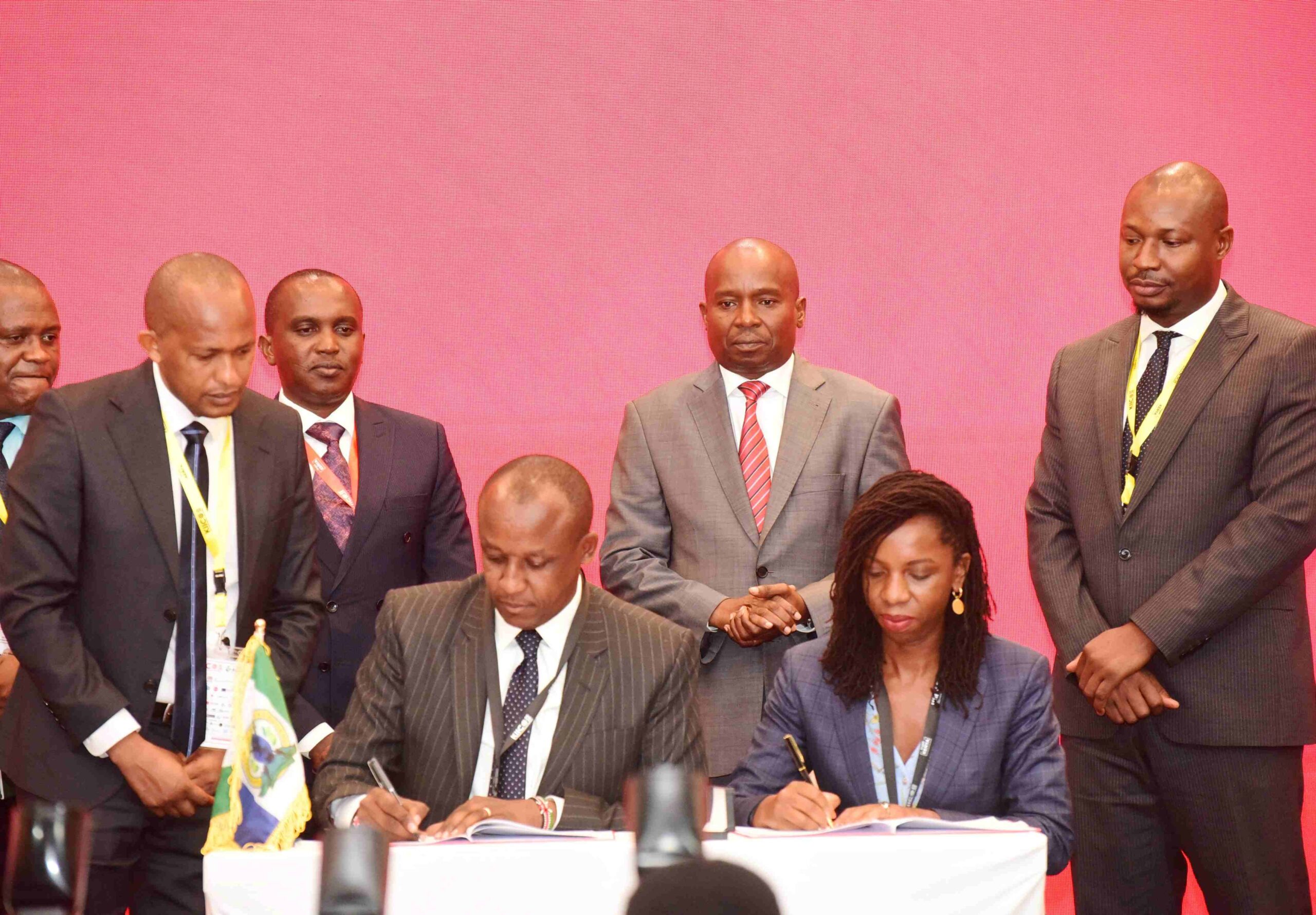
The Modern Energy Cooking Services (MECS) programme has committed $750,000 (KES 97 million) to support three Kenyan clean cooking innovators—Ecobora, PowerUp, and Sun-Power Box—in a move aimed at accelerating the country’s transition to sustainable energy solutions.
The funding will enable the ventures to scale affordable electric cooking (e-cooking) technologies and expand access to clean energy across institutions, schools, and households. The initiative underscores the growing importance of locally driven innovation in addressing Africa’s energy and climate challenges.
“Investing in the innovators at the forefront of electric cooking is one of the most impactful ways to drive the adoption of clean cooking,” said Nyamolo Abagi, Director of Clean Energy Access at CLASP and a member of the MECS Investment Committee. “Clean cooking is at a tipping point; let’s seize this moment to build a future where Africans can have cleaner, healthier, economically empowered lives.”
Ecobora, PowerUp, and Sun-Power Box have established themselves as key players in Kenya’s clean energy ecosystem, developing cost-effective, locally manufactured electric cooking solutions. Their technologies have already been deployed in institutions and schools, demonstrating both affordability and scalability.
The investment comes at a critical time. Approximately 37 million Kenyans—and over 600 million people across sub-Saharan Africa—still rely on biomass fuels such as wood and charcoal for cooking. This reliance contributes to deforestation, health risks from indoor air pollution, and significant economic strain on households.
While e-cooking presents a viable pathway toward cleaner energy use, early-stage ventures often face significant barriers in accessing growth capital. MECS’ funding aims to bridge this gap by supporting research, product testing, and validation—key steps needed to attract further investment and scale operations.
Beyond immediate funding, the initiative reflects a broader shift in how clean cooking solutions are financed. By de-risking early-stage innovation, MECS is helping unlock larger pools of capital and encouraging wider participation from investors and development partners.
The investment also builds on recent momentum in the sector, including partnerships such as the collaboration between the Government of Makueni County and CLASP to accelerate the adoption of clean cooking solutions in public institutions.
As governments across Africa face increasing pressure to meet climate, energy access, and public health targets, the clean cooking sector is emerging as a critical area for scalable impact. MECS’ latest investment signals growing confidence in the sector’s potential—but stakeholders agree that more capital, partnerships, and innovative financing models will be needed to fully realize it.
MECS has called on impact investors, development finance institutions, and technology partners to engage with these ventures and support the expansion of clean cooking solutions across the continent.
 has committed $750K (KES 97M) into 3 Kenyan clean cooking innovators—Ecobora, PowerUp & Sun-Power Box)